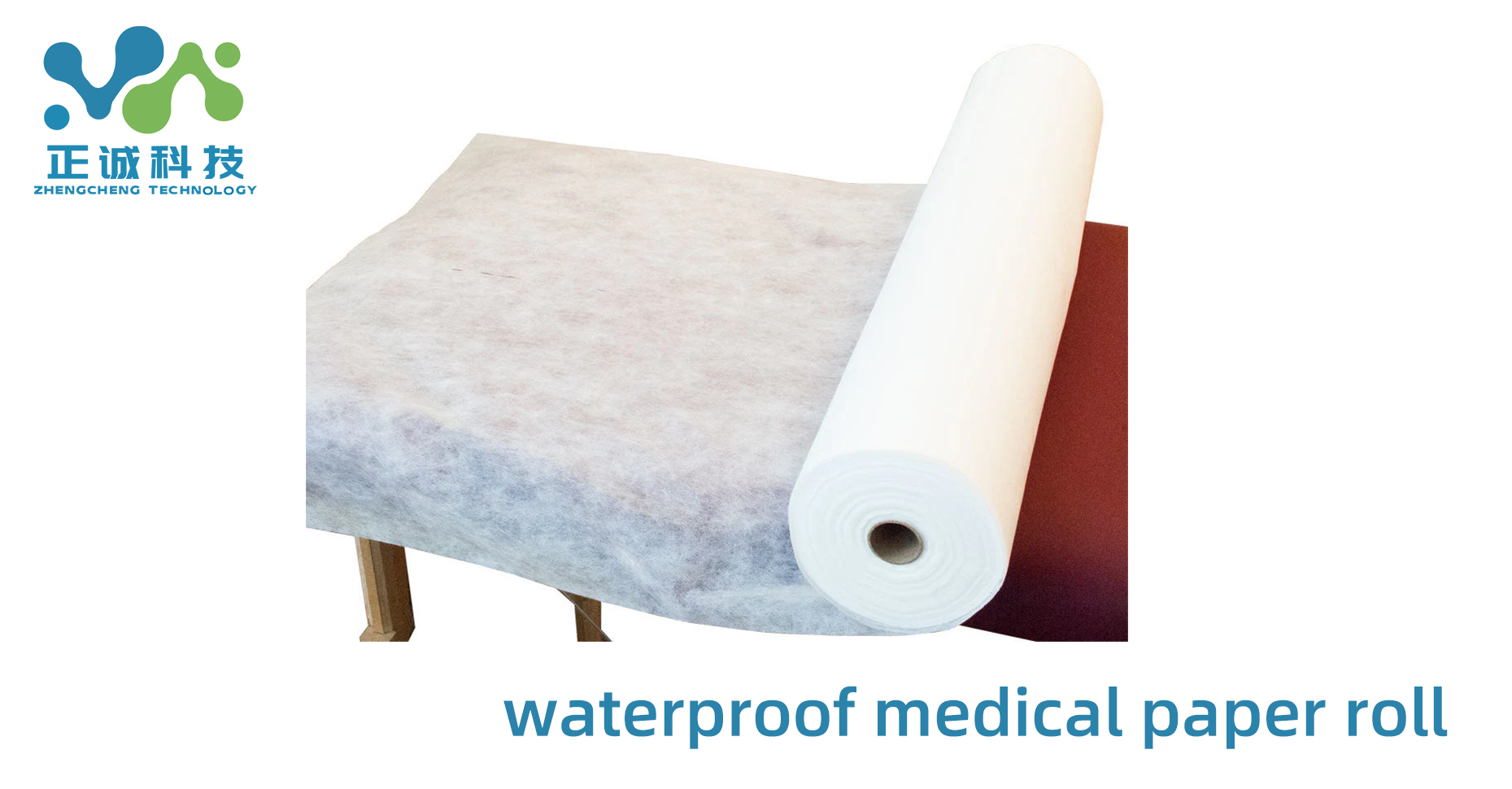
Tattoo Bed Cover Roll Buying Guide: Protecting Your Studio and Clients
For tattoo artists, maintaining a sterile environment is not just a best practice—it's a legal and ethical requirement. In the tattoo industry, every surface a client touches must be protected from blood and bodily fluids to prevent cross-contamination and ensure client safety. A tattoo bed cover roll is the primary tool for achieving this critical level of hygiene, but not all rolls are created equal.
This comprehensive guide will help you choose the right product for your studio, understand the importance of proper specifications, and implement effective infection control protocols.
The Non-Negotiable: PE Coating for Maximum Protection
The single most important feature of a tattoo bed cover roll is that it must be PE-coated. This isn't just a preference—it's a necessity for professional tattoo studios.
What is PE Coating?
PE coating refers to a thin layer of Polyethylene plastic that is laminated to the paper substrate. This advanced manufacturing process creates a dual-layer material that combines the absorbency of paper with the waterproof properties of plastic.
Why is PE Coating Essential?
During a tattoo session, the presence of blood and plasma is inevitable. A high-quality PE coated tattoo paper creates an impermeable barrier that prevents these fluids from soaking through and contaminating the tattoo chair or bed. Standard paper rolls simply cannot provide this level of protection and should never be used in professional tattoo settings.
The consequences of using inadequate protection can be severe, including:
- Cross-contamination between clients
- Damage to expensive tattoo equipment
- Violation of health department regulations
- Potential legal liabilities
Key Factors to Consider When Choosing a Tattoo Bed Cover Roll
When sourcing a disposable tattoo bed cover, it's crucial to pay attention to several key specifications to ensure you're getting a product that meets professional standards.
Width and Length Specifications
Width Considerations:
- Ensure the roll is wide enough to cover your specific tattoo bed or chair
- Standard widths are typically 50cm or 60cm, but custom sizes are available
- Consider the widest part of your equipment to ensure complete coverage
Length Options:
- Longer rolls (e.g., 100 meters) mean fewer changes and improved workflow efficiency
- Consider your studio's client volume when selecting roll length
- Bulk purchasing can provide cost savings for high-volume studios
Ply and Strength Requirements
Material Durability:
- Look for 2-ply or higher rolls for maximum strength
- The material needs to resist tearing when clients sit or lie on it
- Wet strength is particularly important during tattoo sessions
Performance Testing:
- Tensile strength testing to ensure durability
- Tear resistance verification
- Wet strength assessment for fluid exposure
Dispenser Compatibility and Ease of Use
Workflow Integration:
- Make sure the roll fits your existing dispenser for easy, one-handed tearing
- Consider wall-mounted vs. tabletop dispenser options
- Evaluate the ease of roll replacement during busy periods
User Experience:
- Smooth dispensing mechanism
- Clean tearing without jagged edges
- Appropriate tension control
Implementing an Effective Hygiene Workflow
The proper use of a tattoo bed cover roll is a critical component of your infection control protocol. Establishing a consistent workflow ensures maximum protection for both clients and your studio equipment.
Pre-Session Preparation
Surface Coverage:
- Cover all contact surfaces, including the headrest, armrests, and main bed area
- Ensure complete coverage without gaps or exposed areas
- Use multiple sheets if necessary for complex equipment
Quality Check:
- Inspect the cover for any defects or tears
- Verify proper adhesion to surfaces
- Ensure easy access for removal after the session
Post-Session Procedures
Immediate Disposal:
- Remove and dispose of the used cover immediately after each session
- Use proper biohazard disposal procedures for contaminated materials
- Never reuse any part of the cover
Surface Cleaning:
- Clean underlying surfaces with appropriate disinfectants
- Verify complete removal of all contaminants
- Prepare fresh cover for the next client
The Importance of Compliance and Professional Standards
Choosing the right tattoo bed cover roll goes beyond just product selection—it's about maintaining professional standards and ensuring compliance with health regulations.
Regulatory Requirements
Health Department Standards:
- Many jurisdictions have specific requirements for single-use barriers
- PE-coated materials are often explicitly required
- Documentation of compliance may be necessary
Industry Best Practices:
- Following guidelines from professional tattoo organizations
- Implementing evidence-based infection control protocols
- Maintaining records of product specifications and usage
Protecting Your Studio's Reputation
Client Confidence:
- Visible use of high-quality disposable covers builds trust
- Demonstrates your commitment to safety and hygiene
- Differentiates your studio from less professional competitors
Risk Management:
- Reduces the risk of legal issues related to infection control
- Protects your investment in expensive tattoo equipment
- Maintains your professional reputation in the industry
Conclusion: Investing in Professional-Grade Protection
Choosing the right tattoo bed cover roll is a fundamental aspect of running a professional, safe, and compliant tattoo studio. By selecting a high-quality, PE-coated roll, you're not just protecting your equipment—you're safeguarding your clients, your reputation, and your business.
Remember these key takeaways:
- PE coating is non-negotiable for effective fluid barrier protection
- Durability and strength are essential for reliable performance
- Proper workflow integration ensures consistent hygiene practices
- Compliance with regulations protects your business and clients
As a professional tattoo artist, your commitment to safety and hygiene should be reflected in every aspect of your studio, starting with the essential tattoo bed cover roll you use for each client. Invest in quality, prioritize safety, and maintain the highest standards of professionalism in your practice.
SPA Bed Paper Roll Applications: A Complete Hygiene Solution
Disposable Sheets for Beauty Salons: Elevating Hygiene and Client Trust