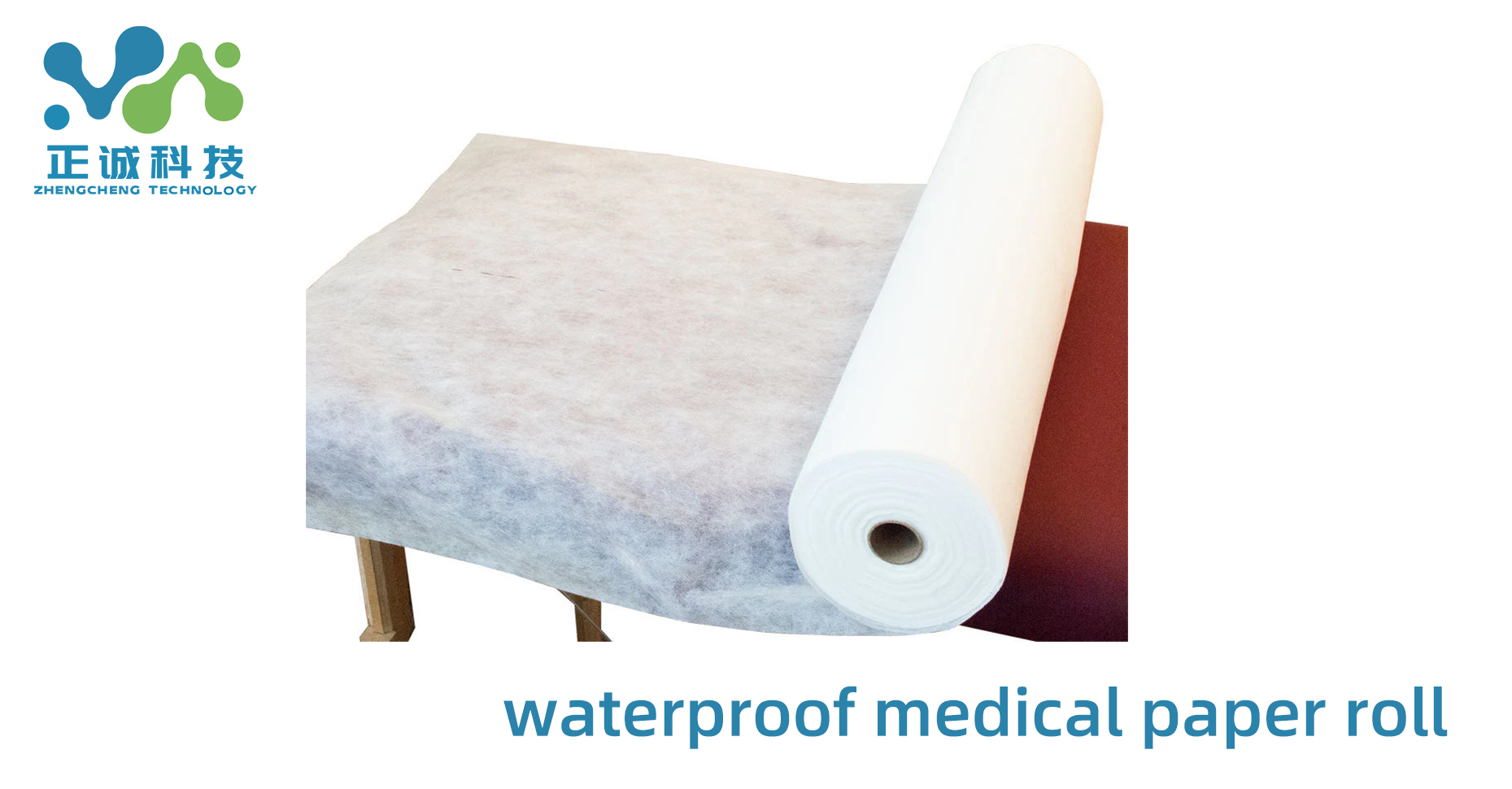
How to Choose Medical Bed Roll GSM: A Technical Guide
When sourcing medical bed rolls for your healthcare facility, one of the most critical technical specifications you'll encounter is GSM (Grams per Square Meter). This seemingly simple metric plays a crucial role in determining the performance, durability, and overall effectiveness of your disposable bed coverings. This comprehensive guide will help you understand medical bed roll GSM and make the best choice for your specific clinical needs.
Understanding GSM: The Foundation of Quality
What is GSM?
GSM stands for "Grams per Square Meter" - the standard metric used to measure the density and weight of paper and non-woven fabrics. In practical terms, a higher GSM indicates a thicker, heavier, and generally more durable material. This measurement is essential when evaluating disposable bed roll weight for medical applications.
Why GSM Matters in Medical Settings
The GSM of a medical bed roll directly correlates to its performance characteristics in several critical areas:
Durability and Tear Resistance
- Low GSM rolls (30-40 gsm): Thinner material more prone to tearing during patient movement
- Medium GSM rolls (40-50 gsm): Balanced strength for general use
- High GSM rolls (50-60+ gsm): Superior tear resistance for high-stress environments
Absorbency and Fluid Protection
Thicker materials with higher GSM can absorb more fluid, making them essential for procedures involving liquids. When combined with PE coating, high GSM rolls provide excellent protection against "strike-through" - a critical factor in preventing surface contamination.
Patient Comfort and Perception
Higher GSM rolls often feel more substantial and softer, contributing to an improved patient experience. The weight and texture of the material can significantly impact patient perception of care quality.
Comprehensive Application Guide
Choosing the Right GSM for Your Specific Needs
Here's a detailed reference guide to help you select the appropriate medical bed roll GSM based on your facility's requirements:
30-40 GSM (Light-Duty Applications)
- Ideal For: Low-risk environments with minimal fluid exposure
- Recommended Uses:
- Waiting room seating covers
- Basic patient transport
- Short-duration examinations
- Low-traffic clinics
- Benefits: Cost-effective, sufficient for minimal use
- Limitations: Lower tear resistance, limited absorbency
40-50 GSM (Standard-Duty Applications)
- Ideal For: General practice and moderate-use environments
- Recommended Uses:
- General practice clinics
- Physiotherapy and chiropractic offices
- Routine examinations
- Medium-traffic facilities
- Benefits: Good balance of cost, comfort, and strength
- Performance: Adequate for most standard medical procedures
50-60+ GSM (Heavy-Duty Applications)
- Ideal For: High-risk environments requiring maximum protection
- Recommended Uses:
- Dental clinics and surgical rooms
- Hospitals and emergency departments
- Procedure rooms and labor wards
- High-traffic medical facilities
- Benefits: Superior fluid protection, excellent tear resistance
- Critical Features: Essential for infection control protocols
Technical Considerations for Optimal Performance
Material Composition and GSM
When evaluating examination table paper gsm, consider the material composition:
Standard Paper Rolls
- Typically available in 30-50 GSM range
- Suitable for basic absorbency needs
- Cost-effective for general use
PE-Coated Rolls
- Often 45-60 GSM with waterproof protection
- Ideal for high-fluid procedures
- Prevents strike-through contamination
Non-Woven Fabric
- Generally 50+ GSM for maximum durability
- Offers superior strength-to-weight ratio
- Preferred for high-stress applications
Cost-Benefit Analysis
While higher GSM rolls typically cost more, they often provide better value through:
- Reduced waste from torn or compromised coverings
- Lower infection control risks
- Improved patient satisfaction
- Extended product life per roll
Industry Standards and Best Practices
Regulatory Considerations
When selecting medical bed roll GSM, keep in mind:
Infection Control Guidelines
- Follow CDC recommendations for surface barriers
- Ensure adequate protection for high-touch surfaces
- Consider facility-specific infection control protocols
Waste Management
- Balance single-use requirements with environmental considerations
- Evaluate recycling options for different materials
- Consider compostable alternatives where available
Future Trends in Medical Bed Roll Technology
Innovations on the Horizon
Smart Materials
- Embedded sensors for fluid detection
- Color-changing indicators for contamination
- Advanced antimicrobial properties
Sustainable Solutions
- Biodegradable materials with high performance
- Recyclable composites maintaining barrier properties
- Reduced material usage through advanced engineering
Making the Right Choice for Your Facility
Decision-Making Framework
When choosing the appropriate medical bed roll GSM, consider these factors:
Patient Population
- High-risk vs. low-risk patient groups
- Expected fluid volumes
- Mobility levels and potential for tearing
Facility Requirements
- Infection control standards
- Budget constraints
- Environmental policies
Operational Needs
- Workflow efficiency
- Staff preferences
- Patient comfort expectations
Conclusion: Investing in Quality and Safety
Understanding medical bed roll GSM is fundamental to making informed purchasing decisions that balance cost, performance, and patient safety. By carefully matching the GSM to your specific clinical requirements, you can ensure:
- Optimal performance in your operational environment
- Enhanced patient safety and comfort
- Cost-effective use of resources
- Compliance with infection control standards
As healthcare continues to evolve, the importance of selecting the right disposable bed roll specifications will only grow. By staying informed about disposable bed roll weight considerations and industry best practices, you can make choices that support excellent patient care while maintaining operational efficiency.
Remember, the right examination table paper gsm isn't just about meeting basic requirements - it's about investing in quality, safety, and the overall patient experience in your healthcare facility.
Waterproof Medical Paper Roll Explained: The PE Coating Advantage
Best Materials for Examination Table Covers: A 2026 Comparison