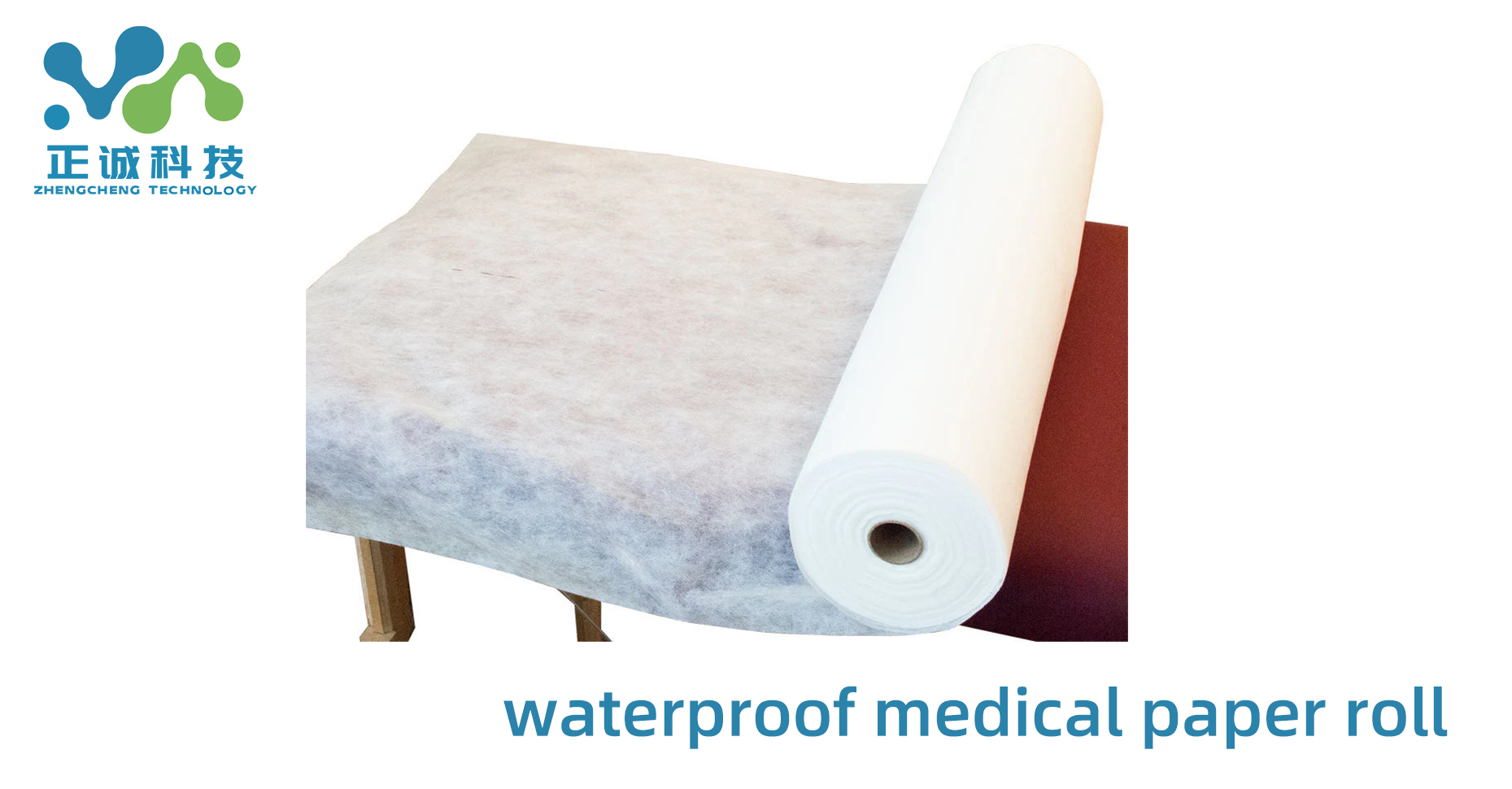
Best Materials for Examination Table Covers: A 2026 Comparison
Selecting the right cover for your examination table is one of the most critical decisions impacting patient care, hygiene standards, and operational efficiency. With advancements in medical materials technology, healthcare providers now have several sophisticated options to choose from. This comprehensive guide compares the three most common examination table cover material choices to help you make an informed decision that balances clinical requirements, patient comfort, and cost-effectiveness.
1. Paper Rolls: The Cost-Effective Standard Solution
Paper remains the most widely used material for general medical examinations, offering a practical solution for many clinical settings.
Key Advantages of Paper Rolls
Affordability and Cost Efficiency
- Budget-friendly option ideal for high-volume clinics and hospitals
- Lower per-unit cost compared to alternative materials
- Cost-effective solution for facilities with limited budgets
Absorbency and Hygiene
- High-quality wood pulp paper effectively absorbs minor moisture like sweat
- Provides a clean, disposable surface for each patient
- Reduces cross-contamination risks in general practice
Versatility and Availability
- Available in various lengths, widths, and GSM options
- Compatible with standard examination tables of all sizes
- Easy to store and handle in busy clinical environments
Limitations to Consider
Durability Concerns
- Standard paper can tear easily, especially when wet or under patient weight
- Less resistant to punctures compared to advanced materials
- May require additional layers for heavy-duty applications
Comfort Factors
- Can feel crisp and less comfortable than fabric-like alternatives
- May create noise during patient movement
- Limited softness compared to non-woven options
2. Non-Woven Fabric: The Premium Comfort Choice
For applications where patient comfort and tactile experience are paramount, non-woven fabric emerges as the superior choice.
Benefits of Non-Woven Fabric Covers
Exceptional Patient Comfort
- Cloth-like texture that is gentle on the skin
- Enhanced patient experience during prolonged examinations
- Reduced skin irritation for sensitive patients
Superior Strength and Durability
- Highly resistant to tearing and puncturing
- Maintains integrity during patient movement and positioning
- Longer lifespan compared to standard paper materials
Breathability and Skin-Friendly Properties
- Allows air to pass through, preventing patient discomfort
- Reduces heat buildup during extended procedures
- Ideal for dermatological and aesthetic applications
Considerations and Limitations
Cost Implications
- Generally more expensive than standard paper rolls
- Higher initial investment for facilities on tight budgets
- Requires cost-benefit analysis for different applications
Fluid Protection Limitations
- While absorbent, standard non-woven is not inherently waterproof
- May require additional barriers for fluid-intensive procedures
- Limited protection against strike-through contamination
3. PE-Coated Paper: The Ultimate Barrier Protection
PE (Polyethylene) coated paper combines the best qualities of paper with an advanced waterproof layer, making it ideal for procedures involving significant fluid exposure.
Key Advantages of PE-Coated Paper
Superior Fluid Protection
- The PE film creates an impenetrable barrier against liquids
- Prevents blood, bodily fluids, and disinfectants from soaking through
- Provides the highest level of protection against cross-contamination
Enhanced Durability
- Plastic layer significantly increases tear resistance
- Withstands patient movement and positioning without tearing
- Maintains integrity during fluid-intensive procedures
Hygiene and Infection Control
- Meets stringent infection control protocols for high-risk environments
- Ideal for surgical and post-operative care settings
- Reduces contamination risks for underlying surfaces
Limitations to Consider
Comfort and Sensory Factors
- Less soft than non-woven fabric options
- May feel less natural to the touch
- Potential noise during patient movement
Environmental and Disposal Considerations
- While recyclable in some streams, requires specific disposal methods
- Plastic component impacts environmental footprint
- Facilities must have appropriate waste management systems
Comprehensive Comparison and Application Guide
Detailed Feature Comparison
|
Feature |
Paper Rolls |
Non-Woven Fabric |
PE-Coated Paper |
|
Cost |
Low |
Medium |
Medium-High |
|
Comfort |
Moderate |
High |
Moderate |
|
Fluid Protection |
Low |
Moderate |
High |
|
Durability |
Moderate |
High |
High |
|
Best Applications |
General Exams |
Physiotherapy, Spas |
Dental, Minor Surgery |
Application-Specific Recommendations
General Practice Clinics
- Ideal Material: Standard paper rolls
- GSM Range: 40-50 GSM
- Key Benefits: Cost-effective, sufficient for routine examinations, easy disposal
Specialty Care and Patient Comfort Focus
- Ideal Material: Non-woven fabric
- GSM Range: 50-60+ GSM
- Key Benefits: Superior comfort, enhanced patient experience, good durability
High-Risk and Fluid-Intensive Environments
- Ideal Material: PE-coated paper
- GSM Range: 50-60+ GSM with appropriate coating
- Key Benefits: Maximum fluid protection, infection control compliance, durability
Making the Right Choice for Your Facility
Decision-Making Framework
When selecting the optimal examination table cover material, consider these key factors:
Clinical Requirements Assessment
- Evaluate the types of procedures performed
- Assess fluid exposure risks and volumes
- Consider patient mobility and positioning needs
Budget and Cost Analysis
- Calculate total cost of ownership
- Consider waste reduction and efficiency gains
- Balance initial investment with long-term benefits
Patient Experience Priorities
- Determine comfort requirements for different patient populations
- Consider sensory preferences and skin sensitivities
- Evaluate the impact on patient satisfaction scores
Future Trends and Innovations
As medical technology continues to advance, we can expect further innovations in examination table cover material:
Sustainable Solutions
- Biodegradable and compostable materials
- Recyclable multi-layer constructions
- Eco-friendly manufacturing processes
Smart Materials
- Antimicrobial coatings for enhanced infection control
- Fluid-detection technologies
- Temperature-responsive materials
Customization Options
- Tailored materials for specific medical specialties
- Branding and patient education integration
- Enhanced tactile and sensory properties
Conclusion: Finding Your Perfect Balance
There is no single "best" examination table cover material that fits all clinical needs. The optimal choice depends on a careful balance of your specific requirements, including:
- Clinical environment and procedure types
- Budget constraints and cost-effectiveness considerations
- Patient comfort priorities and experience expectations
- Infection control standards and regulatory requirements
By thoroughly evaluating these factors and understanding the unique benefits of paper, non-woven, and PE-coated options, you can make a confident decision that enhances patient care, maintains hygiene standards, and optimizes operational efficiency in your medical facility.
As healthcare continues to evolve, staying informed about material advancements and emerging technologies will be key to maintaining high standards of care and patient satisfaction in the modern medical environment.
How to Choose Medical Bed Roll GSM: A Technical Guide
Why Disposable Medical Consumables Matter