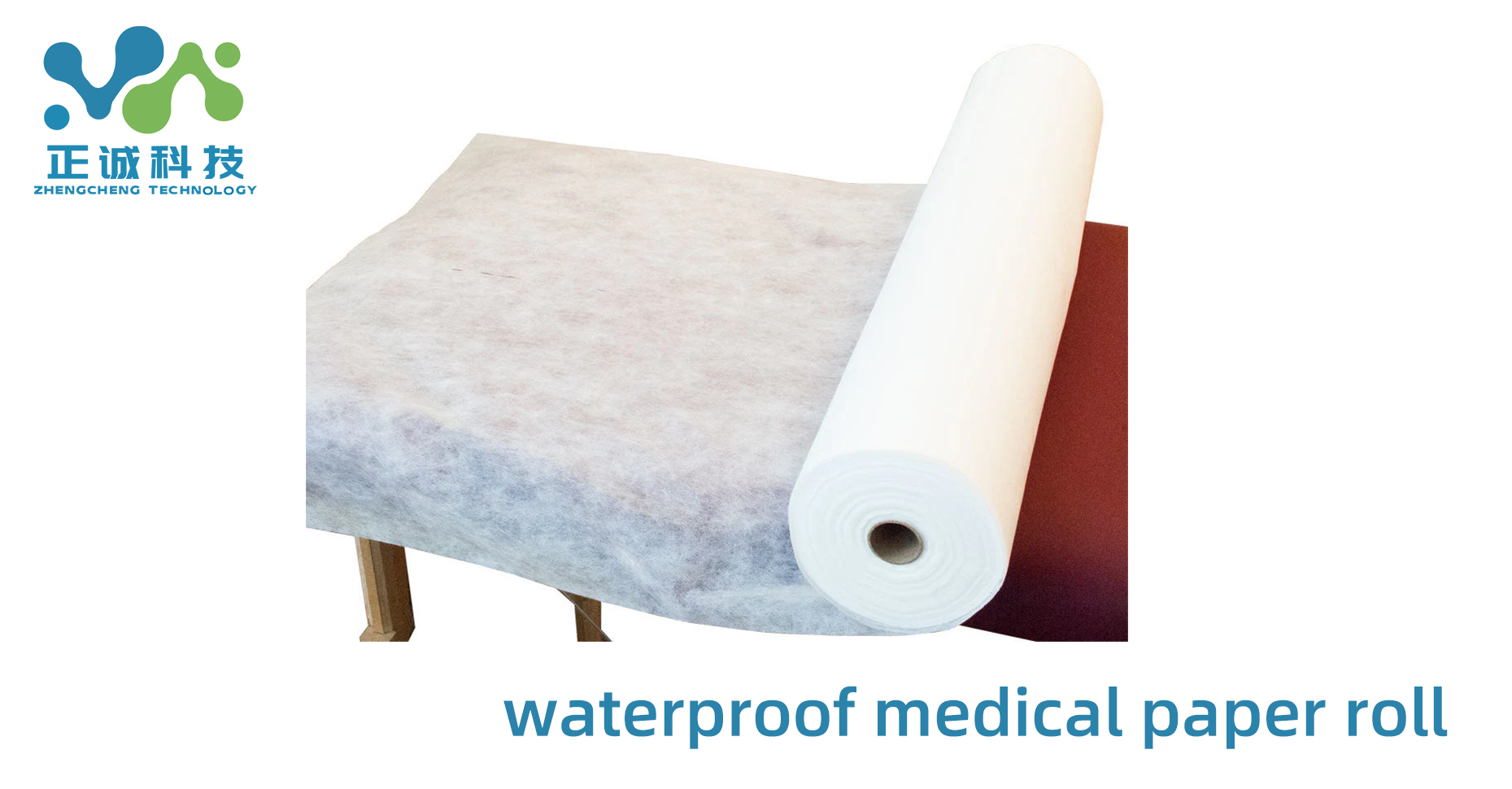
What Is a Nonwoven Fabric Roll?
When you touch a medical gown or a face mask, it feels like fabric, but it doesn't fray like a t-shirt. This unique material you're experiencing is likely a nonwoven fabric roll - an engineered material that bridges the gap between traditional textiles and disposable products.
Unlike conventional fabrics that are woven or knitted from yarns, nonwoven fabrics are created directly from fibers, offering a perfect balance of performance, cost-effectiveness, and convenience.
The Manufacturing Process: Engineering Innovation
A nonwoven fabric roll is produced through an advanced process that bonds fibers together using chemical, mechanical, thermal, or solvent treatments. This innovative approach eliminates the need for traditional spinning and weaving stages, making production significantly faster and more cost-effective.
The process begins with raw fibers - typically polypropylene, polyester, or cellulose - which are then:
- Opened and blended for uniformity
- Carded to align fibers
- Bonded using one of several methods
- Rolled into continuous sheets
This direct-from-fiber manufacturing process allows for precise control over material properties, resulting in consistent quality and performance.
Key Types of Nonwoven Fabrics
In the medical and hygiene industry, three primary types of nonwovens dominate the market, each with specialized properties:
1. SMS (Spunbond Meltblown Spunbond)
This advanced three-layer composite structure offers exceptional performance:
- Outer Layers: Spunbond for strength and durability
- Middle Layer: Meltblown for superior filtration
- Key Benefits: Excellent bacterial filtration efficiency, fluid resistance, and mechanical strength
Primary Applications: Surgical gowns, isolation gowns, surgical drapes, and high-performance medical barriers.
2. Spunlace Nonwovens
Created through a sophisticated process using high-pressure water jets:
- Manufacturing: Fibers are entangled using water pressure
- Texture: Exceptionally soft with a cloth-like feel
- Properties: Highly absorbent, lint-free, and gentle on skin
Ideal Uses: Facial wipes, wet towels, beauty salon disposable sheets, and premium bed sheets where comfort is paramount.
3. PP (Polypropylene) Spunbond
A versatile and cost-effective solution:
- Structure: Continuous filament construction
- Characteristics: Lightweight yet durable, with good tensile strength
- Cost Advantage: Economical production with consistent quality
Common Applications: Shopping bags, protective covers, disposable aprons, and general-purpose hygiene products.
Why Nonwoven Rolls Are Transforming Industries
Breathability and Comfort
Unlike traditional plastic materials, nonwoven fabric rolls allow air to circulate freely. This breathability makes them exceptionally comfortable for extended wear in medical settings and daily use applications.
Superior Softness
Advanced spunlace technology produces fabrics that feel remarkably similar to natural cotton cloth. This softness is particularly important in applications involving direct skin contact, such as beauty salon disposable sheets and patient gowns.
Effective Barrier Protection
SMS nonwovens provide a critical balance of protection and comfort:
- Bacterial Filtration: Blocks microorganisms while maintaining breathability
- Fluid Resistance: Prevents liquid penetration without compromising comfort
- Particulate Containment: Effective barrier against dust and contaminants
Diverse Applications Across Industries
Medical and Healthcare
The medical sector represents the largest application area for nonwoven technology:
Surgical Packs: Comprehensive kits containing gowns, drapes, and instrument covers
Isolation Gowns: Protective apparel for infection control
Caps and Shoe Covers: Complete head-to-toe protection
Wound Dressings: Advanced materials for medical care
Beauty and Wellness
The beauty industry has embraced nonwovens for their combination of luxury feel and hygiene:
Disposable Towels: Hygienic alternatives to traditional linens
Spa Robes: Premium comfort with single-use convenience
Facial Bed Covers: Soft, absorbent surfaces for facial treatments
Makeup Remover Pads: Gentle on skin while effective for cleansing
Home and Consumer Products
Nonwovens have found their way into everyday household items:
Tablecloths: Disposable elegance for events and daily use
Bed Sheets: Convenient alternatives to traditional linens
Dust Covers: Protective sheets for furniture and equipment
Cleaning Wipes: Effective for surface cleaning and disinfection
Environmental Considerations and Sustainability
As environmental awareness grows, the nonwoven industry is responding with innovative solutions:
Biodegradable Options: Materials designed to break down naturally
Recyclable Components: Products incorporating recyclable elements
Sustainable Sourcing: Responsible raw material selection
Waste Reduction: Efficient production processes minimizing material waste
The Future of Nonwoven Technology
The nonwoven fabric industry continues to innovate with exciting developments:
Smart Materials: Fabrics with integrated sensors and monitoring capabilities
Antimicrobial Treatments: Enhanced protection against pathogens
Customizable Properties: Materials engineered for specific performance requirements
Eco-Friendly Innovations: Greener production methods and materials
Conclusion: The Perfect Balance of Performance and Convenience
A nonwoven fabric roll represents a remarkable engineering achievement - a material that offers the softness and comfort of traditional fabric with the convenience, hygiene, and cost-effectiveness of disposable products.
From life-saving medical applications to everyday consumer products, nonwovens have revolutionized multiple industries by providing solutions that balance performance, safety, and economic considerations.
As technology continues to advance, we can expect even more innovative applications for this versatile material, further expanding its role in creating safer, more efficient, and more comfortable products for both professional and personal use.
The future of nonwoven fabrics is bright, with ongoing research and development promising even more sustainable, high-performance materials that will continue to transform industries and improve lives around the world.
Paper Roll vs Nonwoven Roll for Medical Use
Why Hospitals Use Disposable Examination Rolls for Safety