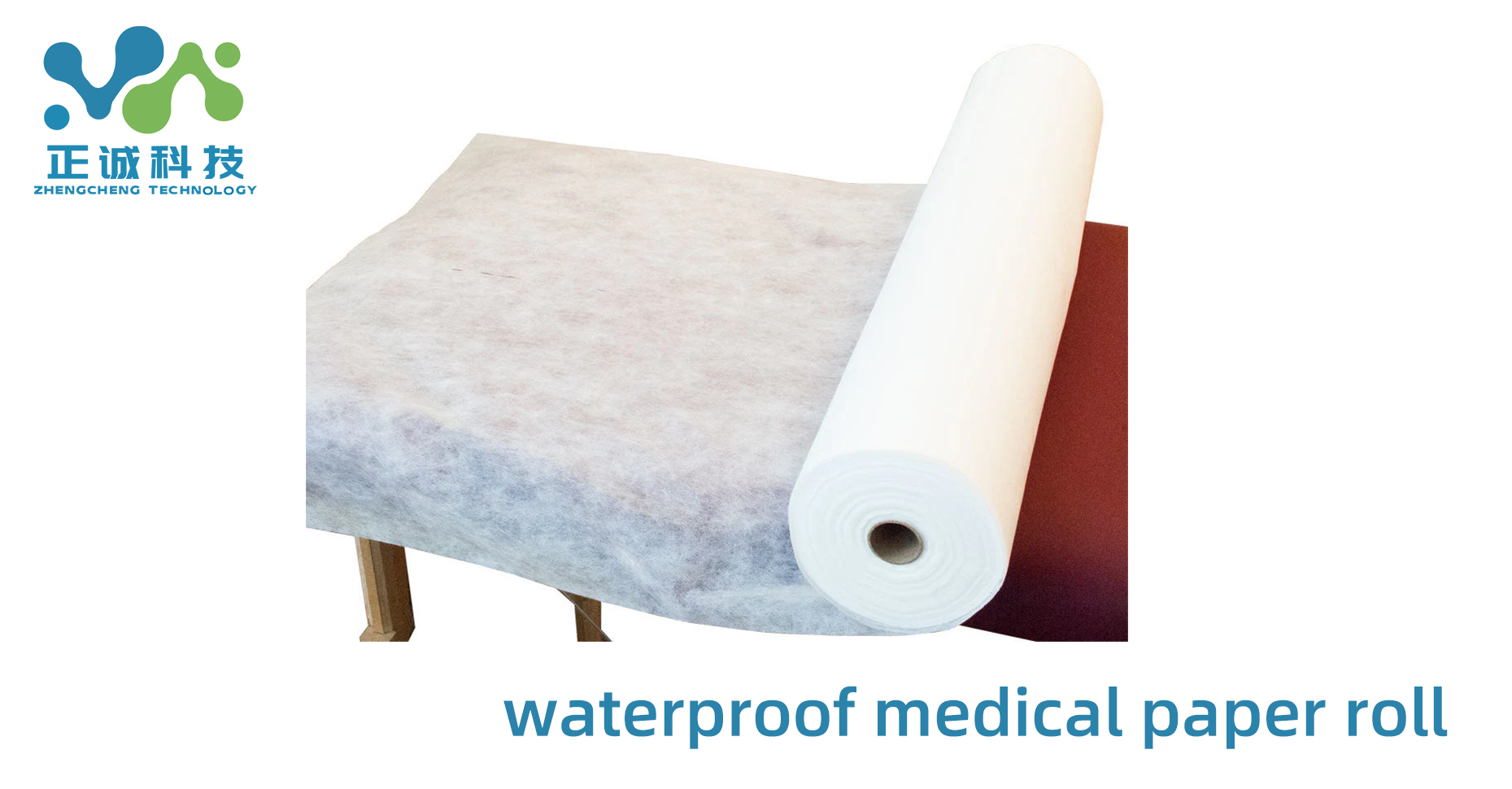
Medical Paper Roll Sizes Explained: A Buyer's Guide
Choosing the Perfect Fit: A Comprehensive Guide to Medical Paper Roll Sizes
When it comes to equipping your medical facility with disposable paper products, one thing is certain: "one size fits all" simply doesn't apply to medical paper roll sizes. Selecting the wrong dimensions can lead to significant material waste, inadequate patient coverage, and compromised infection control standards. This comprehensive guide will help you make informed decisions about the perfect medical paper roll sizes for your specific healthcare needs.
The Critical Importance of Proper Sizing
In medical environments, precision matters. The right medical paper roll sizes ensure:
- Optimal patient coverage and comfort
- Effective infection control barriers
- Minimized material waste and cost savings
- Streamlined workflow for medical staff
Understanding the Key Dimensions
1. Width: The Most Crucial Measurement
The width of your medical paper roll sizes must perfectly match your examination tables, beds, and specialized equipment. This dimension determines whether the paper provides adequate coverage and proper draping.
Standard Width Options:
50 cm (approximately 20 inches): The global standard for most examination tables and dental chairs. This width provides sufficient coverage for standard medical tables while minimizing excess material.
55-60 cm: Designed for wider beds commonly found in physiotherapy departments, maternity wards, and specialized treatment rooms. These wider rolls ensure complete coverage for larger patient surfaces.
Custom Widths: For specialized industrial equipment, veterinary tables, or unique medical devices, custom widths ensure a perfect fit every time.
Pro Tip: Always measure your table width before ordering. The ideal medical paper roll sizes should be wide enough to drape slightly over the edges (typically 5-10 cm on each side) for optimal coverage and patient comfort.
2. Length: Maximizing Efficiency and Minimizing Downtime
The length of your roll directly impacts how often your staff needs to change rolls, affecting workflow efficiency.
Standard Length Ranges:
- 70-100 meters (approximately 230-328 feet): This is the typical range for most medical paper rolls, balancing storage requirements with usage duration.
Perforated Roll Considerations:
For facilities using perforated rolls, length is often measured in sheet count:
- 400 sheets per roll: A common standard that provides consistent sheet size and easy dispensing
- Variable sheet counts: Available to meet specific workflow needs and dispensing system requirements
Length Selection Guide:
- High-traffic clinics: Opt for longer rolls (90-100 meters) to minimize frequent changes
- Specialty departments: Choose based on average patient volume and procedure duration
- Storage constraints: Consider shorter rolls if space is limited
3. GSM: The Quality and Performance Indicator
GSM (Grams per Square Meter) is the scientific measure of paper density that determines the quality, strength, and suitability of medical paper roll sizes.
GSM Categories and Applications:
Low GSM (30-40 gsm): Lightweight paper ideal for:
- Dry environments like waiting rooms
- Basic covering applications
- Low-cost, high-volume settings
- Short-duration patient interactions
Medium GSM (45-55 gsm): The industry standard for medical paper roll sizes that offers:
- Perfect balance of softness and strength
- Suitable for most examination and treatment rooms
- Cost-effective performance for general medical use
- Adequate durability for standard procedures
High GSM (60+ gsm): Heavy-duty paper designed for:
- Surgical drapes and high-risk environments
- Situations requiring maximum durability
- Procedures involving significant fluid exposure
- High-traffic areas needing extra tear resistance
Application-Specific Sizing Recommendations
General Examination Rooms
Recommended: 50 cm width, 45-55 gsm, 80-100 meter length
Why: Provides optimal coverage for standard examination tables with balanced cost and performance.
Dental Clinics
Recommended: 50 cm width, 40-50 gsm, 70-80 meter length
Why: Matches standard dental chair dimensions with appropriate fluid resistance.
Surgical and Procedure Rooms
Recommended: 55-60 cm width, 60+ gsm, 80-100 meter length
Why: Ensures complete coverage for larger procedure tables with maximum durability.
Specialized Departments (Physiotherapy, Maternity)
Recommended: 60 cm width, 50-60 gsm, 90-100 meter length
Why: Accommodates wider treatment surfaces and longer procedure durations.
Measuring and Ordering Best Practices
Step-by-Step Measurement Guide
- Measure Table Width: Use a tape measure to determine the exact width of your examination surfaces
- Add Draping Allowance: Add 10-15 cm to your measurement for proper edge coverage
- Consider Height and Angle: Account for adjustable tables and specialized equipment angles
- Document All Equipment: Create a comprehensive list of all surfaces needing coverage
Ordering Checklist
- Verify width compatibility with all equipment types
- Consider GSM requirements based on department needs
- Evaluate length options based on patient volume
- Check compatibility with existing dispensing systems
- Consider bulk ordering for cost savings
Cost Analysis and Waste Reduction Strategies
The True Cost of Improper Sizing
Choosing incorrect medical paper roll sizes can lead to:
Material Waste:
- Excess paper that gets trimmed or discarded
- Rolls that don't fit properly, leading to partial usage
- Increased frequency of roll changes
Operational Inefficiency:
- Staff time wasted on frequent roll changes
- Potential for contamination during improper coverage
- Patient discomfort from inadequate protection
Maximizing Cost-Effectiveness
Right-Sizing Strategy:
- Match roll dimensions precisely to equipment specifications
- Select appropriate GSM for each application
- Consider bulk purchasing for high-volume areas
- Regularly review usage patterns and adjust as needed
Quality Control and Compliance Considerations
Meeting Medical Standards
When selecting medical paper roll sizes, ensure compliance with:
Infection Control Standards:
- Adequate coverage to prevent surface contamination
- Appropriate fluid resistance for specific procedures
- Single-use barrier integrity
Patient Safety Requirements:
- Non-irritating materials for direct patient contact
- Adequate strength to prevent tearing during use
- Proper sizing to avoid patient exposure
Future-Proofing Your Purchasing Decisions
Equipment Changes and Expansion
When planning your medical paper roll sizes purchases:
Consider Future Needs:
- Anticipate equipment upgrades or replacements
- Plan for department expansions
- Maintain consistency across similar departments
Supplier Relationships:
- Establish partnerships with reliable medical supply providers
- Negotiate volume discounts for long-term contracts
- Ensure availability of multiple size options
Conclusion: The Art and Science of Medical Paper Sizing
Understanding medical paper roll sizes is more than just a purchasing decision—it's a critical component of patient care, infection control, and operational efficiency in modern healthcare facilities. By carefully selecting the correct width, length, and GSM for each application, you ensure:
- Patient Comfort and Safety: Proper coverage and protection for every patient interaction
- Infection Control Integrity: Effective barriers against cross-contamination
- Cost Optimization: Minimized waste and maximized value from every roll
- Operational Efficiency: Streamlined workflows and reduced staff burden
The perfect medical paper roll sizes for your facility will depend on your specific equipment, patient volume, and clinical requirements. By following this comprehensive guide and implementing best practices in measurement, selection, and ordering, you can create a system that delivers optimal performance while controlling costs and maintaining the highest standards of patient care.
Remember, in healthcare, the details matter. Taking the time to properly assess and select the right medical paper roll sizes demonstrates your commitment to excellence in every aspect of your medical practice.
Why Hospitals Use Disposable Examination Rolls for Safety
What Is a Laminated Paper Roll?