Why Disposable Medical Consumables Matter
The healthcare industry has undergone a fundamental transformation driven by one pivotal shift: the widespread adoption of single-use products. Disposable medical consumables have evolved from being mere conveniences to becoming absolute essentials in modern medical practice. These products are now recognized as critical components for ensuring patient safety, maintaining sterile environments, and optimizing operational efficiency in healthcare facilities worldwide.
The Paramount Importance of Infection Control
The primary driver behind the universal adoption of disposable medical consumables is the unwavering focus on infection prevention and control. Hospital-acquired infections (HAIs) continue to pose significant challenges to global healthcare systems, affecting millions of patients annually and increasing healthcare costs substantially.
Reaking the Chain of Infection
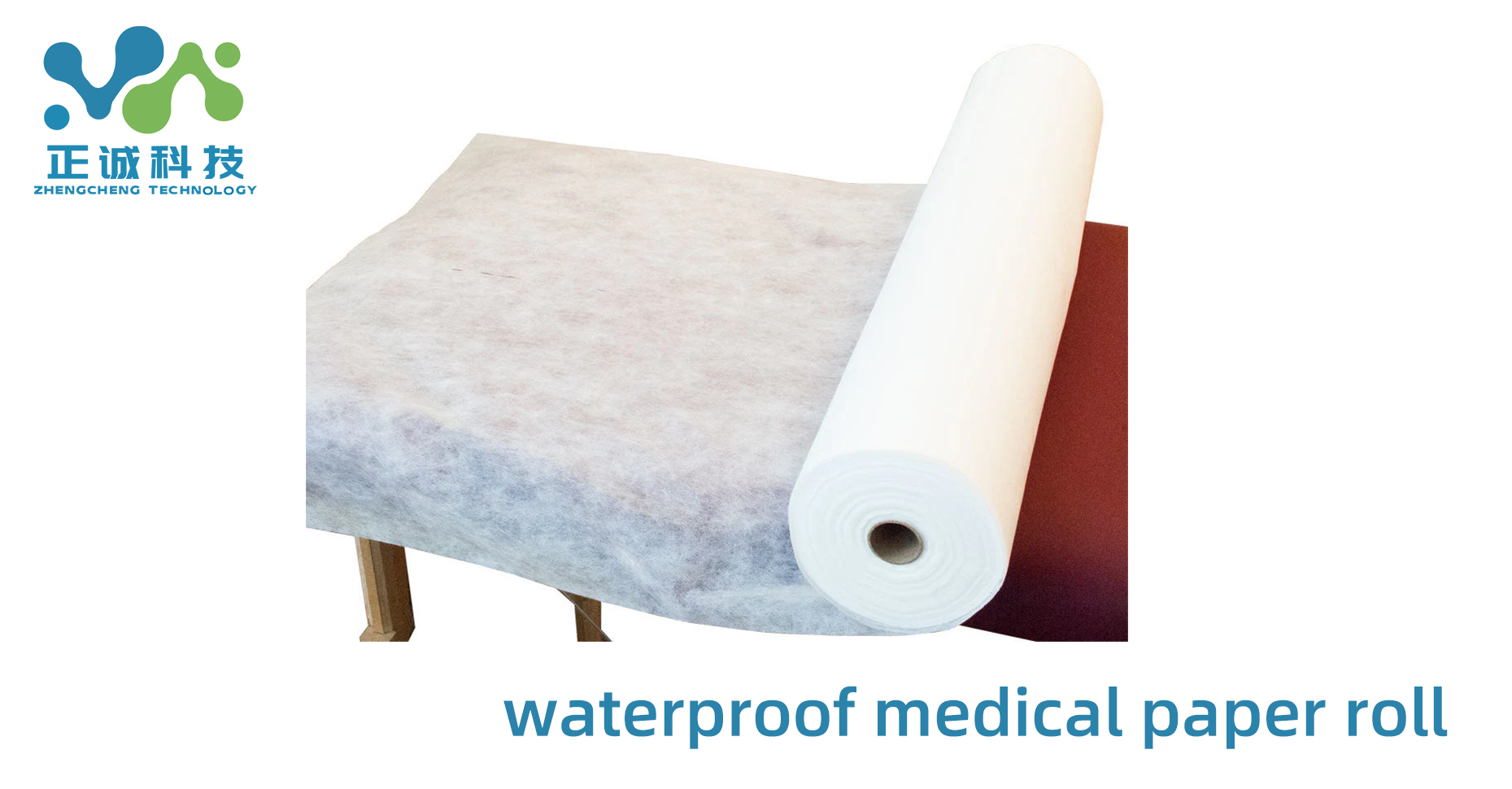
Disposable medical consumables such as examination table covers, surgical drapes, bed sheets, and patient gowns create an absolute barrier against cross-contamination. By using these products once and then disposing of them properly, healthcare facilities can effectively:
- Break the transmission chain of pathogens between patients
- Ensure a sterile environment for every new patient encounter
- Eliminate reservoirs of infection on reusable surfaces
Eliminating Sterilization Risks and Human Error
Even with the most rigorous sterilization protocols, reusable medical textiles and equipment can still harbor pathogens. Single use medical products completely remove this risk by:
- Eliminating human error in the cleaning and sterilization process
- Removing variability in disinfection effectiveness
- Providing consistent quality with every new product
This is particularly critical in high-risk environments such as operating rooms, intensive care units, and isolation wards where patient immune systems may be compromised.
Operational Efficiency and Cost-Effectiveness
Beyond the critical aspect of infection control, disposable medical consumables offer substantial operational advantages that contribute to the overall efficiency and cost-effectiveness of healthcare delivery.
Significant Reduction in Labor Costs
Healthcare facilities that transition to disposable products experience dramatic reductions in labor expenses associated with:
- Collection and sorting of soiled linens and textiles
- Transportation of laundry to and from industrial cleaning facilities
- Quality control of cleaned items
- Inventory management of reusable supplies
Lower Utility and Maintenance Expenses
The adoption of infection control medical supplies leads to substantial savings in utility costs:
- Water conservation: Eliminating the massive water consumption required for industrial laundry
- Energy savings: Reducing electricity and gas usage for washing, drying, and sterilization processes
- Chemical costs: Minimizing expenditure on detergents, disinfectants, and fabric treatments
Streamlined Workflow and Increased Productivity
Disposable products significantly enhance the efficiency of healthcare operations:
- Faster room turnover: Examination rooms can be prepared in minutes by simply replacing disposable covers
- Reduced downtime: Eliminates waiting time for cleaned reusable items
- Improved scheduling: Enables more predictable patient scheduling and reduced waiting times
- Enhanced staff productivity: Healthcare workers can focus on patient care rather than supply management
Sustainability and Environmental Responsibility
A common misconception is that disposable products are inherently unsustainable. However, the industry in 2024 has made remarkable strides in addressing environmental concerns while maintaining the critical benefits of single-use products.
Advanced Biodegradable Materials
Modern disposable medical consumables are increasingly manufactured using:
- Biodegradable wood pulp from sustainably managed forests
- Recyclable non-woven fabrics that can be processed in specialized waste streams
- Plant-based polymers that reduce reliance on petroleum-based plastics
- Compostable materials that break down safely in industrial composting facilities
Comprehensive Lifecycle Analysis
When evaluating the true environmental impact, a complete lifecycle analysis reveals that single use medical products can often be the more environmentally responsible choice:
- Water footprint: Disposable products eliminate the massive water consumption of laundry cycles
- Chemical pollution: Reduce the release of detergents and disinfectants into water systems
- Carbon emissions: Minimize transportation emissions associated with laundry services
- Energy efficiency: Modern manufacturing processes are becoming increasingly energy efficient
Key Applications and Clinical Benefits
Operating Rooms and Surgical Suites
In high-stakes surgical environments, disposable medical consumables are non-negotiable:
- Surgical drapes and gowns: Provide sterile barriers that protect both patients and surgical teams
- Instrument covers: Maintain sterility of equipment between procedures
- Patient positioning pads: Ensure comfort while preventing pressure injuries
Emergency Departments and Urgent Care
The fast-paced nature of emergency care demands reliable disposable solutions:
- Rapid room preparation: Enables quick turnover between patients
- Infection control: Critical in environments with unknown patient histories
- Cost management: Reduces expenses in high-volume, high-turnover settings
Outpatient Clinics and Specialist Practices
From dermatology to gynecology, disposable products enhance the patient experience:
- Examination table covers: Provide clean, comfortable surfaces for every patient
- Patient gowns: Ensure dignity and hygiene during examinations
- Procedure pads: Protect surfaces during minor surgical procedures
The Future of Disposable Medical Consumables
As healthcare continues to evolve, the role of disposable medical consumables will expand with technological advancements:
Smart Disposable Products
- Integrated sensors for patient monitoring
- RFID tags for inventory management and traceability
- Antimicrobial coatings for enhanced infection control
Sustainable Innovations
- Closed-loop recycling systems for medical waste
- Biodegradable polymers with enhanced performance characteristics
- Renewable energy-powered manufacturing processes
Conclusion: An Investment in Quality Healthcare
The importance of disposable medical consumables extends far beyond simple convenience or cost savings. These products represent a critical investment in:
- Patient safety and reduced healthcare-associated infections
- Operational excellence and efficient healthcare delivery
- Environmental responsibility through sustainable innovations
- Regulatory compliance with evolving healthcare standards
As we move further into the 21st century, the strategic adoption of high-quality disposable medical consumables will remain a cornerstone of modern healthcare practice. By choosing the right products from reputable manufacturers, healthcare facilities can ensure they are providing the safest, most efficient, and most sustainable care possible for their patients.
The future of healthcare is not just about advanced treatments and technologies—it's also about creating the cleanest, safest, and most efficient environments for patient care. Disposable medical consumables are at the heart of this transformation, making them truly indispensable in modern medicine.
Best Materials for Examination Table Covers: A 2026 Comparison
SPA Bed Paper Roll Applications: A Complete Hygiene Solution