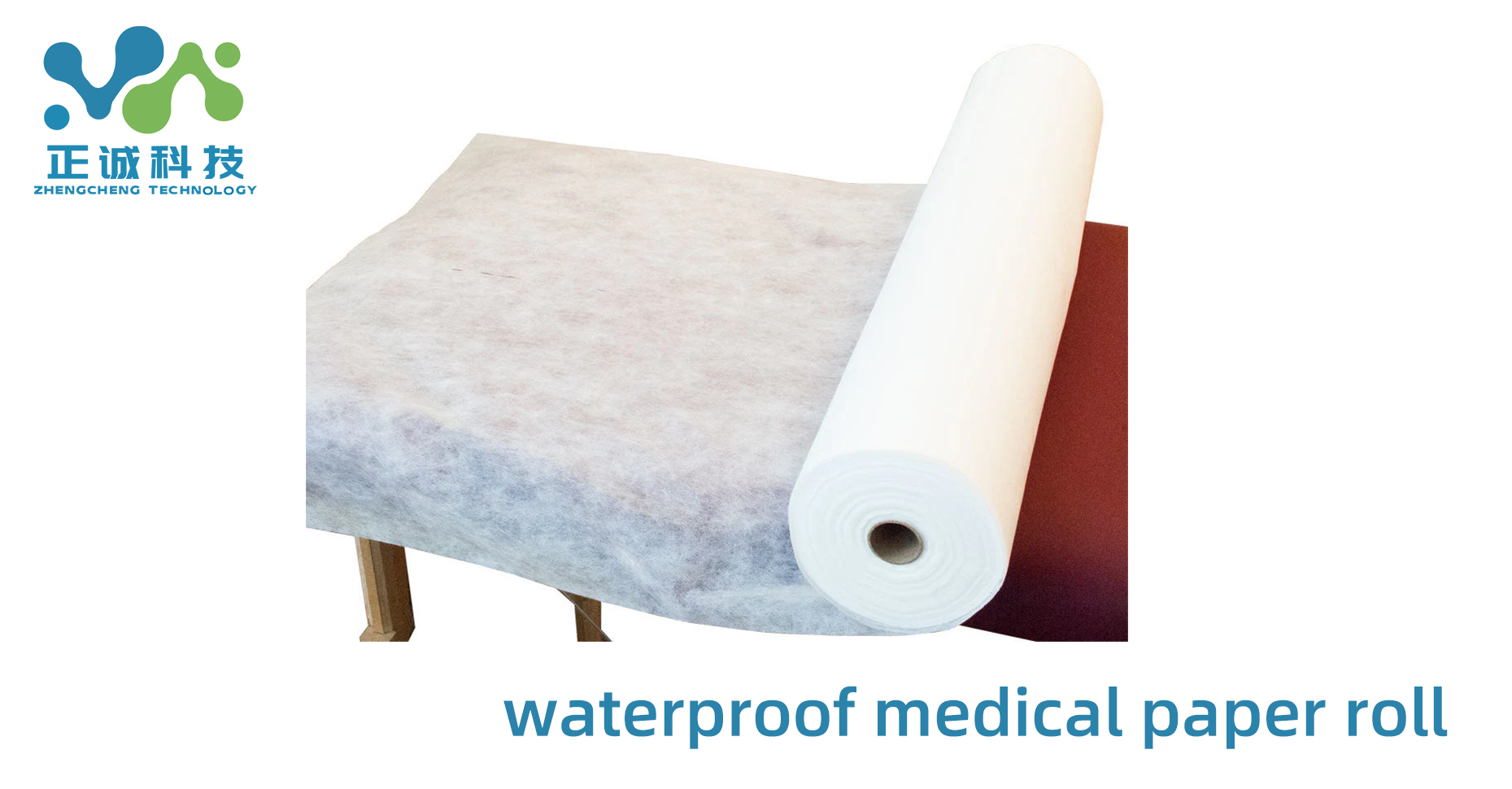
What Is an Examination Table Paper Roll?
If you step into any doctor's office, dental clinic, or physiotherapy center today, you'll almost certainly notice a long roll of paper mounted on the side of the treatment bed or examination table. This ubiquitous yet often overlooked product is known as an exam table paper roll, and it plays a critical role in maintaining hygiene, ensuring patient comfort, and supporting efficient medical workflows.
While it might superficially resemble simple paper towel stock, the exam table paper roll is in fact a highly specialized medical product engineered for durability, absorbency, and most importantly, infection control. Its presence in healthcare settings is not merely a matter of convenience, but a fundamental component of modern medical hygiene protocols.
Understanding the Engineering and Specifications
What Exactly is an Exam Table Paper Roll?
An exam table paper roll is specifically engineered to meet the rigorous demands of medical environments. Unlike standard household paper products, it is designed with unique properties:
Dual-Function Design:
- Strength when dry: Maintains integrity under normal handling conditions
- Absorbency when wet: Effectively manages bodily fluids and moisture
- Tear resistance: Specially treated or layered to prevent tearing when patients move or sit on it
Technical Specifications
Ply Construction:
- 2-ply or 3-ply: Standard configurations that provide optimal strength-to-weight ratio
- Enhanced durability: Multiple layers prevent tearing and ensure consistent performance
Dimensional Standards:
- Width: Standard widths range from 50cm to 60cm to fit most medical tables and examination surfaces
- Length: Rolls typically measure 70 meters or longer, reducing the frequency of changes and minimizing staff interruptions
Material Quality:
- Grammage (GSM): Ranges from 40-60 gsm for balanced performance
- Smooth embossing: Improves tactile feel and patient comfort
Comprehensive Applications Across Healthcare Settings
Medical and Clinical Environments
General Medical Clinics:
- Routine physical examinations
- Wound dressing and minor procedures
- Vaccination and injection administration
- Pediatric check-ups
Specialized Medical Departments:
- Dermatology: Preventing spread of skin conditions
- Gynecology: Ensuring absolute sterility for sensitive procedures
- Urology: Managing fluid exposure during examinations
- Surgical preparation: Maintaining sterile fields
Alternative Healthcare and Wellness
Therapeutic Settings:
- Physiotherapy: Managing sweat and skin oils during treatments
- Chiropractic care: Providing clean surfaces for patient positioning
- Massage therapy: Ensuring hygienic conditions for client comfort
Cosmetic and Aesthetic Services:
- Tattoo and piercing studios: Catching ink and blood to maintain sterile workspaces
- Spa treatments: Providing disposable barriers for facial and body treatments
- Beauty salons: Ensuring clean surfaces for various cosmetic procedures
Veterinary Medicine
- Pet examinations: Safe and hygienic surfaces for animal care
- Veterinary surgeries: Maintaining sterile conditions
- Animal grooming: Providing disposable protection
The Critical Role in Infection Control
Meeting Modern Healthcare Standards
In today's healthcare environment, infection control standards are stricter than ever. The exam table paper roll serves as the first line of defense against Hospital-Acquired Infections (HAIs), which remain a significant concern in medical facilities worldwide.
Key Infection Control Benefits:
Absolute Surface Barrier:
- Creates a physical barrier between patient and examination surface
- Prevents cross-contamination between patients
- Ensures a pristine surface for every new patient encounter
Single-Use Protocol:
- "Tear-off" system guarantees fresh surface for each patient
- Eliminates risks associated with reusable linens
- Supports compliance with healthcare regulations
Fluid Management:
- Absorbs bodily fluids while maintaining structural integrity
- Prevents "strike-through" contamination of underlying surfaces
- Facilitates easy cleanup and disposal
Department-Specific Infection Control
High-Risk Areas:
- Emergency departments: Rapid turnover with guaranteed hygiene
- Isolation rooms: Preventing spread of infectious diseases
- Operating rooms: Maintaining sterile fields for surgical procedures
Specialized Infection Control:
- Dermatology: Preventing transmission of skin pathogens
- Gynecology: Ensuring absolute sterility for reproductive health
- Wound care: Managing infectious fluids safely
Material Science and Performance Standards
Engineering for Optimal Performance
Absorbency vs. Strength Balance:
- Controlled absorbency: Manages fluids without disintegrating
- Tensile strength: Resists tearing under patient movement
- Puncture resistance: Withstands contact with medical instruments
Surface Properties:
- Smooth texture: Enhances patient comfort
- Non-irritating: Safe for direct skin contact
- Hypoallergenic: Minimizes risk of allergic reactions
Quality Assurance and Compliance
Regulatory Standards:
- Compliance with medical device regulations
- Adherence to infection control guidelines
- Meeting biocompatibility standards
Performance Testing:
- Absorbency rate measurement
- Tensile strength testing
- Fluid resistance evaluation
- Biocompatibility assessment
Selection Guide: Choosing the Right Exam Table Paper Roll
Key Selection Criteria
Application Requirements:
- Evaluate the level of fluid exposure expected
- Consider patient volume and turnover rate
- Assess the risk level of contamination
Material Specifications:
- GSM (Grams per Square Meter):
- 40-45 gsm: Standard for general use
- 45-55 gsm: Enhanced durability for high-traffic areas
- 55+ gsm: Heavy-duty for specialized applications
- Ply construction: 2-ply vs. 3-ply based on strength requirements
- Width: Match to table dimensions with appropriate overhang
Cost-Benefit Analysis:
- Compare total cost of ownership
- Consider waste reduction potential
- Evaluate labor savings and efficiency gains
Department-Specific Recommendations
General Practice Clinics:
- Recommended: 50 cm width, 40-45 gsm, 2-ply construction
- Why: Cost-effective solution for routine examinations with moderate fluid exposure
Specialized Medical Departments:
- Recommended: 55 cm width, 45-55 gsm, 3-ply construction
- Why: Enhanced durability and fluid management for high-risk procedures
Therapeutic and Wellness Settings:
- Recommended: 50 cm width, 40-45 gsm, smooth embossing
- Why: Balances comfort with adequate protection for low-fluid environments
Operational Efficiency and Workflow Optimization
Time-Saving Benefits
Rapid Room Turnover:
- Seconds vs. minutes: Disposable rolls can be replaced in seconds
- Staff efficiency: Nurses and technicians focus on patient care
- Increased capacity: Examination rooms become available quickly
Reduced Labor Burden:
- Eliminates linen handling and laundering
- Minimizes staff time dedicated to cleaning
- Streamlines infection control protocols
Waste Management and Environmental Considerations
Sustainable Practices:
- Biodegradable paper components
- Recyclable materials where possible
- Reduced environmental impact compared to reusable alternatives
Waste Minimization:
- Precise sizing reduces material waste
- Efficient usage patterns
- Proper disposal protocols
Training and Implementation Best Practices
Staff Education
Proper Usage Protocols:
- Complete coverage: Ensure all patient-contact surfaces are protected
- Adequate overhang: Allow sufficient material to drape over edges
- Prompt replacement: Change rolls between every patient, regardless of appearance
Infection Control Training:
- Comprehensive education on HAI prevention
- Regular updates on best practices
- Emphasis on the critical role of disposable barriers
Quality Monitoring
Performance Evaluation:
- Monitor usage patterns and material consumption
- Gather feedback from medical staff
- Track infection rates and contamination incidents
Continuous Improvement:
- Regular review of selection criteria
- Adaptation to changing clinical needs
- Implementation of new technologies
Future Trends and Technological Advancements
Emerging Innovations
Advanced Material Technologies:
- Antimicrobial coatings: Enhanced pathogen protection
- Smart materials: Fluid detection capabilities
- Enhanced biocompatibility: Improved patient safety
Sustainable Engineering:
- Biodegradable composites: Reduced environmental impact
- Recyclable laminates: Improved sustainability
- Eco-friendly manufacturing: Lower carbon footprint
Industry Evolution
Integration with Digital Systems:
- Automated dispensing: Smart roll systems
- Inventory management: Data-driven optimization
- Usage analytics: Performance monitoring
Customization and Personalization:
- Branded products: Facility-specific identification
- Custom sizes: Tailored to unique equipment
- Specialized formulations: Department-specific requirements
Conclusion: A Cornerstone of Modern Healthcare Hygiene
The exam table paper roll is far more than a simple convenience item - it is a small but mighty tool that plays a critical role in modern healthcare delivery. As an affordable, effective solution for maintaining high hygiene standards, it ensures that every patient feels safe, protected, and cared for during their medical encounters.
In an era where infection control is paramount, the exam table paper roll stands as a testament to the power of simple yet effective engineering solutions. Its ability to provide a reliable, single-use barrier while balancing cost-effectiveness, patient comfort, and operational efficiency makes it an indispensable component of any well-equipped medical facility.
For healthcare administrators, clinic managers, and medical professionals, understanding the specifications, applications, and benefits of exam table paper rolls is essential for creating safe, efficient, and patient-centered care environments. As medical practices continue to evolve, this humble yet vital product will remain at the forefront of efforts to deliver high-quality, hygienic healthcare to patients around the world.
Best Disposable Bed Sheet Roll for Clinics: A Selection Guide
Disposable Couch Roll vs. Traditional Fabric Sheets: The Ultimate Showdown