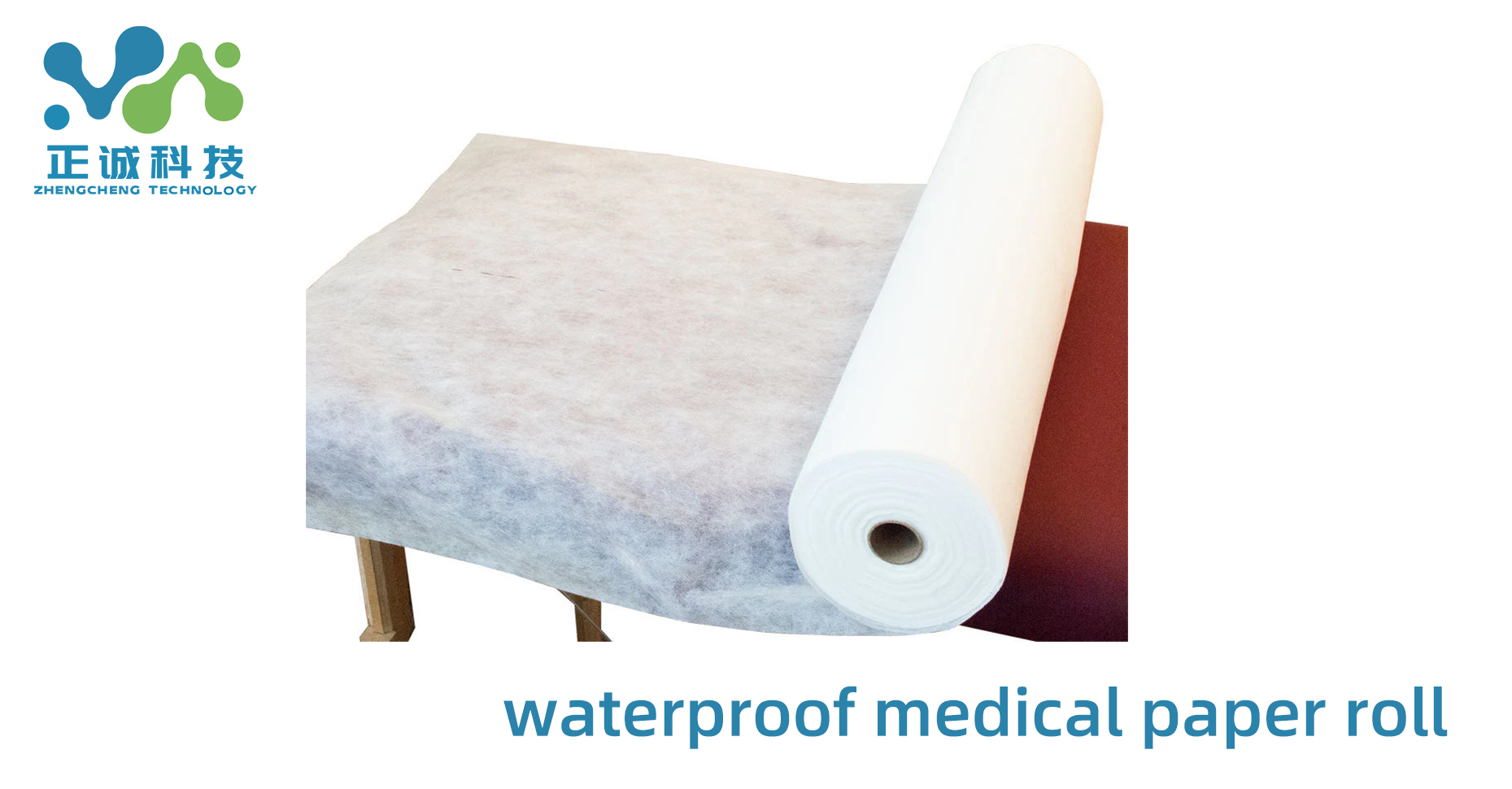
Best Disposable Bed Sheet Roll for Clinics: A Selection Guide
Not all medical rolls are created equal. This fundamental truth becomes apparent when you consider the diverse requirements of different medical facilities. Whether you're equipping a dental office, a labor and delivery ward, or a physiotherapy center, selecting the appropriate disposable bed sheet roll is critical for maintaining optimal hygiene standards, ensuring patient comfort, and maximizing cost-effectiveness.
Choosing the wrong type of roll can lead to serious consequences including fluid leaks, patient discomfort, increased operational costs, and compromised infection control protocols. This comprehensive guide will help you navigate the selection process by matching the right material properties to your specific clinical environment.
Understanding the Three Primary Types of Disposable Bed Sheet Rolls
1. For High-Moisture Environments: PE Coated Rolls
Ideal Applications:
- Labor and delivery rooms
- Dental operatories
- Wound care clinics
- Surgical preparation areas
- Emergency departments
What is it?
A PE coated disposable bed sheet roll consists of high-quality wood pulp paper laminated with a thin, transparent layer of Polyethylene (PE) film. This composite structure creates a dual-function material with a soft, absorbent paper surface and an impermeable plastic backing.
Key Benefits:
- Complete Waterproof Protection: The PE layer forms an absolute barrier against blood, amniotic fluid, disinfectants, and other bodily fluids
- Infection Control: Prevents "strike-through" contamination of underlying mattresses and equipment
- Cost-Effective Durability: Offers enhanced tear resistance compared to standard paper rolls
- Easy Decontamination: Surface spills can be quickly wiped away without absorption
Performance Metrics:
- Fluid resistance: 100% impermeable
- Tensile strength: 30-50% higher than standard paper
- Average lifespan: 2-3 years (shelf life)
2. For Comfort and Absorbency: Non-Woven Rolls
Ideal Applications:
- Physiotherapy and rehabilitation centers
- Beauty salons and spa facilities
- Massage therapy clinics
- Dermatology offices
- Cosmetic procedure rooms
What is it?
A non-woven disposable bed sheet roll is engineered from bonded synthetic fibers, typically using SMS (Spunbond-Meltblown-Spunbond) or Spunlace technology. This creates a fabric-like material that mimics the comfort of traditional textiles while maintaining disposable convenience.
Key Benefits:
- Superior Patient Comfort: Soft, cloth-like texture that feels gentle against the skin
- Excellent Breathability: Allows air circulation to prevent patient overheating
- High Absorbency: Effectively manages sweat and minor moisture
- Hypoallergenic Properties: Reduced risk of skin irritation or allergic reactions
Material Specifications:
- GSM range: 45-60 gsm for optimal balance
- Fiber composition: Polypropylene or polyester blends
- Barrier protection: Moderate (suitable for low-fluid environments)
3. For General Examinations: Pure Pulp Paper Rolls
Ideal Applications:
- General practitioner clinics
- Chiropractic offices
- Pediatric examination rooms
- Veterinary examination tables
- Routine health screenings
What is it?
A pure pulp paper disposable bed sheet roll is manufactured from high-quality virgin wood pulp, typically in 2-ply or 3-ply crepe paper construction. This traditional material remains the industry standard for general medical use.
Key Benefits:
- Cost-Effectiveness: Most economical option for high-volume usage
- Environmental Sustainability: Fully biodegradable and compostable
- Adequate Strength: Sufficient durability for standard examination procedures
- Universal Compatibility: Fits all standard examination table dimensions
Technical Specifications:
- Basis weight: 40-50 gsm
- Ply construction: 2-ply or 3-ply for enhanced strength
- Roll length: 70-100 meters for extended usage
Comprehensive Selection Criteria for Medical Facilities
Fluid Management Requirements
High-Risk Environments (PE Coated Recommended):
- Procedures involving significant fluid exposure
- Areas requiring absolute waterproof protection
- Settings with high infection control standards
Moderate-Risk Environments (Non-Woven Suitable):
- Applications requiring moisture management
- Situations with minimal fluid exposure
- Environments prioritizing patient comfort
Low-Risk Environments (Paper Rolls Adequate):
- Routine examinations with controlled conditions
- Short-duration patient interactions
- Cost-sensitive operations
Durability and Strength Factors
Tear Resistance Evaluation:
- PE coated rolls: Highest resistance to tearing and puncturing
- Non-woven rolls: Moderate strength with excellent flexibility
- Paper rolls: Basic durability for standard use
Load-Bearing Capacity:
- Consider patient weight and movement patterns
- Evaluate equipment compatibility requirements
- Account for frequent position changes
Comfort and Patient Experience
Skin Contact Properties:
- Non-woven: Softest texture, closest to natural fabric
- PE coated: Slightly plasticky but comfortable with paper surface
- Paper: Standard feel, may be less comfortable for extended use
Thermal Regulation:
- Non-woven: Best breathability and temperature control
- Paper: Moderate breathability
- PE coated: Limited breathability due to plastic layer
Cost and Operational Efficiency
Total Cost of Ownership Analysis:
- Initial purchase price
- Frequency of replacement
- Labor costs for changing rolls
- Waste disposal expenses
- Potential savings from reduced contamination incidents
Inventory Management:
- Shelf life and storage requirements
- Supplier reliability and availability
- Bulk purchasing options and discounts
Application-Specific Recommendations
Dental Clinics
Recommended: PE coated rolls (50 cm width, 45-50 gsm)
Why: Provides essential protection against saliva, blood, and disinfectants while maintaining patient comfort during procedures.
Labor and Delivery Rooms
Recommended: Heavy-duty PE coated rolls (60 cm width, 55+ gsm)
Why: Handles significant fluid volumes, prevents strike-through contamination, and ensures maximum infection control during critical procedures.
Physiotherapy Centers
Recommended: Non-woven rolls (55 cm width, 50 gsm SMS)
Why: Offers superior comfort for extended therapy sessions, manages sweat effectively, and provides moderate fluid resistance.
General Practice Clinics
Recommended: Pure pulp paper rolls (50 cm width, 40-45 gsm)
Why: Cost-effective solution for routine examinations, biodegradable, and meets basic hygiene requirements.
Implementation Best Practices
Measurement and Sizing Guide
- Accurate Table Measurement: Measure the exact width of all examination surfaces
- Add Draping Allowance: Add 10-15 cm to ensure proper edge coverage
- Consider Equipment Variations: Account for adjustable tables and specialized equipment
- Standardize Where Possible: Use consistent sizes across similar departments
Staff Training and Protocol Development
- Develop clear usage guidelines for each department
- Train staff on proper dispensing and replacement techniques
- Establish waste management procedures
- Monitor usage patterns and adjust as needed
Quality Assurance and Compliance
Regulatory Standards
Ensure selected rolls meet relevant standards:
- Medical Device Regulations: Compliance with applicable medical device directives
- Infection Control Guidelines: Adherence to CDC and WHO recommendations
- Environmental Standards: Meeting biodegradability and recycling requirements
Performance Testing
- Conduct small-scale trials before full implementation
- Evaluate real-world performance in clinical settings
- Gather feedback from medical staff and patients
- Monitor infection rates and contamination incidents
Future-Proofing Your Selection
Technological Advancements
Stay informed about emerging innovations:
- Smart Materials: Rolls with fluid detection capabilities
- Enhanced Biocompatibility: Improved hypoallergenic properties
- Sustainable Engineering: More eco-friendly manufacturing processes
Scalability and Expansion
Consider future needs when making selections:
- Potential department expansions
- Equipment upgrades and replacements
- Changing clinical protocols and requirements
- Budgetary constraints and cost projections
Conclusion: The Art of Precision Selection
Choosing the right disposable bed sheet roll is not about finding a single "best" option, but rather about identifying the perfect match for your specific clinical environment and operational requirements. By carefully evaluating the unique demands of your facility - whether it's a high-moisture dental office, a comfort-focused physiotherapy center, or a cost-conscious general practice - you can select a solution that optimizes hygiene, enhances patient experience, and maximizes operational efficiency.
The key to success lies in understanding the distinct properties of each material type:
- PE coated disposable bed sheet rolls offer unmatched fluid protection for high-risk environments
- Non-woven rolls provide superior comfort and moderate absorbency for patient-focused care
- Pure pulp paper rolls deliver cost-effective, eco-friendly solutions for general applications
By aligning these material characteristics with your clinic's specific workflow, patient population, and budgetary constraints, you can implement a disposable bed sheet solution that not only meets but exceeds your clinical hygiene and operational standards. Remember, in healthcare, the details matter - and selecting the right disposable bed sheet roll is one detail that can make a significant difference in patient outcomes and operational success.
How PE Coated Paper Improves Hygiene in Medical Settings
What Is an Examination Table Paper Roll?