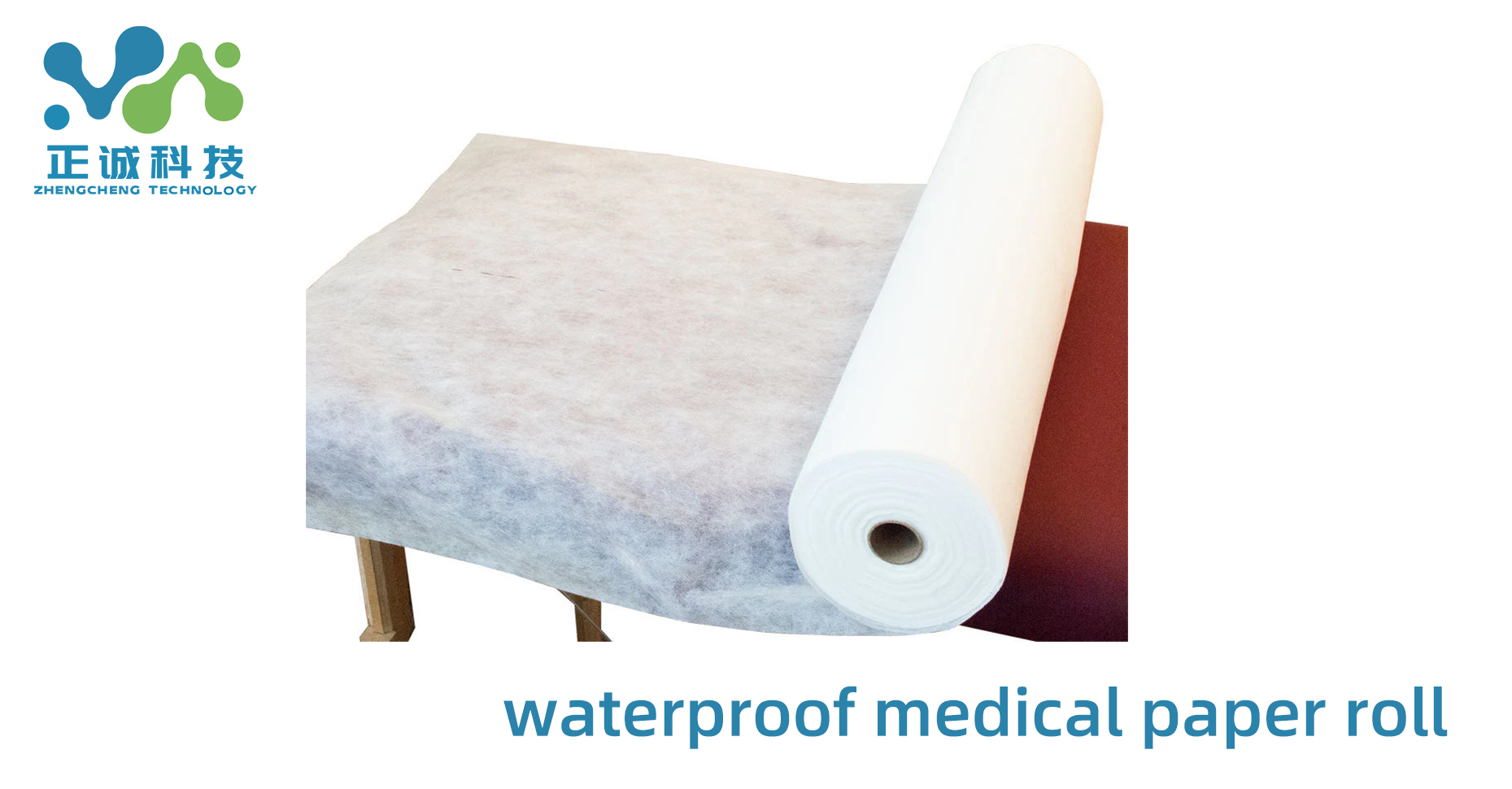
How Disposable Bed Rolls Reduce Cross Contamination
In any healthcare facility, clinic, or personal care setting, the threat of cross contamination remains a constant challenge. Pathogens can easily transfer from one patient to another through contaminated surfaces, posing significant risks to patient safety and public health. In the ongoing battle against healthcare-associated infections (HAIs), disposable bed rolls have emerged as a powerful and cost-effective solution for maintaining sterile environments.
The Science of Cross Contamination
Cross contamination occurs when harmful microorganisms are transferred from a contaminated source to a susceptible host. In medical settings, this can happen through various pathways:
- Patient-to-surface transfer: Pathogens from a patient's skin, bodily fluids, or clothing contaminate examination tables and beds
- Surface-to-patient transmission: Contaminated surfaces transfer pathogens to subsequent patients
- Airborne dispersion: Handling of contaminated materials aerosolizes bacteria and viruses
The consequences of cross contamination can be severe, leading to increased patient morbidity, prolonged hospital stays, and higher healthcare costs. According to recent studies, HAIs affect millions of patients globally each year, making effective infection control measures more critical than ever.
The Barrier Concept: How Disposable Bed Rolls Work
Disposable bed rolls function as a physical barrier between patients and medical furniture. This simple yet effective concept creates a "clean zone" by placing a sterile surface between the patient and examination table or bed. The science behind this approach is straightforward:
- Placement: A fresh, sterile roll is placed on the examination surface
- Protection: The roll acts as a barrier, preventing direct contact between the patient and furniture
- Disposal: After single use, the roll is discarded, removing any potential pathogens from the environment
This process effectively breaks the chain of infection at the surface transmission point, providing immediate protection for the next patient.
The Limitations of Reusable Linens
While traditional reusable fabric sheets may appear more economical at first glance, they pose significant contamination risks that make them less suitable for modern infection control protocols:
Handling and Transportation Risks
- Aerosolization: The process of stripping soiled linens can release pathogens into the air
- Surface contamination: Handling contaminated linens can transfer pathogens to staff hands and surfaces
- Transport risks: Moving soiled linens through facility corridors creates contamination pathways
Laundry Process Limitations
- Incomplete sterilization: If not washed at correct temperatures with appropriate disinfectants, pathogens can survive
- Cross-contamination in washers: Improperly cleaned washing machines can transfer pathogens between loads
- Chemical residue: Detergent residues may cause skin irritation for sensitive patients
Storage and Distribution Challenges
- Re-contamination risks: Clean linens stored in non-sterile environments can become contaminated
- Inventory management: Maintaining adequate supplies of clean linens requires significant logistical planning
- Cost inefficiencies: The total cost of laundering, including water, energy, and labor, can exceed the cost of disposables
The Single-Use Advantage
The primary benefit of disposable bed rolls lies in their "use-once-and-discard" nature. This eliminates the complex chain of handling, laundering, and redistribution associated with reusable textiles, providing several key advantages:
Guaranteed Cleanliness
- Every patient receives a fresh, uncontaminated surface
- Eliminates the risk of pathogen transfer between patients
- Provides consistent quality and performance
Enhanced Infection Control
- Immediate removal of potential pathogens from the environment
- Reduces the risk of HAIs and associated complications
- Supports compliance with infection control guidelines and regulations
Operational Efficiency
- Streamlines workflow by eliminating linen management processes
- Reduces staff time spent on laundry-related tasks
- Improves room turnover times between patients
The Role of PE Coating in Advanced Protection
Many modern disposable bed rolls incorporate advanced technology through PE (Polyethylene) coating, which significantly enhances their protective capabilities:
What is PE Coating?
PE coating involves laminating a thin layer of polyethylene film to the paper substrate. This creates a composite material that combines the absorbency of paper with the waterproof properties of plastic.
Key Benefits of PE Coated Rolls
- Complete waterproof barrier: Prevents fluids from soaking through to underlying surfaces
- Enhanced durability: The plastic layer increases tear resistance and strength
- Superior protection: Provides an impenetrable barrier against blood, bodily fluids, and disinfectants
- Mattress protection: Prevents contamination of difficult-to-sanitize mattresses and padding
Applications Requiring PE Coating
- Dental clinics: Protection against saliva, blood, and disinfectants
- Minor surgical procedures: Barrier against surgical fluids and irrigation solutions
- Labor and delivery: Management of amniotic fluid and blood
- Wound care: Containment of exudate and drainage
Cost-Benefit Analysis: Disposable vs. Reusable
When evaluating the total cost of ownership, disposable bed rolls often prove more cost-effective than traditional reusable linens when considering all factors:
Direct Costs
- Disposable rolls: Initial purchase cost plus disposal fees
- Reusable linens: Purchase cost, laundering expenses, replacement due to wear
Indirect Costs
- Infection control: Reduced HAIs lead to lower treatment costs
- Staff time: Eliminates labor associated with linen management
- Equipment protection: Prevents damage to expensive medical furniture
Risk Mitigation
- Liability reduction: Lower risk of infection transmission
- Regulatory compliance: Easier adherence to infection control standards
- Reputation protection: Enhanced patient trust and satisfaction
Environmental Considerations
Modern disposable bed rolls are addressing environmental concerns through:
- Biodegradable materials: Many products use compostable paper components
- Recyclable components: PE coating can be processed in appropriate recycling streams
- Sustainable sourcing: Use of responsibly harvested wood pulp
- Reduced resource consumption: Eliminates water and energy used in laundering
Implementation Best Practices
To maximize the benefits of disposable bed rolls, healthcare facilities should consider:
Selection Criteria
- Choose appropriate GSM (grams per square meter) for required durability
- Select PE coated options for procedures involving significant fluids
- Ensure proper sizing for your specific equipment
- Consider non-woven options for enhanced comfort
Staff Training
- Proper placement and coverage techniques
- Consistent disposal procedures
- Patient communication about hygiene benefits
- Inventory management best practices
Quality Assurance
- Regular monitoring of product performance
- Feedback collection from staff and patients
- Continuous improvement of protocols
- Compliance with regulatory requirements
The Future of Infection Control
As healthcare continues to evolve, disposable bed rolls are likely to incorporate even more advanced technologies:
- Antimicrobial coatings: Enhanced pathogen-killing capabilities
- Smart materials: Sensors for fluid detection and contamination monitoring
- Customizable barriers: Materials tailored to specific procedural needs
- Sustainable innovations: More eco-friendly production and disposal methods
Conclusion
In the critical fight against healthcare-associated infections, disposable bed rolls represent a simple yet highly effective line of defense. By providing a reliable, single-use barrier, these products offer a scientifically sound method to reduce cross contamination and protect both patients and healthcare providers.
The adoption of pe coated bed rolls and other advanced disposable solutions demonstrates a commitment to patient safety, operational efficiency, and modern infection control standards. As healthcare facilities continue to prioritize hygiene and risk reduction, disposable bed rolls will remain an essential tool in creating safer, more sanitary environments for all.
Investing in quality disposable bed rolls is not just a matter of convenience - it's a strategic decision that supports better patient outcomes, enhanced staff safety, and improved operational performance in today's demanding healthcare landscape.
What Is Dental Bib Material? Understanding the Paper + PE Structure
Paper Roll vs Nonwoven Roll for Medical Use