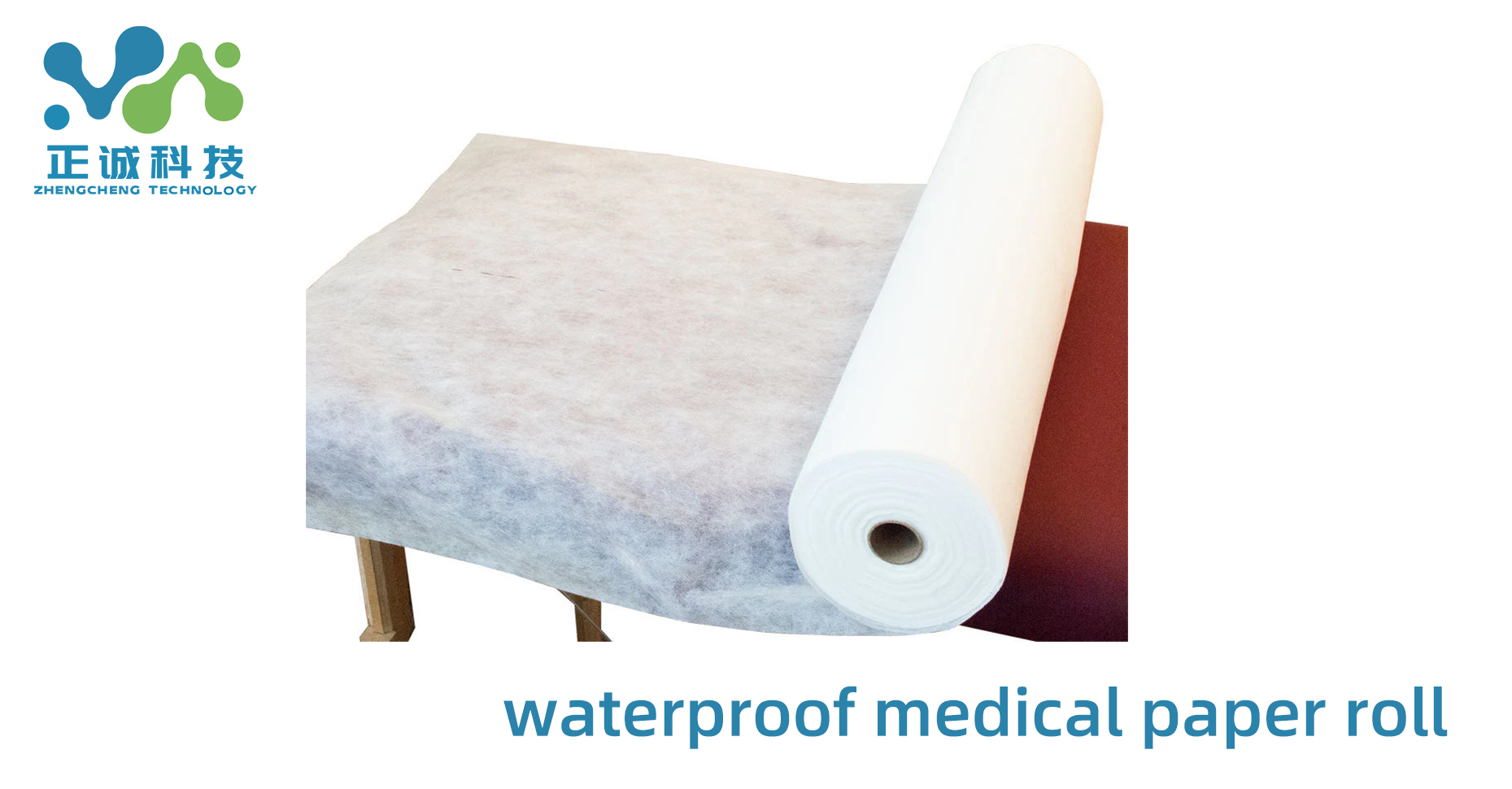
Paper Roll vs Nonwoven Roll for Medical Use
When it comes to equipping your medical facility with the right disposable bed rolls, the decision between paper roll vs nonwoven roll can significantly impact both patient experience and operational efficiency. While both options serve as essential infection control tools, they cater to different needs and applications within the healthcare environment.
Understanding the Fundamentals
What Are Paper Rolls?
Traditional paper rolls are made from wood pulp and processed into thin, lightweight sheets. They have been the standard choice for many clinics due to their cost-effectiveness and basic functionality.
What Are Nonwoven Rolls?
Nonwoven rolls, particularly spunlace nonwoven fabric, are engineered from synthetic fibers bonded together to create a material that mimics the look and feel of traditional cloth. This advanced material offers enhanced performance characteristics.
Detailed Comparison Analysis
1. Cost and Budget Considerations
Paper Roll: The Economical Choice
- Initial Cost: Generally the most budget-friendly option
- Manufacturing: Inexpensive production process
- Best For: High-volume, low-cost applications where frequent replacement is expected
- Long-term Value: While cheaper upfront, may require more frequent replacement due to lower durability
Nonwoven Roll: Mid-Range Investment
- Initial Cost: Typically costs 20-40% more than standard paper rolls
- Value Proposition: Offers better durability and performance
- Cost-Effectiveness: Lower replacement frequency can offset higher initial cost
- Best For: Facilities looking for a balance between quality and cost
2. Patient Comfort and Sensory Experience
Paper Roll: Basic Comfort
- Texture: Can feel crisp and somewhat "crinkly"
- Sound: Produces noticeable noise when patients move
- Skin Feel: Smooth but not particularly soft against the skin
- Temperature: Can feel cool to the touch, especially in air-conditioned rooms
Nonwoven Roll: Premium Comfort
- Texture: Specifically spunlace nonwoven feels very similar to cloth
- Sound: Virtually silent when patients move or reposition
- Skin Feel: Exceptionally soft, warm, and gentle on sensitive skin
- Breathability: Allows better air circulation, reducing patient discomfort
3. Strength and Durability Performance
Paper Roll: Limited Durability
- Tear Resistance: Can tear easily if it gets too wet (unless PE coated)
- Puncture Resistance: Low resistance to sharp objects or instruments
- Wet Strength: Loses integrity when exposed to significant moisture
- Lifespan: Designed for single, short-term use
Nonwoven Roll: Superior Durability
- Tear Resistance: Extremely resistant to tearing under pressure
- Puncture Resistance: Withstands contact with medical instruments
- Wet Strength: Maintains integrity even when slightly damp
- Versatility: Suitable for a wider range of procedures
4. Infection Control Capabilities
Paper Roll: Basic Protection
- Barrier Function: Provides a basic physical barrier
- Fluid Management: Limited absorbency; standard paper can allow fluid penetration
- PE Coated Option: Enhanced version offers better fluid protection
Nonwoven Roll: Advanced Protection
- Barrier Function: Creates a more effective physical barrier
- Fluid Management: Better absorbency with controlled fluid retention
- Surface Integrity: Maintains barrier properties even under stress
5. Environmental and Operational Factors
Paper Roll:
- Disposal: Generally more biodegradable
- Storage: Takes up less space due to thinner material
- Handling: Lighter weight but more prone to accidental tearing
Nonwoven Roll:
- Environmental Impact: May have longer decomposition time
- Storage: Requires slightly more storage space
- Handling: Easier to handle due to better strength characteristics
Application-Specific Recommendations
When to Choose Paper Rolls
Ideal For:
- General examination rooms with low fluid exposure
- Short-duration patient visits
- Budget-conscious facilities with high patient volume
- Non-critical areas where basic protection is sufficient
Best Applications:
- Primary care clinics
- Pediatric offices
- Routine check-up rooms
- Administrative areas
When to Choose Nonwoven Rolls
Ideal For:
- Procedures requiring patient comfort and quiet environment
- Areas with potential for instrument contact
- Facilities prioritizing premium patient experience
- Settings with moderate to high fluid exposure
Best Applications:
- Specialist clinics (dermatology, ophthalmology)
- Rehabilitation centers
- Luxury medical spas
- Surgical preparation areas
Making the Right Decision for Your Facility
The choice in the paper roll vs nonwoven roll debate ultimately depends on your specific priorities and operational requirements:
Consider Paper Rolls If:
- Budget is the primary constraint
- Procedures are short-duration and low-risk
- Basic infection control is sufficient
- High-volume turnover is expected
Consider Nonwoven Rolls If:
- Patient comfort is a top priority
- Durability and tear resistance are critical
- You want to reduce noise in the examination room
- Procedures involve potential instrument contact
Hybrid Approach Strategy
Many facilities find success with a hybrid approach:
- Use paper rolls in general examination rooms
- Reserve nonwoven rolls for specialty areas or premium services
- Offer patient choice when appropriate
- Adjust based on seasonal patient volume fluctuations
Future Trends and Innovations
The market for disposable bed rolls continues to evolve:
- Eco-friendly nonwoven materials with improved sustainability
- Antimicrobial coatings for enhanced infection control
- Smart materials with fluid detection capabilities
- Customizable textures for specific applications
Conclusion
The decision between paper roll vs nonwoven roll isn't about finding a "better" option, but rather identifying the "right" option for your specific healthcare setting. By carefully evaluating your facility's needs, patient demographics, budget constraints, and quality standards, you can make an informed choice that balances cost, comfort, and clinical effectiveness.
Remember, the goal is to create a safe, comfortable environment for patients while maintaining efficient operations and stringent infection control protocols. Whether you choose the economical paper roll or the premium nonwoven roll, both serve as valuable tools in modern healthcare delivery.
How Disposable Bed Rolls Reduce Cross Contamination
What Is a Nonwoven Fabric Roll?