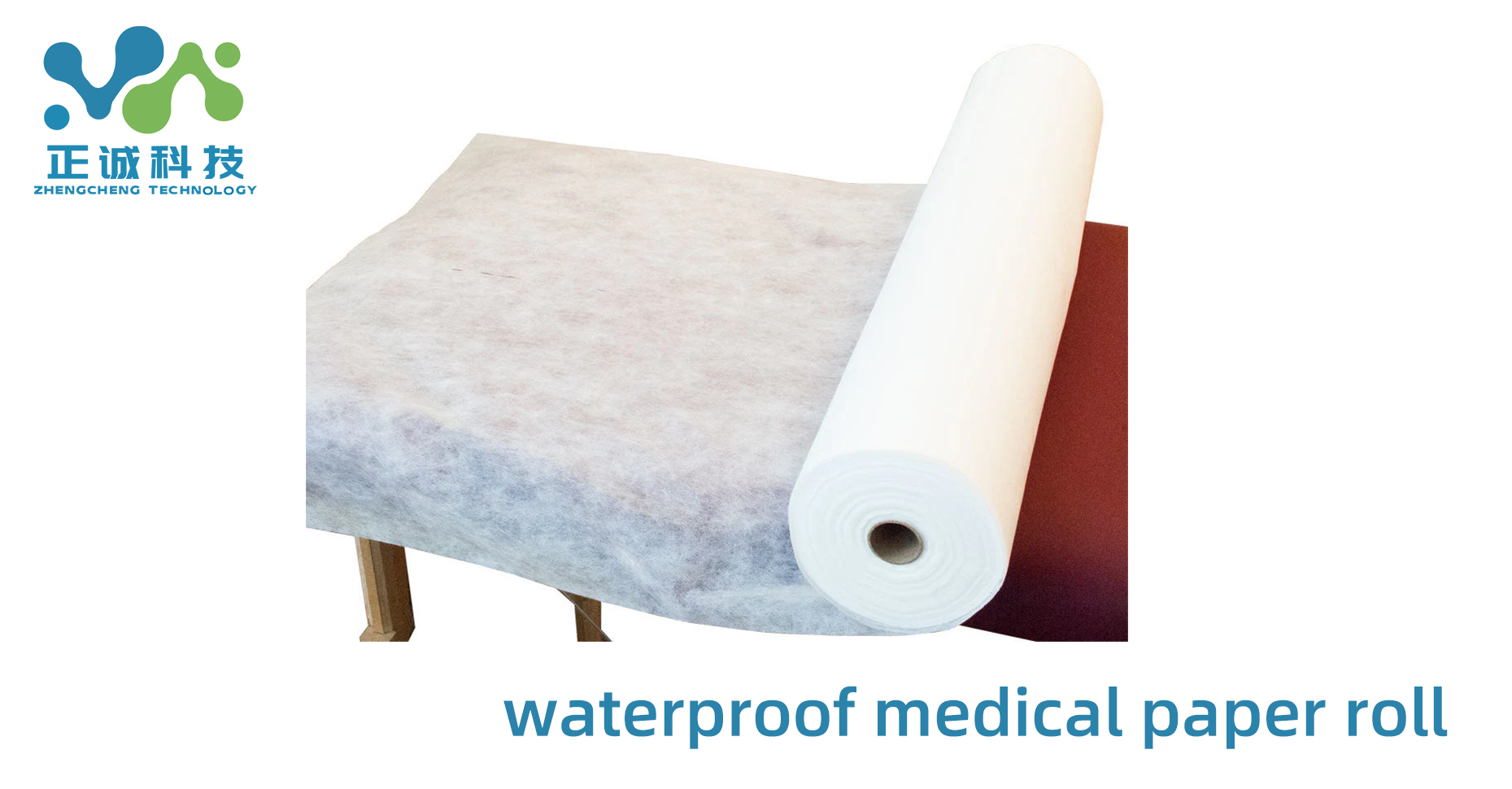
What Is Dental Bib Material? Understanding the Paper + PE Structure
In the high-stakes environment of dental practice, maintaining a sterile field is not just important - it's absolutely paramount. Every surface a patient comes into contact with must be protected from potential contamination. Among the most critical, yet often overlooked, pieces of infection control equipment is the small sheet placed over a patient's chest during procedures: the dental bib. Its effectiveness is directly tied to its specialized dental bib material composition.
The Advanced Dual-Layer Structure
Modern dental bib material represents a sophisticated application of material science, engineered specifically to meet the rigorous demands of dental infection control protocols. The material is almost exclusively a composite structure, carefully designed with two distinct layers that work in harmony:
Top Layer: Premium Absorbent Paper Pulp
This patient-facing layer is crafted from high-quality virgin wood pulp, engineered for optimal performance:
Key Features:
- Exceptional softness for patient comfort
- High absorbency to manage saliva, water spray, and minor fluids
- Breathable structure to prevent patient discomfort
- Smooth texture that doesn't irritate sensitive skin
The paper pulp layer effectively captures and contains liquids generated during dental procedures, keeping the patient dry and comfortable throughout their treatment.
Bottom Layer: Medical-Grade Polyethylene (PE) Film
The foundation of the bib's protective capabilities lies in this advanced polymer layer:
Protective Functions:
- Complete waterproof barrier against all fluid types
- Impermeable shield preventing cross-contamination
- Durable construction that resists tearing and puncturing
- Smooth surface that's easy to clean and disinfect
This thin, transparent PE film is laminated to the paper layer, creating an impenetrable barrier that stops any absorbed fluids from reaching the dental chair's upholstery.
Why This Composite Structure is Clinically Essential
The paper + PE combination in dental bib material creates a synergistic product that delivers multiple layers of protection:
Comprehensive Fluid Management System
- Absorption: The paper layer captures and retains liquids at the source
- Containment: The PE layer prevents any migration of contaminated fluids
- Isolation: Complete separation between patient and clinical equipment
Critical Infection Control Benefits
- Strike-Through Prevention: Eliminates the risk of fluids penetrating to underlying surfaces
- Cross-Contamination Barrier: Creates a sterile field between patient and equipment
- Surface Protection: Shields expensive dental chairs from fluid damage and staining
Enhanced Durability and Performance
- Tear Resistance: The PE layer significantly increases overall strength
- Puncture Protection: Resists damage from instruments and patient movement
- Consistent Performance: Maintains integrity even when saturated
Advanced Applications in Dental Infection Control
The same dental bib material technology extends beyond patient bibs to create a comprehensive system of disposable protection:
Procedure-Specific Applications
Dental Bibs: Standard patient chest coverage during procedures
Procedure Towels: Instrument tray covers and surface protectors
Chair Covers: Full coverage for dental chairs between patients
Headrest Protectors: Specialized covers for head support areas
Material Variations for Different Needs
- Standard Absorbency: For routine examinations and cleanings
- High-Absorbency: For surgical procedures and extensive treatments
- Antimicrobial Coating: Enhanced protection for high-risk patients
- Custom Sizes: Tailored solutions for specialized equipment
The Manufacturing Process Behind Quality Dental Bibs
Creating superior dental bib material involves precision engineering:
Raw Material Selection
- Medical-grade virgin wood pulp for purity and consistency
- Food-safe Polyethylene resins for biocompatibility
- Strict quality control of all input materials
Lamination Technology
- Advanced extrusion coating for uniform PE application
- Molecular bonding for permanent adhesion
- Precision thickness control for consistent performance
Quality Assurance
- Rigorous testing for fluid barrier integrity
- Tensile strength and tear resistance verification
- Biocompatibility testing for patient safety
Choosing the Right Dental Bib Material for Your Practice
When selecting pe coated dental bibs, consider these critical factors:
Performance Specifications
- GSM (Grams per Square Meter): Determines thickness and durability
- PE Coating Thickness: Affects waterproof performance
- Absorbency Rate: Critical for fluid management
- Tensile Strength: Ensures resistance to tearing
Regulatory Compliance
- Meeting medical device standards
- Compliance with infection control guidelines
- Certifications for medical use
Cost-Effectiveness Analysis
- Total cost of ownership calculation
- Waste reduction potential
- Long-term savings on equipment protection
Environmental Considerations and Sustainability
Modern dental infection control products are addressing environmental concerns:
Eco-Friendly Innovations:
- Biodegradable paper components
- Recyclable PE film materials
- Sustainable manufacturing processes
- Reduced waste through precision design
Lifecycle Analysis:
When compared to traditional reusable linens, disposable dental bibs offer environmental advantages:
- Elimination of water-intensive laundering
- Reduction in energy consumption
- Lower carbon footprint from transportation
The Future of Dental Infection Control Materials
As dental technology continues to advance, so too does dental bib material innovation:
Emerging Technologies:
- Smart materials with fluid detection capabilities
- Enhanced antimicrobial properties
- Customizable barrier characteristics
- Biodegradable composite structures
Integrated Systems Approach:
- Complete infection control solutions
- Branded products for practice marketing
- Automated dispensing systems
- Data-driven inventory management
Conclusion: The Science of Patient Safety
Understanding dental bib material reveals the sophisticated engineering behind what appears to be a simple product. The paper + PE composite structure is a perfect example of how advanced material science is applied to solve real-world infection control challenges in the dental industry.
In an era where patient safety is the highest priority, the choice of dental infection control products becomes a critical decision for every practice. By selecting high-quality pe coated dental bibs, dental professionals not only protect their equipment and patients but also demonstrate their commitment to excellence in clinical care.
The evolution of dental bib material represents more than just technological advancement - it symbolizes the dental profession's ongoing dedication to creating safer, more hygienic environments for both patients and practitioners. As dental care continues to evolve, these innovative materials will remain at the forefront of infection control innovation.
Disposable Sheets for Beauty Salons: Elevating Hygiene and Client Trust
How Disposable Bed Rolls Reduce Cross Contamination