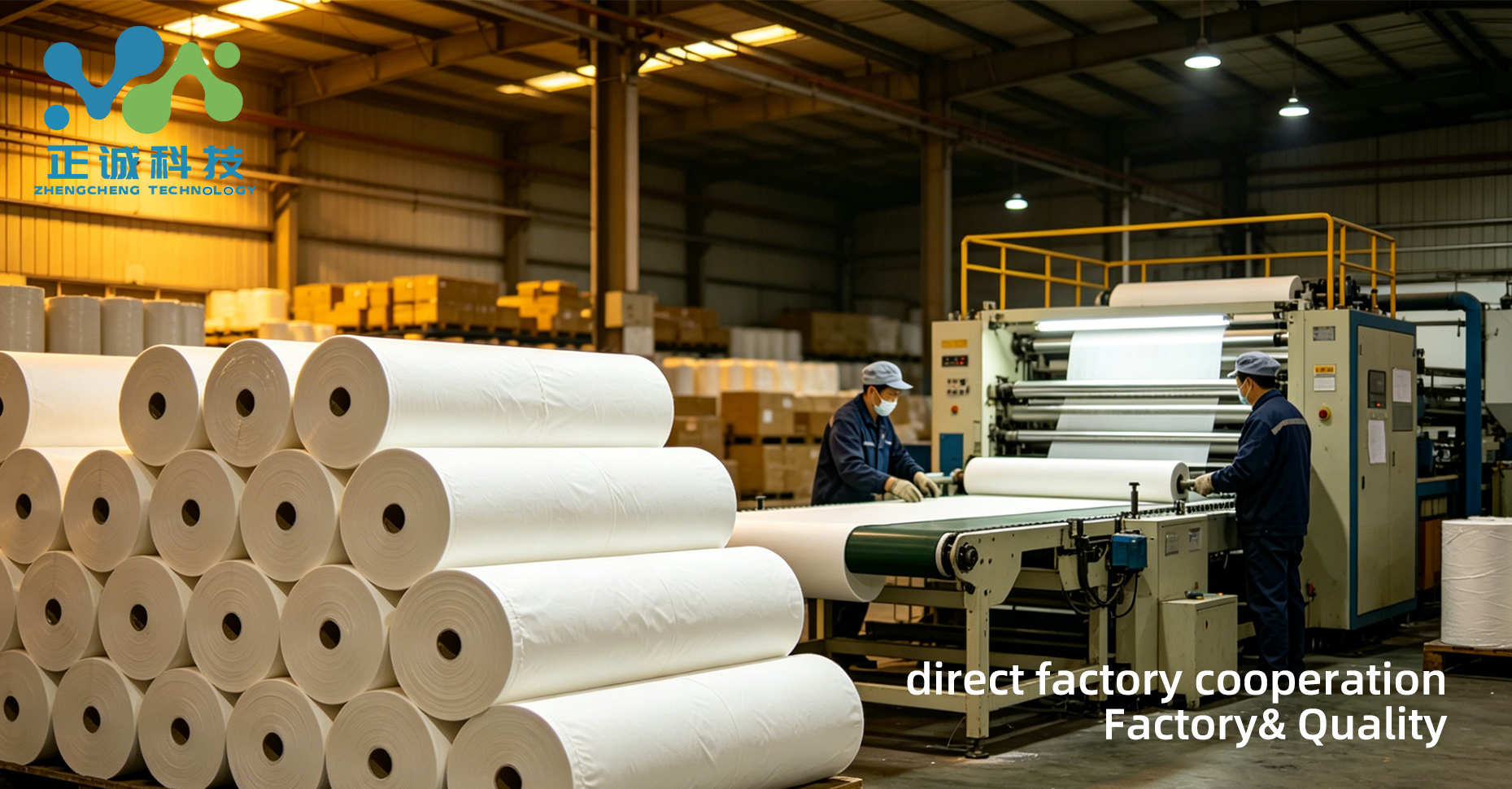
Raw Material Inspection Process Explained: The First Line of Defense
The Foundation of Quality: Understanding Raw Material Inspection
In the world of medical consumables manufacturing, quality isn't just a checkbox—it's the very foundation upon which trust is built. The raw material inspection process serves as the critical first line of defense, ensuring that every medical roll that reaches healthcare facilities meets the highest standards of safety, performance, and reliability.
You cannot create high-quality medical products from substandard materials. This fundamental principle drives our rigorous inspection protocols, which begin long before production commences. Every batch of raw material undergoes comprehensive testing to verify its suitability for medical applications.
Comprehensive Wood Pulp Inspection Protocol
For our premium paper rolls, we exclusively use 100% virgin wood pulp—a commitment that eliminates the risks associated with recycled materials. Our inspection process for wood pulp is multi-faceted and highly technical:
1. Whiteness and Purity Analysis
Using advanced spectrophotometric analysis, we measure the whiteness index of the pulp to ensure it meets our stringent visual standards. More importantly, we conduct microscopic examinations to detect any impurities, dark spots, or foreign particles that could indicate contamination. This level of scrutiny is essential for maintaining the medical roll quality expected in clinical environments.
2. Dust Content Measurement
In medical settings, airborne particles can pose significant risks. Our dust content testing employs laser particle counters to quantify particulate matter. We maintain dust levels well below industry averages, ensuring our products contribute to clean, safe environments rather than compromising them.
3. Basis Weight Verification
Consistency is key in medical applications. We use precision electronic balances and thickness gauges to verify that the paper density matches the required GSM (grams per square meter) specifications. Variations in basis weight can affect absorbency, strength, and overall performance.
Rigorous PE Film Testing Procedures
For our waterproof medical rolls, the Polyethylene (PE) film inspection is equally comprehensive:
1. Thickness Uniformity Testing
Using non-contact laser micrometers, we measure film thickness across its entire width at multiple points. This ensures there are no thin spots that could lead to leaks or weak points that might compromise the barrier protection.
2. Melt Index Determination
The melt index is a critical parameter that affects how the film bonds to paper during lamination. We conduct melt flow index testing according to ASTM D1238 standards to guarantee consistent bonding characteristics and optimal performance.
3. Tensile Strength and Elongation Testing
Our materials testing machines subject PE film samples to controlled stress, measuring both tensile strength and elongation at break. This data ensures the film maintains its integrity under various conditions and applications.
Advanced Quality Control Technologies
Our inspection process leverages cutting-edge technologies:
- Fourier Transform Infrared (FTIR) Spectroscopy for chemical composition analysis
- Scanning Electron Microscopy (SEM) for detailed surface examination
- Gas Chromatography-Mass Spectrometry (GC-MS) for volatile organic compound detection
- Microbial Testing in certified cleanroom environments
The Quarantine and Release System
Our zero-tolerance approach to quality means any material failing to meet our strict standards is immediately quarantined. Using a color-coded tagging system, we isolate non-conforming materials and initiate return procedures with suppliers.
Only materials that pass all inspection criteria receive a "release" status, marked with green tags and entered into our production inventory system. This controlled release process ensures traceability and accountability at every step.
Continuous Improvement and Supplier Partnerships
We believe quality is a shared responsibility. Our supplier quality assurance program includes:
- Regular audits of raw material suppliers
- Joint development of quality improvement initiatives
- Real-time data sharing for continuous process refinement
- Collaborative research on new material technologies
The Impact on Final Product Quality
This meticulous raw material inspection process directly translates to superior final products:
- Consistent performance in clinical applications
- Enhanced patient safety through contaminant-free materials
- Improved workflow efficiency with reliable, predictable products
- Reduced waste from fewer product failures or rejections
Conclusion: Building Trust from the Ground Up
A rigorous raw material inspection process is more than just a quality control measure—it's the cornerstone of product reliability and customer trust. By investing in comprehensive testing protocols and maintaining unwavering standards, we ensure that every roll we produce begins its journey with the highest possible quality foundation.
In an industry where safety is paramount, our commitment to thorough raw material inspection provides healthcare facilities with the confidence that they're using products designed and manufactured with patient well-being as the top priority. This dedication to quality at every stage—from raw material to finished product—defines our approach to medical roll quality and sets the standard for the industry.
How Automatic Machines Improve Product Consistency in Medical Manufacturing
How Quality Control Works in Disposable Roll Production