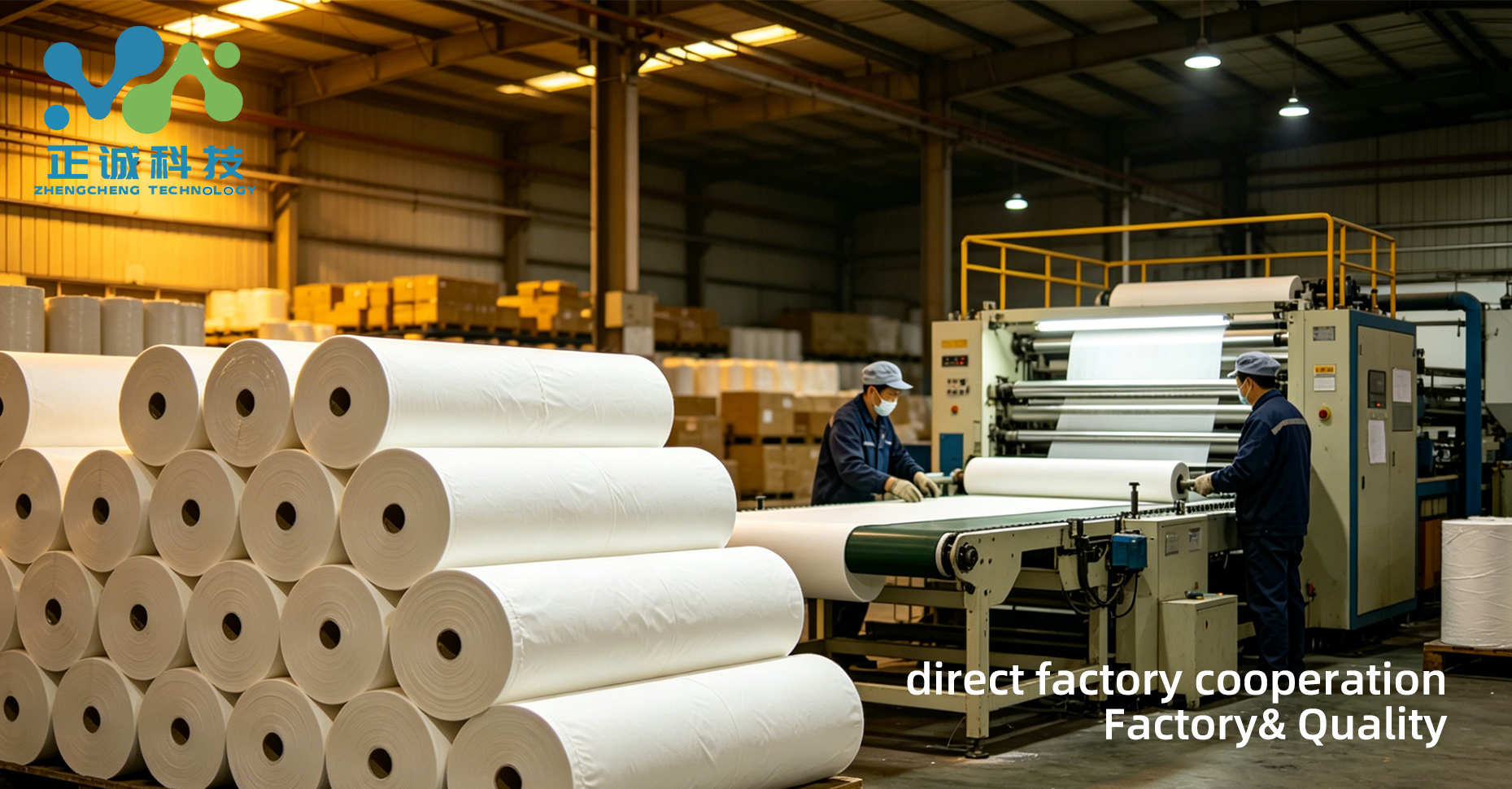
How to Build a Private Label Medical Brand: A Step-by-Step Guide
Building a Successful Private Label Medical Brand: Your Complete Roadmap
In today's competitive healthcare market, creating your own brand of medical consumables offers an exceptional business opportunity. Private label medical products allow entrepreneurs and established businesses to leverage professional manufacturing capabilities while building their own brand identity and customer loyalty. Whether you're looking to enter the medical supply market or expand your existing product line, this comprehensive guide will walk you through every step of the process.
Step 1: Market Research and Niche Identification
Understanding Your Target Market
The foundation of any successful brand is a deep understanding of your target audience. Begin by identifying the specific niche you want to serve:
Healthcare Facilities
- Dental clinics and oral surgery centers
- Medical examination rooms and outpatient facilities
- Veterinary clinics and animal hospitals
Specialty Services
- Tattoo and piercing studios
- Beauty salons and spa centers
- Physical therapy and chiropractic offices
Consumer Markets
- Home healthcare products
- Personal protective equipment (PPE)
- Eco-friendly medical supplies
Conducting Competitive Analysis
Research existing brands in your chosen niche to identify gaps and opportunities:
- Analyze pricing strategies and product offerings
- Evaluate brand positioning and marketing approaches
- Identify underserved customer segments
- Assess distribution channels and partnerships
Step 2: Product Selection and Development
Core Product Categories
Select high-demand, high-margin products that align with your brand vision:
High-Volume Consumables
- Disposable bed rolls and examination paper
- Patient gowns and drapes
- Dental bibs and barriers
Specialty Products
- Eco-friendly and biodegradable options
- Premium non-woven materials
- Custom-sized and specialty formats
Quality Standards and Compliance
Ensure your products meet all necessary regulatory requirements:
- FDA registration and compliance
- ISO 13485 quality management systems
- CE marking for European markets
- Local regulatory certifications
Step 3: Brand Development and Design
Creating Your Brand Identity
Develop a strong, memorable brand that resonates with your target audience:
Brand Name and Logo
- Choose a name that reflects professionalism and trust
- Design a logo that communicates care and quality
- Ensure trademark availability and registration
Packaging Design
- Create packaging that protects the product and enhances brand appeal
- Include all necessary regulatory information and instructions
- Design for shelf appeal and brand recognition
Brand Messaging
- Develop a compelling brand story and value proposition
- Create consistent messaging across all touchpoints
- Establish brand voice and communication guidelines
Step 4: Manufacturing Partnership Selection
Choosing the Right OEM Partner
Select a manufacturing partner that aligns with your brand standards:
Quality and Compliance
- Verify ISO certifications and quality control processes
- Review their track record with medical products
- Ensure compliance with international standards
Production Capabilities
- Assess their manufacturing capacity and scalability
- Evaluate their ability to handle custom requirements
- Review their packaging and labeling capabilities
Support Services
- Look for partners offering design and development support
- Ensure they can handle regulatory documentation
- Verify their logistics and distribution capabilities
Step 5: Regulatory Compliance and Certifications
Navigating the Regulatory Landscape
Ensure your brand complies with all necessary regulations:
Product Registrations
- FDA establishment and device listings
- CE marking and European conformity
- Country-specific registrations and approvals
Labeling Requirements
- Product identification and branding
- Manufacturer information and contact details
- Usage instructions and safety warnings
- Expiration dates and storage conditions
Quality Management Systems
- Implement ISO 13485 compliant processes
- Establish document control and record keeping
- Develop corrective and preventive action procedures
Step 6: Distribution and Sales Strategy
Building Your Distribution Network
Develop a multi-channel approach to reach your target customers:
Direct Sales
- Build relationships with healthcare facilities and clinics
- Attend industry trade shows and conferences
- Develop a professional sales team
Online Channels
- Create an e-commerce website for direct sales
- List products on medical supply marketplaces
- Utilize digital marketing and SEO strategies
Wholesale Partnerships
- Partner with medical supply distributors
- Establish relationships with group purchasing organizations (GPOs)
- Collaborate with other complementary brands
Step 7: Marketing and Brand Building
Developing Your Marketing Strategy
Create a comprehensive marketing plan to build brand awareness:
Digital Marketing
- Develop a content marketing strategy with valuable healthcare content
- Implement SEO to rank for relevant medical supply keywords
- Utilize social media to engage with healthcare professionals
Traditional Marketing
- Create professional brochures and product catalogs
- Place advertisements in medical industry publications
- Sponsor healthcare events and conferences
Customer Acquisition
- Offer samples and trial programs for new customers
- Develop loyalty programs for repeat customers
- Implement referral programs to expand your customer base
Step 8: Operations and Scaling
Building Sustainable Operations
Establish systems and processes for long-term success:
Inventory Management
- Implement just-in-time inventory systems
- Develop demand forecasting models
- Establish safety stock levels
Customer Service
- Create comprehensive product support systems
- Develop training materials for end-users
- Establish responsive customer service channels
Business Growth
- Continuously monitor market trends and customer needs
- Expand product lines based on market demand
- Explore new markets and distribution channels
Step 9: Continuous Improvement and Innovation
Staying Ahead of the Competition
Commit to ongoing improvement and innovation:
Product Development
- Regularly update and improve existing products
- Develop new products based on customer feedback
- Stay informed about industry trends and innovations
Process Optimization
- Continuously improve manufacturing and operational processes
- Implement lean principles to reduce waste
- Invest in technology to enhance efficiency
Customer Relationship Management
- Build strong relationships with key customers
- Gather feedback to improve products and services
- Develop strategic partnerships for mutual growth
Conclusion: Building a Legacy Brand in Healthcare
Creating a successful private label medical brand requires careful planning, strategic execution, and unwavering commitment to quality. By following this comprehensive roadmap, you can establish a brand that healthcare professionals trust and patients rely on.
The journey from concept to market leader is challenging but immensely rewarding. With the right manufacturing partner, strong brand identity, and customer-focused approach, you can build a medical brand that makes a meaningful difference in the healthcare industry.
Remember, building a brand is not just about selling products – it's about creating value, building trust, and making a positive impact on healthcare delivery. Start with high-quality private label medical products, focus on your customers' needs, and let your brand vision guide you to success.
We're here to support you every step of the way, providing the manufacturing excellence and industry expertise you need to bring your brand vision to life. Together, we can create medical brands that stand the test of time and make healthcare better for everyone.
Why Long-Term Buyers Prefer Direct Factory Cooperation Over Traders
How We Control Moisture During Shipping: Protecting Your Paper Rolls