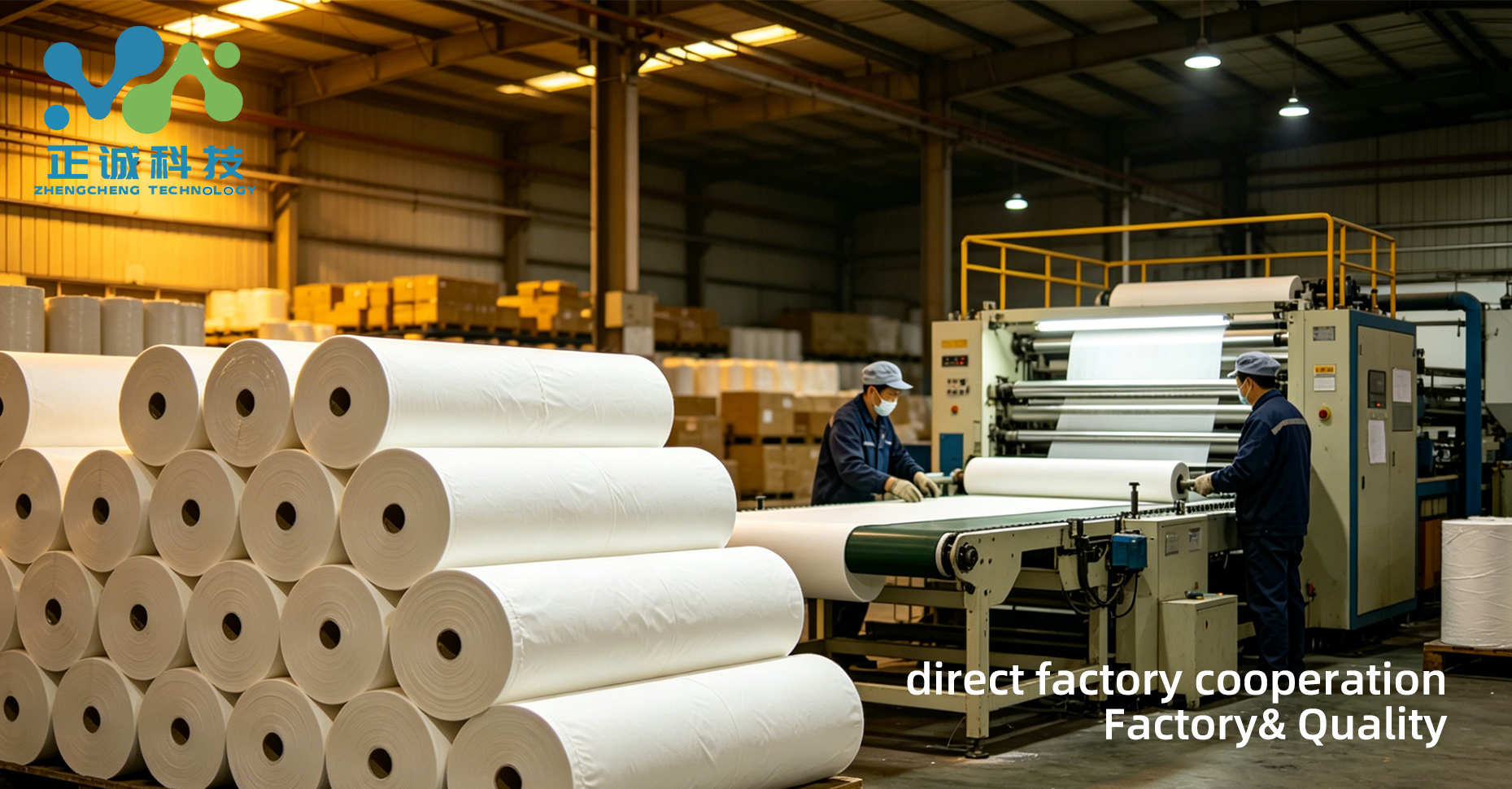
How Quality Control Works in Disposable Roll Production
How Quality Control Works in Disposable Roll Production
In the medical consumables industry, quality is not just a department; it is a mindset that permeates every stage of production. Effective quality control disposable rolls processes are essential to ensure that every sheet performs exactly as expected in a clinical setting. From raw material selection to final packaging, rigorous quality assurance measures are implemented to deliver products that meet the highest standards of safety and performance.
The Importance of Quality Control in Medical Consumables
Medical roll quality assurance is critical because these products are used in sensitive healthcare environments where patient safety is paramount. A single defect in a disposable roll can compromise infection control protocols, leading to potential health risks. Therefore, comprehensive quality control systems are implemented to:
- Ensure consistent product performance
- Maintain high standards of hygiene
- Prevent manufacturing defects
- Meet regulatory requirements
- Build trust with healthcare providers
Comprehensive Quality Control Stages
1. Incoming Quality Control (IQC)
Quality control begins before production even starts. Every batch of raw material—whether it's wood pulp, non-woven fabric, or polyethylene granules—undergoes rigorous testing. This incoming quality control for disposable rolls includes:
Raw Material Testing:
- Weight verification (GSM - grams per square meter)
- Tensile strength testing
- Microbial contamination checks
- Chemical composition analysis
- Moisture content measurement
Only materials that pass these strict criteria are allowed into the production facility. This initial screening prevents substandard materials from entering the manufacturing process, ensuring the foundation of quality is solid.
2. In-Process Quality Control (IPQC)
During production, our technicians constantly monitor the manufacturing equipment and processes. This real-time monitoring is crucial for maintaining consistent quality throughout the production run.
Production Line Monitoring:
- Visual Inspection Systems: Advanced cameras and human inspectors scan for defects such as tears, stains, or uneven coating
- Parameter Verification: Regular checks of critical production parameters
- Machine Calibration: Ensuring all equipment operates within specified tolerances
Key Process Checks:
- Perforation Quality: Ensuring clean, consistent tear lines that function properly
- Winding Tightness: Preventing "telescoping" where layers slide out of alignment
- Coating Uniformity: Verifying even application of PE film or other coatings
- Absorbency Consistency: Testing fluid absorption capabilities
3. Final Quality Control (FQC)
Before shipment, a random sampling of the finished quality control disposable rolls is taken to the laboratory for comprehensive testing. This final gatekeeping ensures that clients receive products that meet all specifications.
Laboratory Testing Procedures:
- Stress Tests: Evaluating tensile strength and durability under various conditions
- Water Absorption Tests: Measuring absorbency rates and capacity
- Barrier Integrity Checks: Verifying waterproof and germ-resistant properties
- Microbial Testing: Ensuring products meet hygiene standards
- Dimensional Accuracy: Confirming roll size, thickness, and weight specifications
4. Finished Product Quality Control (FPQC)
The final stage focuses on the packaged product, ensuring that the quality is maintained through the final steps.
Packaging Verification:
- Seal integrity testing
- Label accuracy checks
- Packaging material quality
- Sterility maintenance (for sterile products)
Advanced Testing Methods
Physical Performance Testing
- Tensile Strength Testing: Measures the force required to break the material
- Bursting Strength: Evaluates resistance to puncture and tearing
- Softness Measurement: Ensures patient comfort during use
- Absorbency Rate: Quantifies how quickly the material absorbs fluids
Barrier Protection Testing
- Water Resistance: Testing the effectiveness of waterproof coatings
- Bacterial Filtration Efficiency (BFE): For SMS nonwoven materials
- Fluid Resistance: Evaluating protection against blood and other bodily fluids
Hygiene and Safety Testing
- Bioburden Testing: Measuring microbial contamination levels
- Toxicity Screening: Ensuring materials are safe for medical use
- Allergen Testing: Verifying latex-free and hypoallergenic properties
Continuous Improvement and Compliance
Regulatory Compliance
Quality control systems are designed to meet and exceed various regulatory standards, including:
- ISO 13485:2016 for medical devices
- FDA requirements for medical consumables
- CE marking standards
- Local healthcare regulations
Statistical Process Control (SPC)
Advanced statistical methods are used to monitor and control production processes, identifying trends and preventing potential quality issues before they occur.
Root Cause Analysis
When quality issues are identified, thorough root cause analysis is conducted to implement permanent corrective actions and prevent recurrence.
The Human Element in Quality Control
While technology plays a crucial role, the human element remains vital in medical roll quality assurance. Trained inspectors bring expertise and judgment to the process, complementing automated systems with their experience and attention to detail.
Staff Training and Development:
- Comprehensive quality training programs
- Regular skill development sessions
- Cross-functional quality awareness
- Continuous education on new testing methods
Benefits of Robust Quality Control
Implementing rigorous quality control disposable rolls processes provides numerous benefits:
For Manufacturers:
- Reduced waste and rework costs
- Improved production efficiency
- Enhanced brand reputation
- Better compliance with regulations
For Healthcare Providers:
- Consistent product performance
- Increased patient safety
- Reliable infection control
- Cost-effective operations
For Patients:
- Higher standards of care
- Reduced risk of complications
- Improved comfort and safety
Conclusion
Robust quality control disposable rolls processes are what separate a reliable supplier from the rest. It guarantees that the products you receive are safe, consistent, and ready for use in demanding medical environments. Through a combination of advanced technology, rigorous testing methods, and dedicated personnel, comprehensive quality assurance systems ensure that every disposable roll meets the exacting standards required in healthcare settings.
By investing in state-of-the-art quality control measures, manufacturers demonstrate their commitment to excellence and patient safety. For healthcare facilities, choosing suppliers with proven medical roll quality assurance systems in place is a critical decision that directly impacts patient care and operational efficiency.
Raw Material Inspection Process Explained: The First Line of Defense
Inside a Medical Disposable Products Factory: A Virtual Tour