What Is PE Laminated Paper? Structure, Benefits, and Medical Applications
The Science Behind PE Laminated Paper: A Complete Guide
In the world of medical consumables and hygiene products, standard paper simply doesn't meet the rigorous demands of modern healthcare. To achieve the perfect balance of patient comfort and maximum protection, manufacturers have developed PE laminated paper - a revolutionary composite material that's transforming infection control in clinics and hospitals worldwide.
Understanding the Structure of PE Laminated Paper
PE laminated paper is an engineered composite material created through a precise lamination process that bonds two distinct layers together to create a superior product:
1. The Paper Layer:
- Typically made from high-quality virgin wood pulp
- Provides exceptional softness for patient comfort
- Offers natural absorbency for minor fluids
- Delivers structural strength and tear resistance
2. The PE (Polyethylene) Layer:
- A thin, food-grade plastic film
- Melted and permanently bonded to the paper substrate
- Creates an impenetrable waterproof barrier
- Provides excellent chemical resistance
The manufacturing process involves extruding molten polyethylene onto a moving web of paper, creating a permanent bond at the molecular level. This results in a material that combines the best properties of both paper and plastic.
Why Healthcare Facilities Choose PE Laminated Paper
The brilliance of medical grade disposable materials lies in their dual functionality and targeted performance:
Patient-Facing Benefits:
- The paper side provides a soft, cloth-like feel against the skin
- Offers superior comfort during examinations and procedures
- Maintains a professional, clean appearance
- Reduces patient anxiety about hygiene
Clinician and Equipment Protection:
- The PE side creates an absolute fluid barrier
- Prevents cross-contamination between patients
- Protects expensive medical equipment from damage
- Simplifies cleaning and infection control protocols
Key Medical Applications of PE Laminated Paper
1. Examination Table Covers and Couch Rolls:
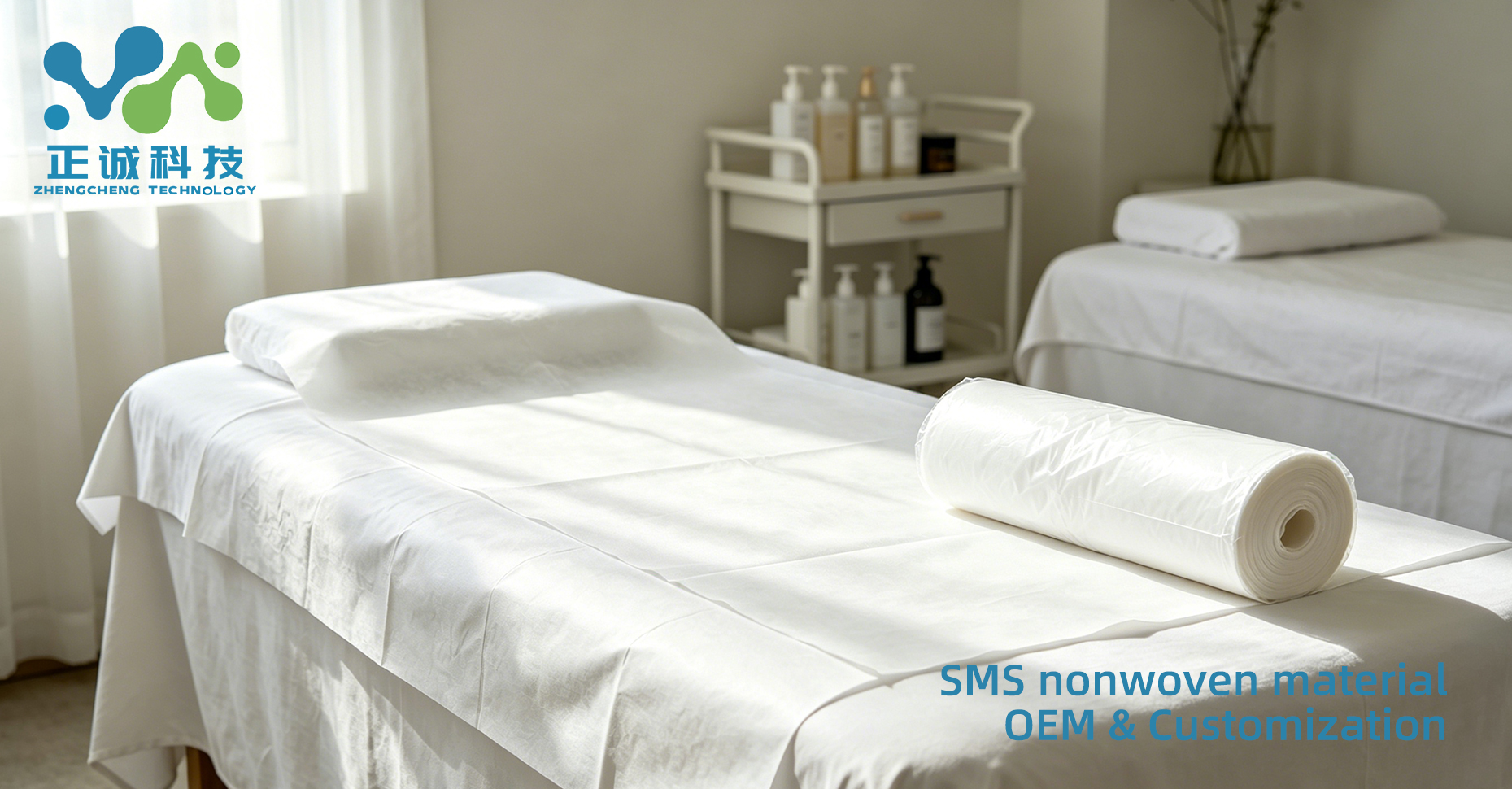
Waterproof examination table covers are perhaps the most common application. These products prevent blood, bodily fluids, and cleaning solutions from penetrating into expensive examination tables and massage tables. The material ensures each patient receives a fresh, clean surface.
2. Dental Bibs and Patient Protection:
In dental practices, PE laminated paper bibs keep patients' clothing dry during procedures. The waterproof backing prevents saliva and cleaning solutions from soaking through to clothing, while the soft paper side provides comfort.
3. Surgical Drapes and Gowns:
For minor surgical procedures, medical grade disposable materials are used in surgical drapes and gowns. The material provides a sterile field while maintaining comfort for both patients and medical staff.
4. Procedure Room Protection:
From ultrasound rooms to minor procedure areas, waterproof examination table covers protect expensive equipment from contamination. The material is particularly effective in environments where multiple patients are seen in quick succession.
5. Food Service in Healthcare:
Hospitals use PE laminated paper for food trays and meal service, preventing spills from contaminating surfaces and reducing the risk of foodborne illness transmission.
Advantages Over Traditional Materials
Superior Fluid Protection:
Unlike standard paper products, PE laminated paper provides absolute protection against fluid penetration. This is critical in medical environments where bloodborne pathogens and other contaminants must be contained.
Cost-Effective Solution:
While more expensive than regular paper, the protective qualities of PE laminated paper actually reduce long-term costs by:
- Extending the life of medical equipment
- Reducing cleaning time and labor
- Minimizing the risk of expensive infection outbreaks
Environmental Considerations:
Modern manufacturing processes have made PE laminated paper more environmentally friendly:
- Use of recyclable components where possible
- Reduction in chemical cleaning agents needed
- Lower water consumption compared to laundering reusable linens
Choosing the Right PE Laminated Products for Your Facility
When selecting medical grade disposable materials, consider these factors:
Thickness and Weight:
- Lighter weights for general examination use
- Heavier weights for surgical and high-fluid procedures
- Balance between comfort and protection
Size and Coverage:
- Ensure adequate coverage for your specific equipment
- Consider wider rolls for full table protection
- Evaluate special shapes for specialized applications
Certifications and Standards:
- Look for medical-grade certifications
- Verify compliance with relevant regulations
- Check for biocompatibility testing
The Future of Medical Disposables
As healthcare facilities continue to prioritize infection control and patient safety, the demand for advanced waterproof examination table covers and other PE laminated paper products will continue to grow. Innovations in material science are leading to even more specialized products, including:
- Antimicrobial coatings
- Enhanced breathability
- Improved eco-friendly formulations
- Smart materials with integrated sensors
Conclusion
PE laminated paper represents a perfect marriage of form and function in medical technology. By combining the comfort and absorbency of paper with the absolute fluid protection of polyethylene, this material has become an indispensable tool in modern healthcare hygiene.
From routine examinations to complex surgical procedures, medical grade disposable materials provide the reliable protection that healthcare facilities need to maintain the highest standards of patient care. As the industry continues to evolve, PE laminated paper will undoubtedly remain at the forefront of infection control innovation.
For clinics and hospitals looking to enhance their hygiene protocols, investing in high-quality PE laminated paper products is a simple yet highly effective way to protect patients, staff, and equipment while maintaining a professional, clean environment.
Tissue Paper vs Nonwoven Fabric: Which Is Best for Medical Use?