Latex-Free Medical Disposable Products: Why They Matter
Understanding the Risks of Latex in Medical Settings
What is Latex and Why is it Dangerous?
Natural rubber latex, derived from the sap of rubber trees, contains proteins that can trigger allergic reactions in sensitive individuals. In medical environments, these reactions can range from mild to life-threatening:
- Mild reactions: Skin irritation, itching, and redness at the point of contact
- Moderate reactions: Hives, respiratory symptoms, and conjunctivitis
- Severe reactions: Anaphylaxis, a potentially fatal allergic reaction
The Prevalence of Latex Allergies
Studies show that latex allergies affect:
- 1-6% of the general population
- 8-17% of healthcare workers
- Up to 68% of individuals with spina bifida
These statistics highlight why latex allergy in healthcare settings is a significant concern that requires proactive management.
The Science Behind Latex-Free Medical Products
Advanced Synthetic Alternatives
Modern medical technology has developed superior alternatives to natural rubber latex:
Polyethylene (PE): Widely used in waterproof backings, films, and examination table rolls, PE provides excellent barrier protection without any risk of latex exposure.
Polypropylene (PP): This versatile material is used in non-woven fabrics for gowns, drapes, and wound dressings, offering strength and fluid resistance.
Nitrile: The gold standard replacement for latex gloves, nitrile provides superior puncture resistance and chemical protection.
Performance Comparison
Contrary to early concerns, non-latex disposable medical supplies now match or exceed the performance of their latex counterparts:
- Tensile strength: Modern synthetics offer comparable durability
- Barrier protection: PE and PP films provide excellent fluid resistance
- Comfort: Advanced manufacturing techniques ensure user comfort
- Cost-effectiveness: Economies of scale have made latex-free products competitively priced
Key Applications of Latex-Free Medical Disposable Products
1. Examination and Procedure Supplies
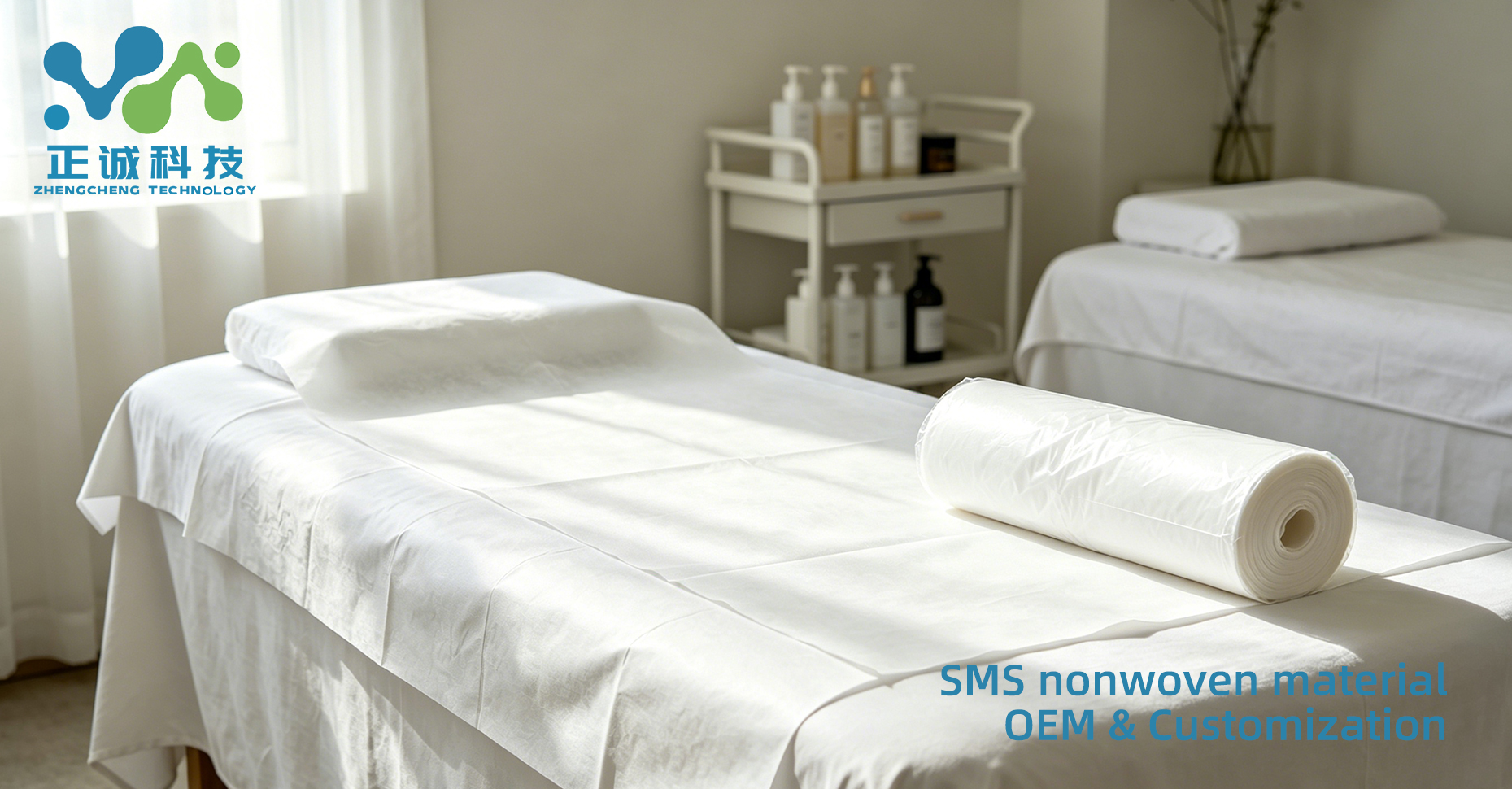
- Examination table rolls: PE-coated papers provide waterproof protection
- Dental bibs: Non-latex materials ensure patient safety during dental procedures
- Sterilization wraps: Latex-free wraps maintain instrument sterility
2. Personal Protective Equipment (PPE)
- Gloves: Nitrile gloves have become the standard in most healthcare settings
- Gowns and drapes: Polypropylene-based products offer excellent fluid barrier properties
- Face masks: Latex-free elastic bands prevent facial irritation
3. Wound Care and Dressings
- Adhesive bandages: Hypoallergenic adhesives and non-latex backings
- Wound dressings: Non-reactive materials that promote healing
- Catheter securement devices: Latex-free alternatives prevent skin reactions
The Benefits of Switching to Latex-Free Products
Enhanced Patient Safety
By eliminating latex from medical environments, facilities can:
- Prevent allergic reactions: Remove the risk of latex-induced anaphylaxis
- Create inclusive care: Ensure safety for patients with known or unknown latex allergies
- Reduce complications: Minimize post-procedural complications related to latex exposure
Improved Staff Protection
Healthcare workers benefit significantly from latex-free environments:
- Reduced occupational exposure: Lower risk of developing latex allergies
- Better compliance: Staff with latex sensitivities can work without concern
- Enhanced comfort: Modern latex-free products are designed for extended wear
Operational Advantages
- Simplified inventory management: Standardizing on latex-free products reduces complexity
- Regulatory compliance: Meets increasing requirements for allergy-safe environments
- Reputation enhancement: Demonstrates commitment to patient safety and inclusivity
Implementing a Latex-Free Environment
Assessment and Planning
- Conduct a latex inventory: Identify all latex-containing products in use
- Evaluate alternatives: Research latex-free medical disposable products for each application
- Develop a transition plan: Prioritize high-risk areas and high-use items
Staff Education and Training
- Allergy awareness: Train staff on recognizing and managing latex allergies
- Product knowledge: Ensure understanding of proper use and benefits of latex-free alternatives
- Emergency protocols: Establish procedures for managing allergic reactions
Continuous Improvement
- Monitor outcomes: Track reductions in allergic reactions and staff complaints
- Gather feedback: Collect input from staff and patients on product performance
- Stay updated: Follow advancements in non-latex disposable medical supplies technology
The Future of Latex-Free Medical Products
Technological Advancements
Ongoing research is focused on:
- Improved material properties: Developing synthetics with enhanced strength and flexibility
- Sustainable options: Creating eco-friendly latex-free alternatives
- Smart materials: Integrating sensors and other technologies into disposable products
Market Trends
The global market for latex-free medical disposable products is projected to grow significantly, driven by:
- Increasing awareness of latex allergies
- Stricter regulatory requirements
- Advancements in material science
- Growing demand for patient-safe environments
Conclusion
The transition to latex-free medical disposable products represents a significant advancement in patient care and safety. By understanding the risks associated with natural rubber latex and embracing modern synthetic alternatives, healthcare facilities can create safer environments for both patients and staff.
When sourcing medical disposables, always verify that products are truly latex-free by checking manufacturer specifications and certifications. This simple step can prevent potentially life-threatening reactions and contribute to a more inclusive healthcare system.
Investing in latex allergy in healthcare prevention through the use of non-latex disposable medical supplies is not just about compliance - it's about demonstrating a commitment to patient safety, staff well-being, and the highest standards of medical care. As technology continues to advance, the future looks bright for latex-free medical products that combine safety, performance, and reliability.
What Is SMS Nonwoven Material? Understanding Spunbond-Meltblown-Spunbond Technology
How Eco-Friendly Materials Are Changing Medical Consumables in 2026