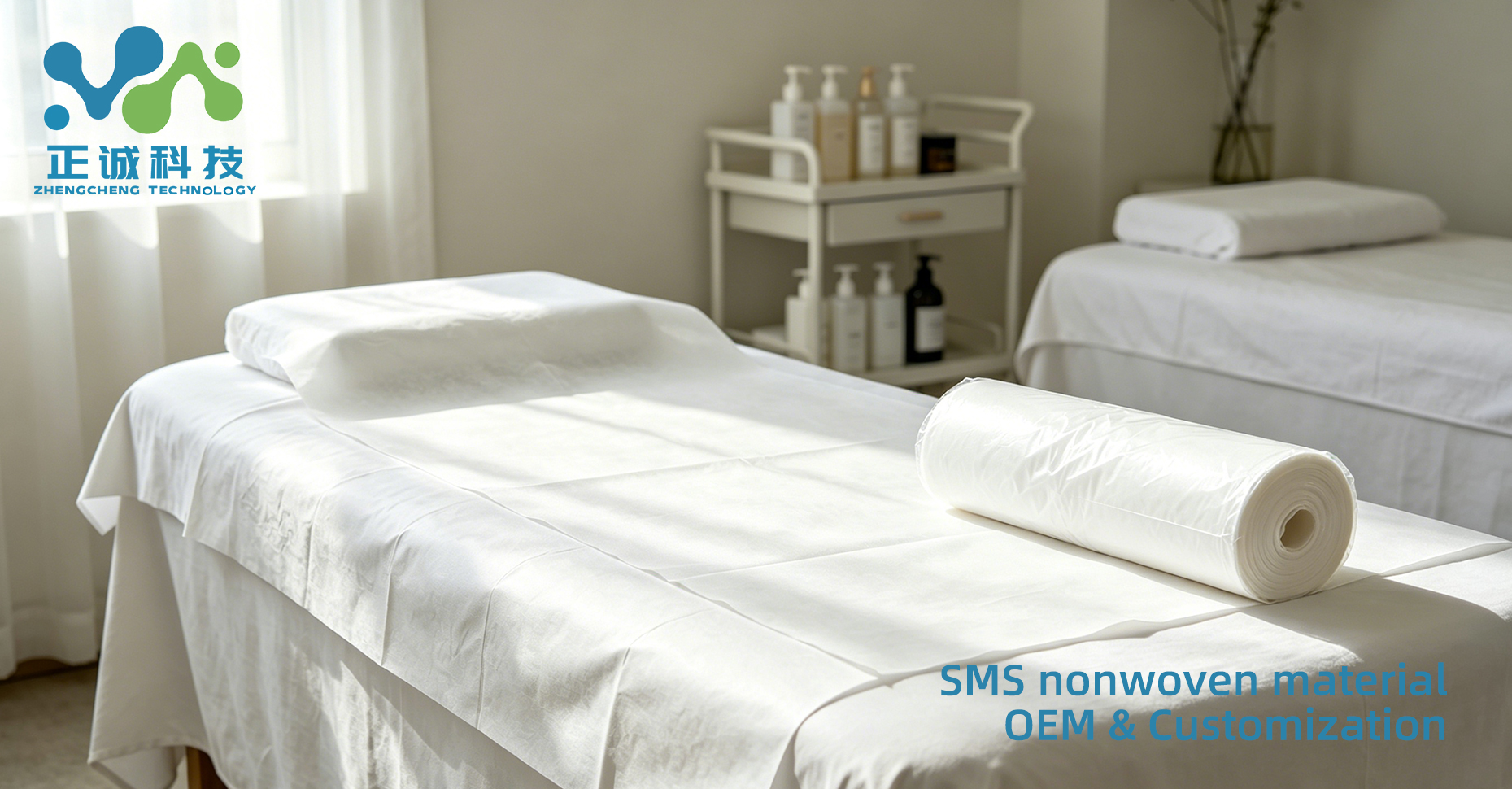
How Medical Rolls Are Sterilized: Ensuring Patient Safety
Medical rolls are essential consumables in healthcare facilities, but for surgical and invasive procedures, standard cleaning isn't enough. Sterilized medical rolls must undergo rigorous processes to eliminate all microorganisms and ensure patient safety. This comprehensive guide explores the science behind medical roll sterilization and the critical methods used in the industry.
The Critical Difference: Clean vs. Sterile
Before diving into sterilization methods, it's essential to understand the fundamental difference between clean and sterile products:
• Clean products: Free from visible dirt, dust, and contaminants
• Sterile products: Completely free from all living microorganisms, including bacteria, viruses, fungi, and spores
For medical examination rolls used in general check-ups, cleaning may be sufficient. However, for surgical procedures, only sterilized medical rolls provide the necessary protection against infections.
Common Sterilization Methods for Medical Rolls
1. Ethylene Oxide (EO) Gas Sterilization
Ethylene Oxide (EO) gas is the most widely used method for sterilizing heat-sensitive medical products like paper-based rolls. This process offers several advantages:
How it works:
- Products are placed in a vacuum chamber
- EO gas is introduced and penetrates packaging and materials
- The gas reacts with microorganisms' DNA, preventing reproduction
- Aeration process removes residual gas
Benefits:
- Effective at low temperatures (30-60°C)
- Penetrates complex packaging and materials
- Suitable for moisture-sensitive products
- Leaves minimal residue when properly processed
2. Gamma Irradiation
Gamma irradiation is another highly effective sterilization method that uses high-energy electromagnetic radiation:
Process overview:
- Products are exposed to gamma rays from Cobalt-60 sources
- Radiation disrupts microorganisms' DNA structure
- Complete penetration through packaging and materials
Advantages:
- No chemical residues
- Immediate sterility assurance
- Suitable for pre-packaged products
- Effective against all known pathogens
Considerations:
- May affect certain plastics and materials
- Requires specialized facilities
- Higher initial investment costs
The Importance of Packaging in Sterilization
For sterile medical rolls, packaging plays a crucial role in maintaining sterility from production to point of use:
Packaging Requirements
• Breathable materials to allow sterilization agents to penetrate
• Durable barriers to prevent contamination during storage and transport
• Integrity seals that maintain sterility until opened
• Clear labeling indicating sterility status and expiration dates
Common Packaging Materials
• Medical-grade paper
• Tyvek® materials
• Peelable plastic films
• Aluminum foil laminates
Quality Control and Validation
Sterilization isn't just a process - it's a science that requires rigorous validation and quality control:
Sterility Assurance Levels (SAL)
Medical device manufacturers must achieve a Sterility Assurance Level of 10⁻⁶, meaning there should be less than one chance in a million that a single viable microorganism exists on a sterilized item.
Validation Processes
• Biological indicators to test sterilization efficacy
• Chemical indicators to verify process parameters
• Physical monitoring of temperature, pressure, and time
• Regular re-validation to ensure consistent quality
Applications of Sterilized Medical Rolls
Surgical Environments
• Operating room drapes to create sterile fields
• Surgical pack components for instrument sterilization
• Patient positioning pads to prevent pressure ulcers
Critical Care Units
• Isolation room barriers for immunocompromised patients
• Burn unit dressings to prevent infection
• ICU monitoring equipment covers
Outpatient Procedures
• Endoscopy suite surface protection
• Dental surgery draping materials
• Dermatology procedure barriers
Regulatory Compliance and Standards
Manufacturers of sterilized medical consumables must comply with stringent international standards:
Key Regulations
• ISO 11135: Sterilization by ethylene oxide
• ISO 11137: Sterilization by radiation
• FDA 21 CFR Part 822: Medical device regulations
• EU Medical Device Regulation (MDR)
Documentation Requirements
• Sterilization validation reports
• Process control records
• Quality assurance documentation
• Traceability systems
Choosing the Right Sterilization Method
The selection between EO gas sterilization and gamma irradiation depends on several factors:
Material Compatibility
• EO gas: Better for heat-sensitive materials
• Gamma irradiation: Suitable for radiation-tolerant materials
Cost Considerations
• EO gas: Lower operational costs, higher labor requirements
• Gamma irradiation: Higher processing costs, lower labor needs
Environmental Factors
• EO gas: Requires emission controls and aeration
• Gamma irradiation: No chemical residues, but radiation safety protocols
Future Trends in Medical Roll Sterilization
As technology advances, new sterilization methods are emerging:
Hydrogen Peroxide Plasma
• Low-temperature sterilization
• Rapid cycle times
• Environmentally friendly
Electron Beam Sterilization
• Faster than gamma irradiation
• Lower energy consumption
• Precise dose control
Conclusion
The production of sterilized medical rolls represents a sophisticated intersection of material science, microbiology, and engineering. From the careful selection of sterilization methods to rigorous quality control and compliant packaging, every step is designed to ensure patient safety.
Healthcare professionals can have confidence that properly sterilized medical rolls provide a critical barrier against infection, protecting both patients and medical staff. As sterilization technologies continue to evolve, we can expect even safer, more efficient, and environmentally friendly processes for producing these essential medical consumables.
Understanding the science behind medical roll sterilization empowers healthcare providers to make informed decisions about the products they use in their most critical procedures.
The Structure of 3-Layer Laminated Paper: Advanced Protection for Medical Applications
Dust-Free Paper in Healthcare: Critical Applications for Patient Safety