Medical Grade Nonwoven Fabric Standards: What You Need to Know
Medical Grade Nonwoven Fabric Standards: What You Need to Know
Not all nonwoven fabrics are created equal. In the healthcare industry, materials must meet strict criteria to ensure they do not harm patients or staff. Medical grade nonwoven fabric is specially engineered to meet rigorous international standards, making it suitable for critical medical applications. Understanding these standards is essential for healthcare providers, medical device manufacturers, and procurement professionals.
The Importance of Medical Grade Standards
In 2026, patient safety and infection control remain top priorities in healthcare. The materials used in medical environments directly impact patient outcomes, staff safety, and regulatory compliance. Medical grade nonwoven fabric differs significantly from commercial-grade alternatives in its composition, performance, and certification requirements.
Key International Standards and Certifications
ISO 13485: Quality Management for Medical Devices
ISO 13485 certification is the gold standard for medical device quality management systems. This internationally recognized standard ensures that:
• The fabric is manufactured in a controlled, clean environment with documented quality processes
• There is full traceability of raw materials and production batches
• Strict quality control measures are in place throughout the manufacturing process
• The facility maintains comprehensive documentation and validation records
For medical facilities and device manufacturers, sourcing from ISO 13485-certified suppliers provides assurance of consistent quality and regulatory compliance.
Biocompatibility Testing (ISO 10993)
Biocompatibility testing is critical to ensure patient safety. The ISO 10993 standard series evaluates medical devices and materials for biological safety, including:
• Skin irritation testing to ensure the fabric does not cause adverse reactions
• Sensitization testing to prevent allergic responses
• Cytotoxicity testing to confirm the material is not toxic to cells
• Systemic toxicity testing for materials that may have broader biological impacts
These tests are essential for any medical grade nonwoven fabric that will come into direct or indirect contact with patients.
Bacterial Filtration Efficiency (BFE)
For surgical and isolation applications, bacterial filtration efficiency (BFE) is a crucial performance metric. Medical grade fabrics must demonstrate:
• High efficiency in filtering out bacteria and microorganisms
• Consistent performance under various conditions
• Compliance with ASTM F2101 or equivalent standards
• Suitable pore structure to prevent pathogen penetration
This is particularly important for surgical drapes, gowns, and isolation gowns where infection prevention is critical.
Critical Performance Properties
To be considered true medical grade nonwoven fabric, the material must possess several essential properties beyond just meeting certification standards.
Sterilization Compatibility
The fabric must be capable of withstanding common sterilization methods without degradation:
• Ethylene Oxide (EO) gas sterilization - The most common method for heat-sensitive materials
• Gamma irradiation - Provides thorough sterilization without chemical residue
• Steam sterilization - For materials that can withstand high temperatures
Sterilization compatibility ensures that the final medical products can be safely used in sterile environments.
Low Lint and Particle Shedding
Low lint characteristics are essential to prevent contamination:
• The fabric must not shed fibers that could contaminate surgical wounds
• Minimal particle generation during handling and use
• Compliance with cleanroom standards for particle emission
This is particularly important in operating rooms and other sterile environments where foreign particles can cause serious complications.
Fluid Resistance and Barrier Protection
Effective fluid resistance is critical for patient and staff protection:
• Repellency against blood, bodily fluids, and disinfectants
• Prevention of "strike-through" where liquids penetrate the barrier
• Compliance with ISO 22611 for resistance to penetration by contaminated fluids
• Appropriate hydrostatic pressure resistance for the intended application
Mechanical Strength and Durability
Medical grade fabrics must maintain structural integrity:
• Sufficient tensile strength to withstand handling and patient movement
• Tear resistance to prevent accidental breaches in the barrier
• Durability during sterilization and storage
• Consistent performance throughout the product's shelf life
Applications of Medical Grade Nonwoven Fabric
Understanding the standards helps identify appropriate applications:
Surgical Applications
• Surgical drapes and gowns
• Sterilization wraps
• Operating room pack components
• Surgical instrument covers
Patient Care Products
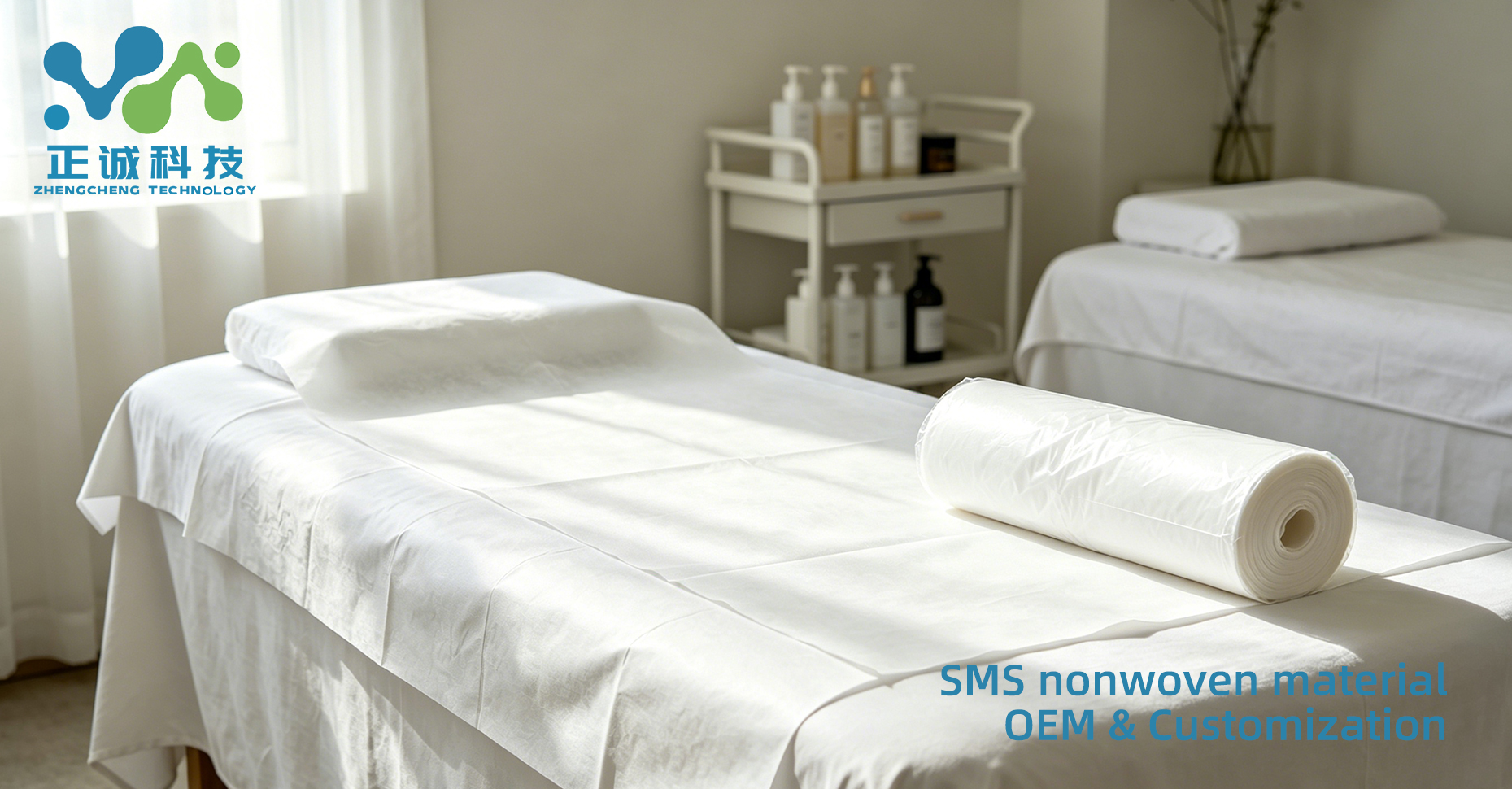
• Examination table covers
• Patient gowns and drapes
• Wound dressing components
• Medical wipes and swabs
Infection Control
• Isolation gowns and drapes
• Face mask materials
• Cleanroom apparel
• Environmental surface covers
Quality Assurance and Supplier Verification
When sourcing medical grade nonwoven fabric, it's essential to verify compliance:
Documentation Review
• Request and review current ISO 13485 certification
• Verify biocompatibility testing reports
• Check BFE and fluid resistance test results
• Review sterilization validation documentation
Material Testing
• Conduct incoming quality inspections
• Verify physical properties (strength, softness, absorbency)
• Test barrier performance
• Assess compatibility with your specific application
Supplier Audits
• Evaluate manufacturing facilities and processes
• Review quality management systems
• Assess supply chain controls
• Verify traceability systems
Conclusion
The standards for medical grade nonwoven fabric are comprehensive and rigorous for good reason. These materials play a critical role in patient safety, infection control, and regulatory compliance. When sourcing materials for medical applications, always verify that the supplier meets all relevant ISO 13485 certified fabric requirements and that the material possesses the necessary properties for your specific use case.
Compliance with these standards is not just about meeting regulatory requirements—it's about ensuring the highest level of patient care and safety in modern healthcare environments. By understanding and adhering to these standards, healthcare providers and medical manufacturers can make informed decisions that protect patients, staff, and their organizations.
Advantages of PE Film in Medical Products: The Ultimate Barrier
Water Resistance Testing for Couch Rolls: Ensuring Leak Protection