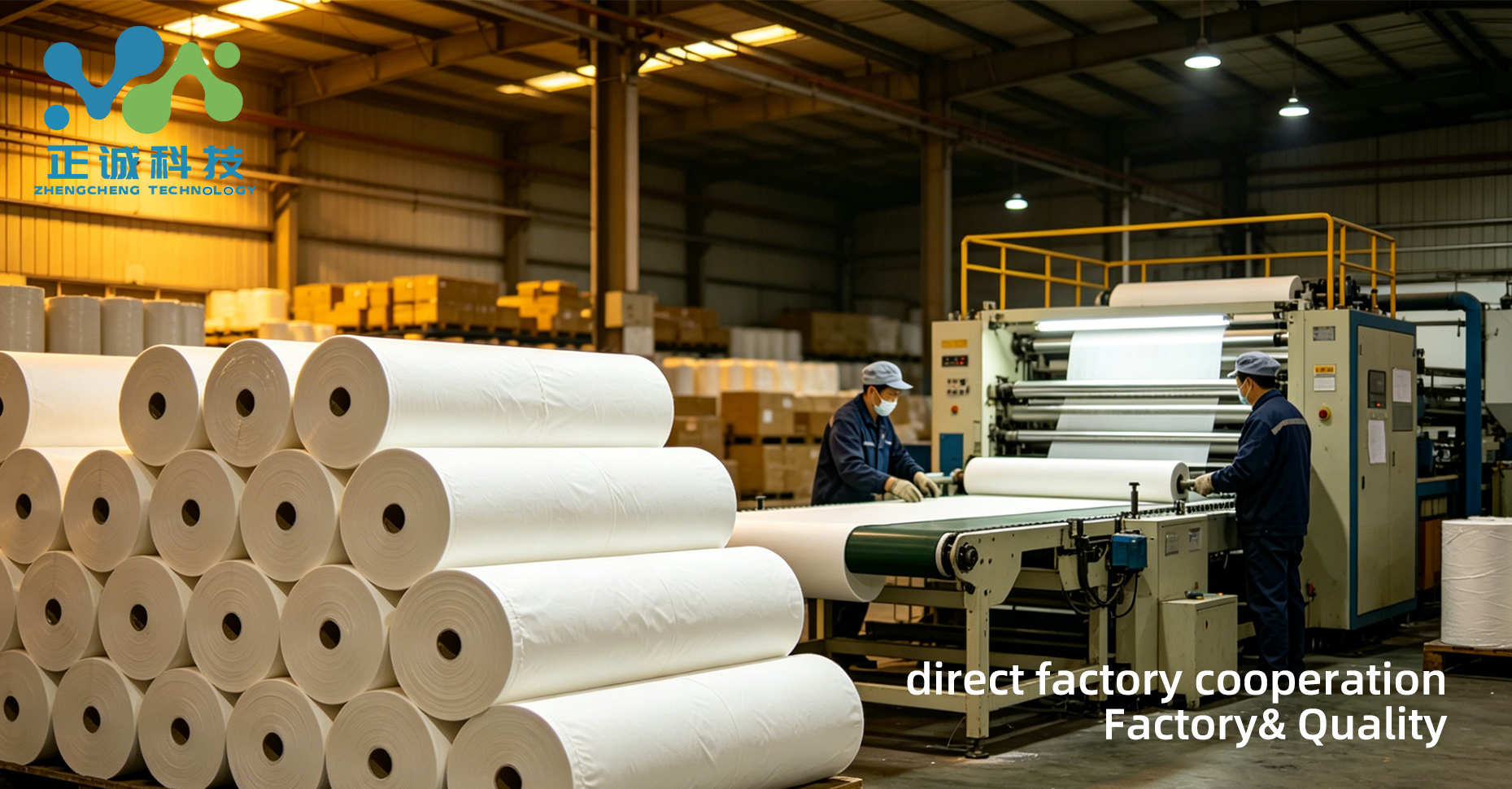
How to Audit a Medical Consumables Factory: A Complete Buyer's Guide
Introduction: The Critical Importance of Factory Audits
For global buyers in the medical industry, conducting a thorough medical factory audit is not just recommended - it's essential for business success and patient safety. In an industry where quality cannot be compromised, a comprehensive audit process helps identify reliable partners and avoid costly mistakes. This detailed guide provides everything you need to conduct an effective audit of a medical consumables supplier.
Section 1: Pre-Audit Preparation and Documentation Review
1.1 Verify Essential Certifications
The foundation of any credible medical consumables supplier begins with proper certification. During your audit, prioritize verifying:
- ISO 13485 certification: This international standard specifies requirements for a comprehensive quality management system for the design and manufacture of medical devices.
- CE marking: Indicates conformity with health, safety, and environmental protection standards for products sold within the European Economic Area.
- FDA registration: For suppliers exporting to the United States, ensure they are properly registered with the Food and Drug Administration.
- GMP compliance: Good Manufacturing Practice certification demonstrates adherence to quality standards.
1.2 Review Quality Management Systems
A robust quality management system (QMS) is non-negotiable. Ask to review:
- Document control procedures
- Corrective and preventive action (CAPA) processes
- Internal audit programs
- Management review records
- Training programs and records
Section 2: On-Site Production Facility Inspection
2.1 Evaluate the Production Environment
The physical condition of the factory speaks volumes about its commitment to quality:
Cleanliness and Organization
- Is the facility clean, well-lit, and organized?
- Are work areas free from clutter and potential contamination sources?
- Are there proper waste disposal systems in place?
Environmental Controls
- Are temperature and humidity controls appropriate for medical product manufacturing?
- Is there adequate ventilation and air filtration?
- Are there measures to prevent cross-contamination?
Worker Safety and Hygiene
- Are employees wearing appropriate personal protective equipment (PPE)?
- Are there proper handwashing and sanitation stations?
- Is there a clear dress code policy for production areas?
2.2 Raw Material Handling and Storage
Proper material handling is critical for product quality:
- Are raw materials stored off the floor on pallets or racks?
- Is there protection from moisture, dust, and other environmental factors?
- Are there clear labeling and identification systems?
- Is there a first-in, first-out (FIFO) inventory system?
Section 3: Quality Control Systems Assessment
3.1 Review Testing Procedures and Equipment
A reliable medical consumables supplier must have comprehensive quality control:
Incoming Material Inspection
- Are there documented procedures for raw material inspection?
- Is there evidence of regular testing of incoming materials?
- Are there clear acceptance criteria?
In-Process Quality Checks
- Are there checkpoints throughout the production process?
- Is testing equipment properly calibrated and maintained?
- Are operators trained in quality inspection techniques?
Final Product Testing
- What tests are performed on finished products?
- Are there statistical process control (SPC) methods in use?
- Is there a system for tracking and analyzing test results?
3.2 Examine Quality Records and Documentation
Transparency in quality documentation is crucial:
- Request to see recent quality control records
- Review non-conformance reports and corrective actions
- Examine customer complaint records and resolution processes
- Check calibration records for testing equipment
Section 4: Production Capacity and Capability Evaluation
4.1 Assess Manufacturing Equipment
The quality of equipment reflects the supplier's commitment to quality:
- Are machines well-maintained and in good working condition?
- Is the equipment modern and appropriate for medical product manufacturing?
- Are there adequate spare parts and maintenance schedules?
4.2 Evaluate Production Capacity
Ensure the supplier can meet your requirements:
Capacity Planning
- What is the factory's maximum production capacity?
- How is capacity allocated among different customers?
- Is there flexibility to accommodate order fluctuations?
Warehouse and Storage
- Is there adequate storage space for raw materials and finished goods?
- Are storage conditions appropriate for medical products?
- Is there a proper inventory management system?
Section 5: Compliance and Regulatory Considerations
5.1 Regulatory Compliance
Ensure the supplier meets all necessary regulatory requirements:
- Are products properly labeled according to destination market regulations?
- Is there documentation to support product claims?
- Are there systems in place to track regulatory changes?
5.2 Traceability Systems
Complete traceability is essential in the medical industry:
- Can the supplier trace materials from source to finished product?
- Are there batch numbering and tracking systems?
- Can they quickly identify and recall affected products if necessary?
Section 6: Business Practices and Sustainability
6.1 Business Stability and Financial Health
Assess the long-term viability of the partnership:
- How long has the company been in business?
- What is their financial stability?
- Do they have a diverse customer base?
6.2 Ethical and Sustainable Practices
Modern buyers increasingly consider ethical factors:
- Are labor practices fair and ethical?
- Are there environmental sustainability initiatives?
- Is there a commitment to continuous improvement?
Conclusion: Making an Informed Decision
Conducting a comprehensive medical factory audit is the most effective way to ensure you're partnering with a reliable medical consumables supplier. While the process may seem extensive, each step provides valuable insights that protect your business, your customers, and ultimately, patient safety.
Remember, a successful audit isn't just about checking boxes - it's about building a relationship with a supplier who shares your commitment to quality, compliance, and continuous improvement. By following this detailed checklist, you'll be well-equipped to make an informed decision that supports your business goals and maintains the highest standards of quality in the medical industry.
Invest the time in thorough due diligence, and you'll establish a partnership that delivers consistent quality, reliable supply, and peace of mind for years to come.
The Importance of ISO Certification in Medical Products
Why Global Buyers Source Disposable Products from China in 2026