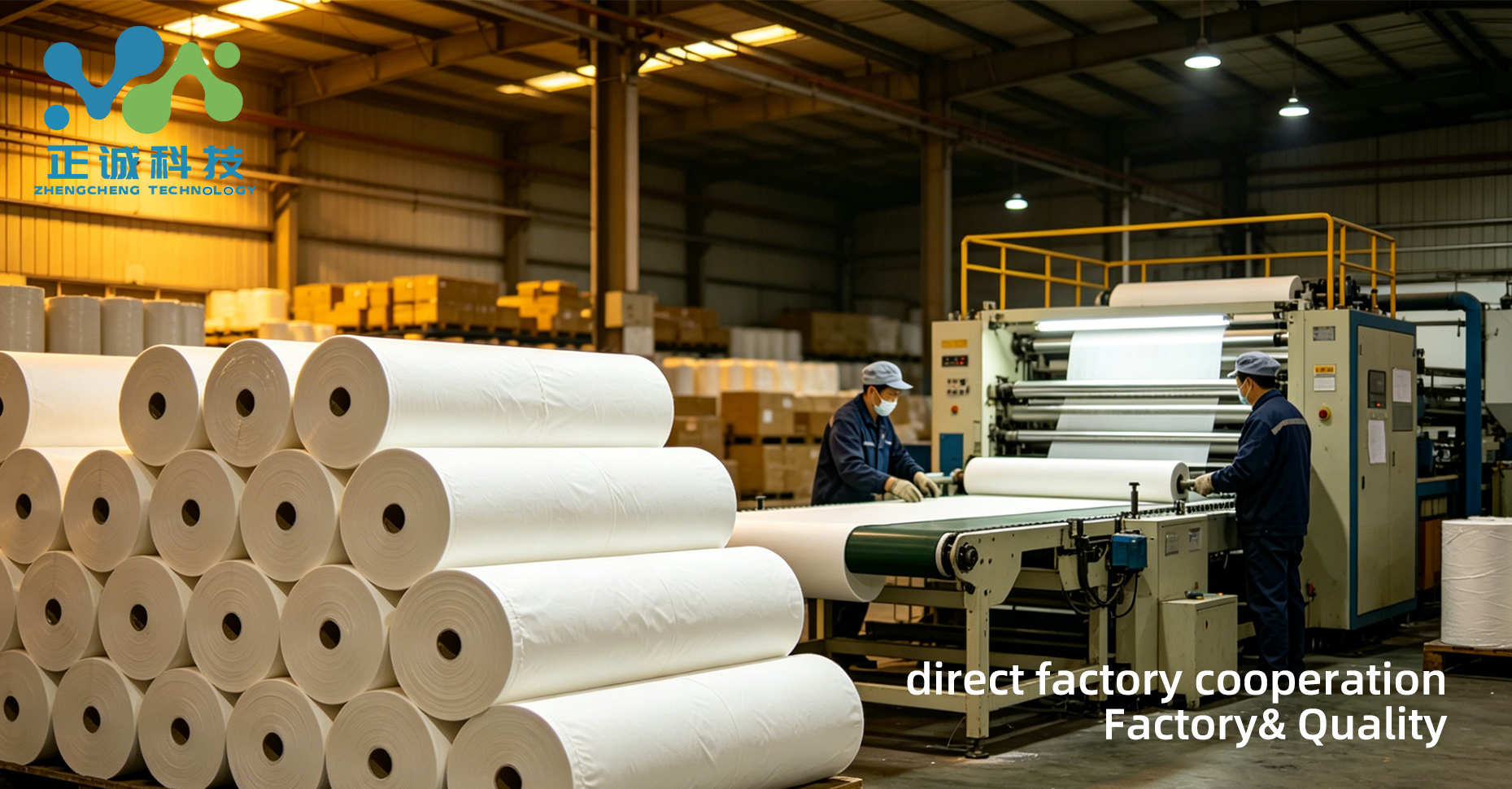
How Export Factories Pass Quality Inspections: A Guide to Compliance
Mastering Export Quality Inspections: A Comprehensive Guide for International Manufacturers
In the competitive landscape of global trade, passing export quality inspection is the critical final step before products reach international markets. For manufacturers exporting medical consumables and industrial products, achieving consistent success in these inspections demonstrates a commitment to excellence, quality assurance, and regulatory compliance. This comprehensive guide explores the sophisticated strategies and quality management systems that enable factories to consistently pass factory quality compliance audits and maintain global market access.
Building a Robust Quality Management System
The Foundation: ISO 13485 Certification
The cornerstone of successful international product certification is adherence to internationally recognized standards, particularly ISO 13485 for medical devices. This comprehensive Quality Management System (QMS) ensures that every stage of manufacturing, from raw material sourcing to final packaging, is meticulously documented, controlled, and continuously improved.
Key components of our ISO-based quality system include:
- Documented procedures for all manufacturing processes
- Full traceability from raw materials to finished products
- Risk management protocols for identifying and mitigating potential quality issues
- Continuous improvement through regular internal audits and management reviews
By implementing these rigorous standards, we create a culture of quality that ensures consistent performance in all export quality inspection processes.
Comprehensive Pre-Inspection Preparation
Documentation and Record Keeping
Successful factories understand that preparation for quality inspections begins long before the inspector arrives. Our documentation system includes:
Quality Records
- Complete batch production records
- Raw material certification documents
- In-process quality control test results
- Final product inspection reports
Compliance Documentation
- Valid ISO certifications and audit reports
- Product test reports and validation data
- Regulatory compliance certificates
- Customer complaint and corrective action records
Internal Pre-Audit Process
Before any third-party inspection, we conduct a thorough internal audit that includes:
Facility Readiness
- Verification of cleanroom conditions and environmental controls
- Calibration status of all testing equipment
- Validation of production processes
- Review of employee training records
Product Readiness
- Final inspection of all products in the shipment
- Verification of packaging and labeling accuracy
- Confirmation of quantity and product specifications
- Preparation of all required documentation
The Third-Party Inspection Process
Working with Accredited Inspection Agencies
We maintain strong relationships with leading third-party inspection agencies such as SGS, Intertek, and Bureau Veritas. Our transparent approach to factory quality compliance includes:
Inspection Coordination
- Advance scheduling and planning
- Dedicated inspection team support
- Complete access to facilities and records
- Immediate response to inspector requests
Key Inspection Areas
During the export quality inspection, inspectors typically focus on several critical areas:
Quantity and Packaging Verification
- Confirmation that shipment quantity matches purchase order specifications
- Verification of packaging integrity and protection levels
- Inspection of palletization and loading methods
- Review of labeling and documentation accuracy
Visual Quality Assessment
- Detailed inspection for surface defects, stains, or imperfections
- Verification of printing clarity and accuracy
- Assessment of product consistency and appearance
- Inspection of packaging for damage or defects
Performance and Safety Testing
- Random sample testing for key performance metrics
- Verification of dimensional accuracy and specifications
- Testing of functional requirements
- Safety and compliance verification
Advanced Quality Control Testing Methods
Material Verification
- Raw material testing for composition and quality
- GSM verification for material weight consistency
- Tensile strength testing for durability
- Absorbency testing for performance characteristics
Product Performance Testing
- Water resistance testing for waterproof products
- Barrier property verification for medical applications
- Sterility assurance for sterile products
- Biocompatibility testing for medical devices
Continuous Improvement and Lessons Learned
Root Cause Analysis and Corrective Actions
Each inspection, whether successful or identifying areas for improvement, provides valuable learning opportunities. Our continuous improvement process includes:
Non-Conformance Management
- Detailed root cause analysis of any issues
- Development of effective corrective and preventive actions
- Implementation of process improvements
- Verification of effectiveness through follow-up testing
Process Optimization
- Regular review and update of quality procedures
- Employee training on lessons learned
- Investment in new testing equipment and technologies
- Collaboration with suppliers for improved material quality
The Benefits of Consistent Compliance Success
For Manufacturers
- Enhanced reputation in the global marketplace
- Increased customer trust and loyalty
- Reduced risk of product recalls and returns
- Competitive advantage in international trade
- Lower inspection costs through established trust
For International Buyers
- Assurance of product quality and safety
- Confidence in supply chain reliability
- Compliance with local regulatory requirements
- Protection of brand reputation
- Reduced risk of customs delays or rejections
Conclusion: Quality as a Strategic Advantage
In today's global economy, consistently passing export quality inspection is more than just meeting requirements - it's about building a reputation for excellence and reliability. Through our commitment to international standards, rigorous quality control processes, and continuous improvement, we ensure that every shipment leaving our facility meets the highest quality and compliance standards.
For manufacturers seeking to expand into international markets, investing in a robust quality management system is not just a regulatory requirement - it's a strategic advantage that opens doors to new opportunities and builds long-term customer relationships.
By prioritizing factory quality compliance and maintaining a culture of continuous improvement, we demonstrate our commitment to quality, safety, and customer satisfaction in every product we manufacture and every inspection we undergo.
How We Support Distributors Worldwide: Your Growth Partner
Factory Tour: Inside the Disposable Bed Roll Production Line