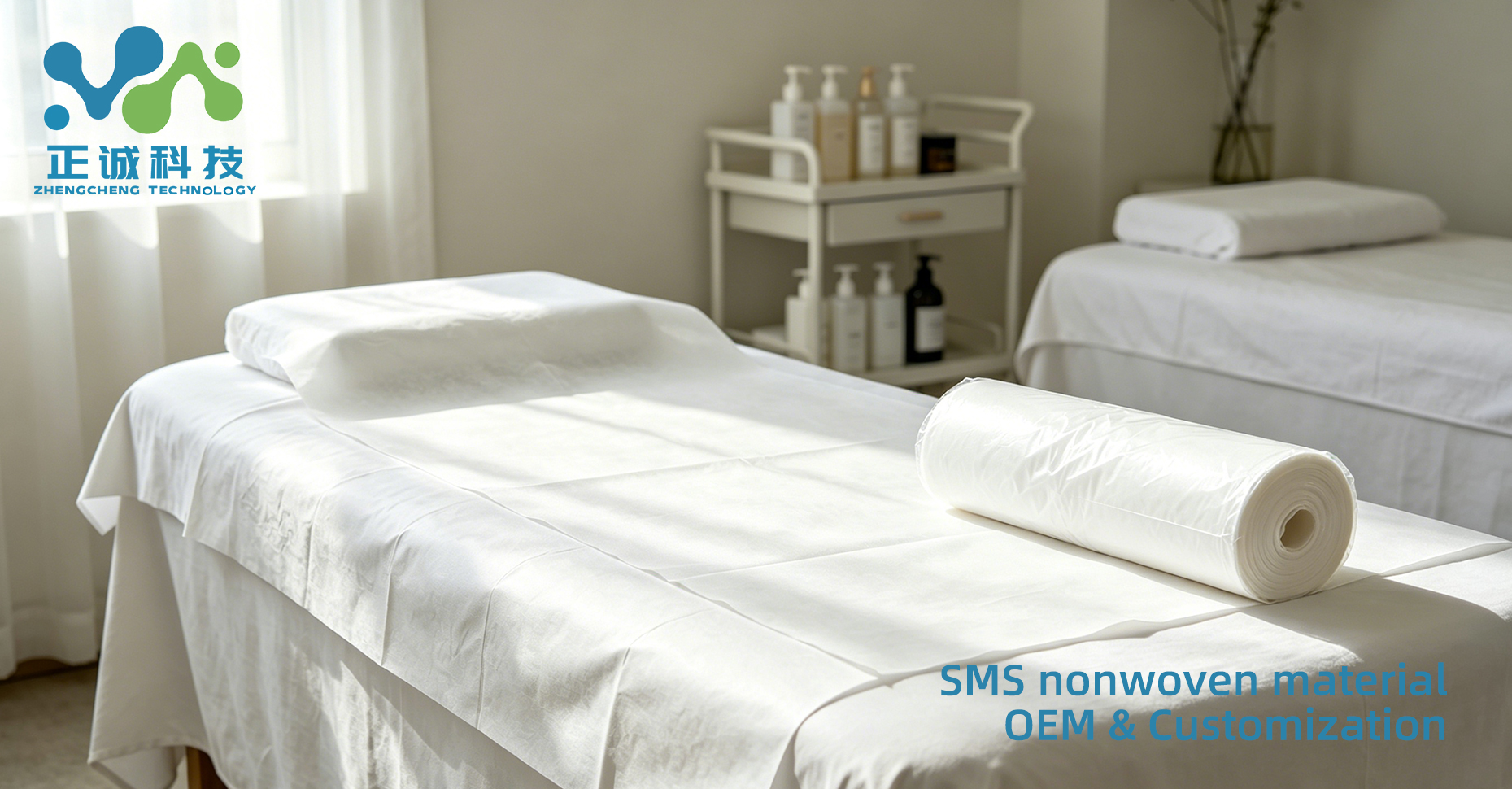
Water Resistance Testing for Couch Rolls: Ensuring Leak Protection
Water Resistance Testing for Couch Rolls: Ensuring Leak Protection
In medical and clinical environments, the ability of couch rolls to resist water and other fluids is not just a feature—it's a critical safety requirement. Water resistance couch roll testing ensures that examination tables, surgical surfaces, and patient beds remain protected from fluid contamination, maintaining both equipment integrity and patient safety.
Why Water Resistance is Non-Negotiable in Medical Settings
For any medical roll used in environments with bodily fluids, disinfectants, or other liquids, water resistance is an essential characteristic. The consequences of inadequate waterproofing can be severe:
- Cross-contamination risk: Fluids penetrating the barrier can contaminate examination tables
- Equipment damage: Moisture can damage expensive medical equipment
- Infection control failure: Compromised barriers increase the risk of pathogen transmission
- Patient discomfort: Wet surfaces create an unpleasant experience
Standardized Testing Methods for Water Resistance
Manufacturers employ several scientific methods to guarantee that couch rolls provide reliable waterproof protection. These medical barrier testing procedures are designed to simulate real-world conditions and ensure consistent performance.
The Cobb Test: Measuring Water Absorption
The Cobb test is one of the most common and reliable methods for evaluating water resistance in paper products. This standardized test measures the amount of water absorbed by the paper surface over a specific period, typically 2 minutes.
How it works:
- A sample of the couch roll material is placed in a specialized Cobb ring
- A measured amount of distilled water is added to the surface
- After the specified time, the water is removed and the weight gain of the sample is measured
Interpretation of results:
- High-quality PE-coated rolls: Should show near-zero water absorption on the coated side
- Standard medical rolls: Typically have Cobb values below 50 g/m²
- Premium surgical drapes: Often achieve Cobb values below 10 g/m²
The significance of low absorption cannot be overstated. In clinical settings, this ensures that blood, saliva, urine, or disinfectants will not penetrate the barrier, maintaining a sterile environment.
Hydrostatic Pressure Test: Resistance Under Pressure
For higher-grade waterproof materials used in surgical or high-risk environments, the hydrostatic pressure test provides a more rigorous evaluation. This test measures the resistance of the material to water penetration under increasing pressure.
Applications:
- Surgical drapes and gowns
- Heavy-duty examination rolls
- Critical care environments
Why it matters: This test is crucial because it simulates real-world conditions where pressure is applied to the surface—such as when a patient lies on the roll or when medical staff lean against the examination table. Materials that pass this test demonstrate superior resistance to fluid penetration even under stress.
Visual Inspection and Dye Testing
In addition to quantitative tests, simple yet effective visual inspection methods are used during quality control. One common technique is the dye test:
Dye test procedure:
- A colored liquid (often food coloring or specialized dye) is placed on the surface
- The material is observed for any penetration to the other side
- Results are documented for quality assurance
This method provides immediate visual confirmation of the barrier's effectiveness and is particularly useful for detecting pinhole defects or inconsistent coating.
Advanced Testing for Medical-Grade Protection
Beyond the standard tests, premium manufacturers employ additional quality control measures:
Strike-through resistance testing
This evaluates the material's ability to prevent fluids from penetrating under pressure, simulating conditions when patients move or shift their weight on the examination table.
Multiple fluid resistance testing
Since medical environments encounter various fluids, advanced testing includes exposure to:
- Blood and bodily fluids
- Alcohol-based disinfectants
- Iodine solutions
- Saline solutions
Long-term durability testing
Materials are tested for water resistance after:
- Multiple handling cycles
- Extended storage periods
- Exposure to different temperature and humidity conditions
Quality Standards and Certifications
Reputable manufacturers adhere to international standards for medical device materials:
- ISO 11193: Standards for medical gloves and protective barriers
- ASTM F903: Standard test method for resistance of materials to penetration by liquids
- EN 13795: Standards for surgical drapes, gowns, and clean air suits
Conclusion: Ensuring Reliable Protection
Reliable water resistance couch roll testing is the foundation of quality medical consumables. By employing rigorous scientific methods such as the Cobb test, hydrostatic pressure testing, and comprehensive quality control procedures, manufacturers can guarantee that their products will perform when it matters most.
For healthcare facilities, choosing products that have undergone thorough medical barrier testing ensures:
- Maximum patient safety through effective fluid containment
- Equipment protection from costly damage
- Compliance with infection control regulations
- Operational efficiency through reliable performance
When evaluating couch roll suppliers, always inquire about their testing protocols and certification standards. The investment in quality-tested, waterproof materials is an investment in patient safety, regulatory compliance, and the long-term success of your medical facility.
Medical Grade Nonwoven Fabric Standards: What You Need to Know
How Strong Should Medical Paper Be? Understanding Tensile Strength