How Factories Ensure Stable Supply of Medical Products
Building Resilient Supply Chains in the Medical Industry
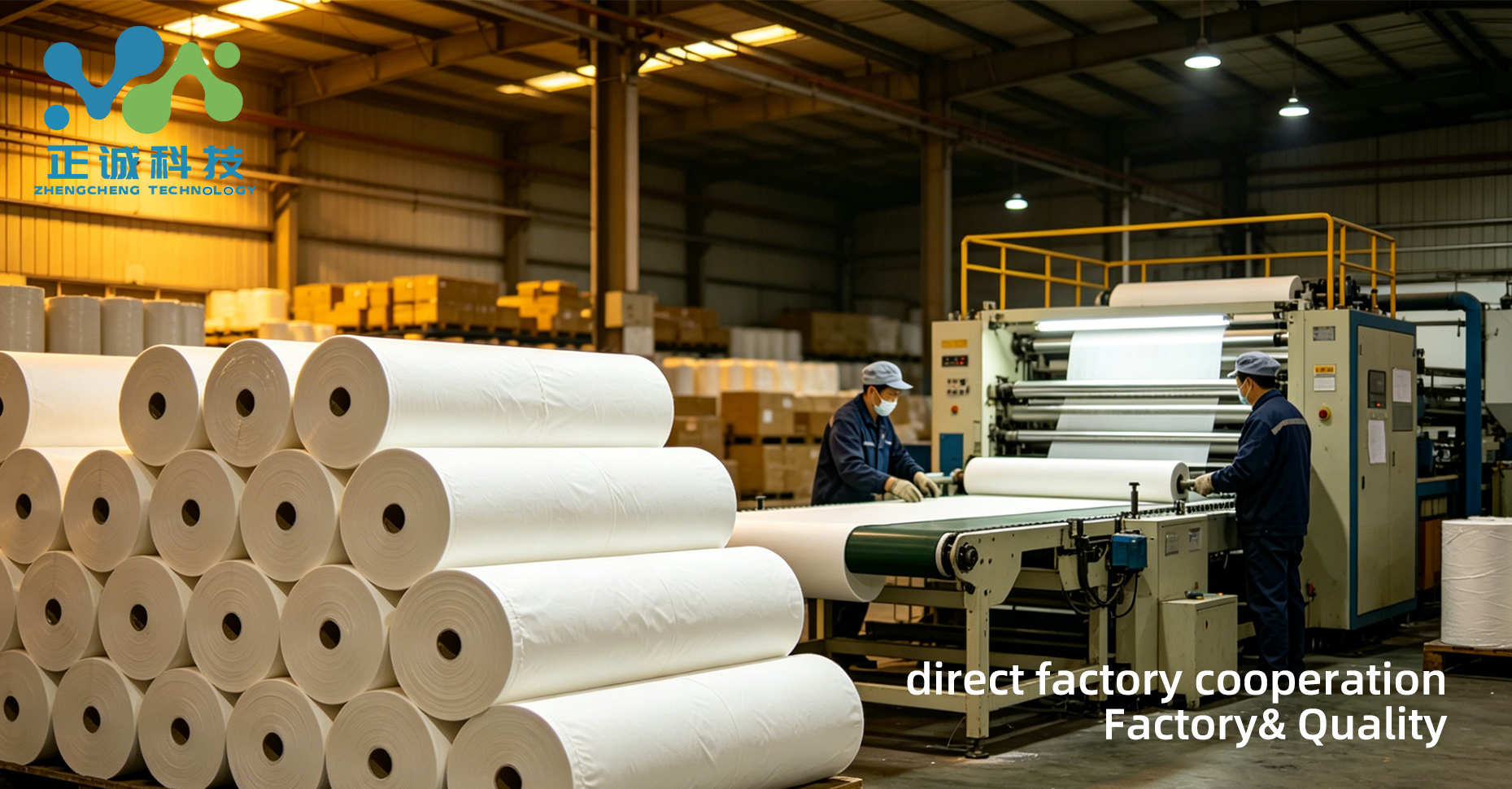
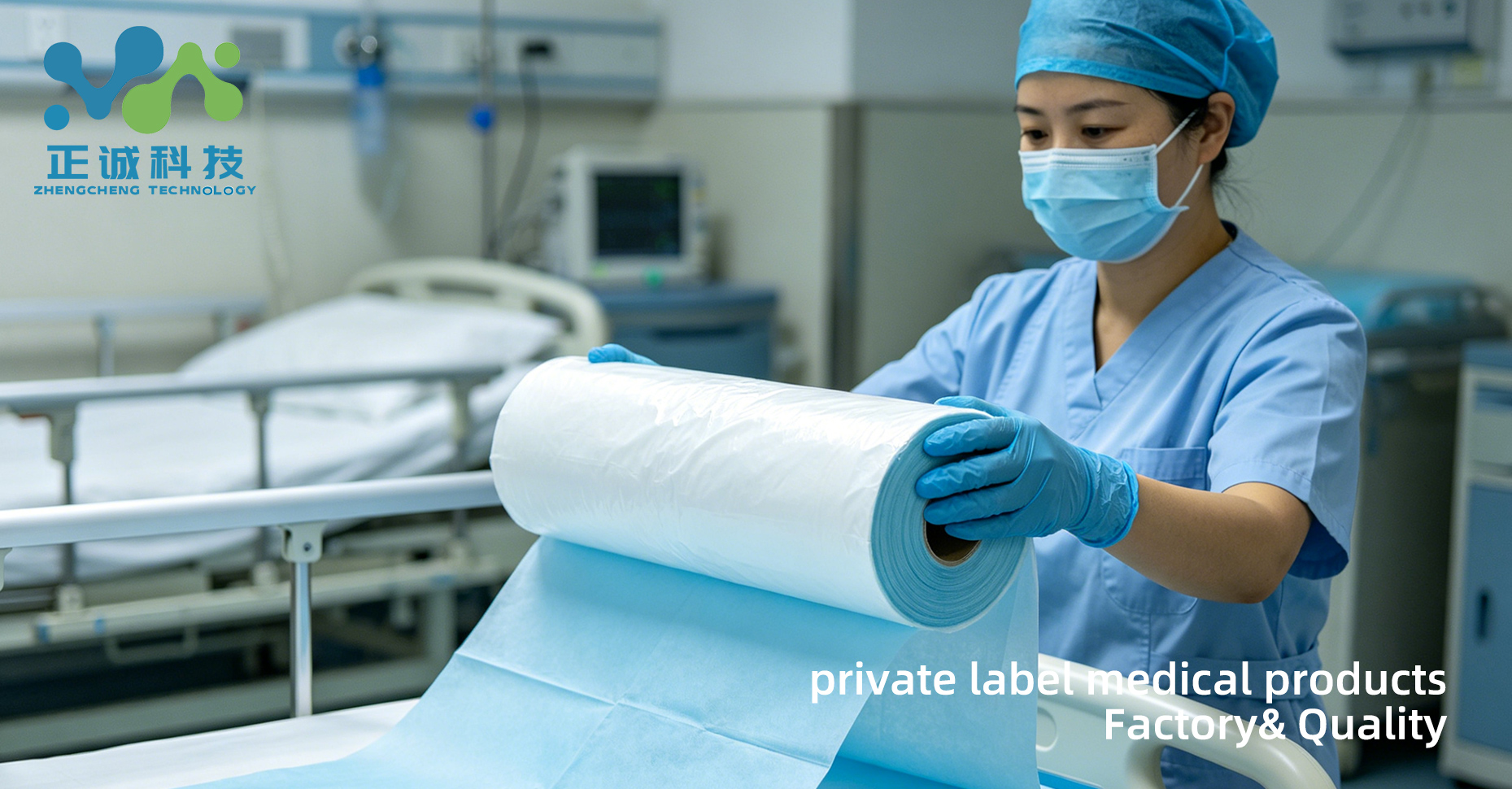
In today's unpredictable global market, stable supply medical products have become a critical concern for healthcare providers, distributors, and end-users alike. The medical consumables industry operates in a high-stakes environment where supply chain disruptions can have far-reaching consequences, from delayed patient care to increased operational costs. This comprehensive guide explores the sophisticated strategies modern factories employ to ensure continuous availability of essential medical products.
Strategic Raw Material Reserves: The First Line of Defense
The foundation of any reliable supply chain begins with raw material availability. Leading manufacturers understand that medical product inventory management starts at the very beginning of the production cycle.
Bulk Purchasing and Long-term Contracts
By establishing long-term relationships with trusted suppliers and purchasing raw materials in bulk, factories can secure favorable pricing while ensuring consistent availability. This approach protects against short-term market fluctuations, price volatility, and sudden supply shortages.
Advanced Inventory Management Systems
State-of-the-art inventory management systems use predictive analytics to forecast material requirements based on historical data, market trends, and production schedules. These systems automatically trigger reordering when stock levels reach predetermined thresholds, preventing unexpected shortages.
Diversified Supplier Network
Relying on a single supplier for critical raw materials is a recipe for disaster. Forward-thinking factories maintain relationships with multiple suppliers across different geographic regions. This supply chain risk mitigation strategy ensures that if one supplier experiences disruptions, alternative sources are readily available.
Capacity Planning and Production Flexibility
Buffer Capacity for Unexpected Demand
Unlike traditional manufacturing models that operate at maximum capacity, modern medical product factories maintain strategic buffer capacity. This allows them to:
- Handle urgent orders without disrupting regular production schedules
- Accommodate sudden spikes in demand due to seasonal fluctuations or unexpected market events
- Provide flexibility for product customization and special requests
Predictive Maintenance Programs
Unplanned equipment downtime is one of the biggest threats to supply stability. Through the implementation of predictive maintenance programs that use IoT sensors and machine learning algorithms, factories can:
- Monitor equipment health in real-time
- Schedule maintenance during planned downtime
- Replace parts before they fail, minimizing production interruptions
Cross-trained Workforce
A flexible workforce that can operate multiple machines and perform various tasks ensures that production can continue even when key personnel are unavailable. This cross-training approach enhances operational resilience and reduces dependency on specific individuals.
Diversified Logistics and Distribution Networks
Multiple Transportation Modalities
Relying solely on one mode of transportation (such as ocean freight) exposes supply chains to significant risks. Comprehensive logistics strategies include:
- Ocean freight for cost-effective, high-volume shipments
- Air freight for urgent or time-sensitive deliveries
- Land transportation for regional distribution
- Multi-modal solutions that combine different transportation methods for optimal efficiency
Geographically Diverse Distribution Centers
Maintaining distribution centers in strategic locations around the world reduces lead times and provides alternative shipping routes. This geographic diversification protects against regional disruptions such as natural disasters, port congestion, or political instability.
Freight Forwarder Partnerships
Establishing strong relationships with multiple freight forwarders gives factories the flexibility to choose the most reliable and cost-effective shipping options. These partnerships also provide valuable market intelligence about shipping conditions and potential disruptions.
Technology-Driven Supply Chain Visibility
Real-time Tracking Systems
Advanced tracking technologies provide end-to-end visibility of products throughout the supply chain. From the moment raw materials enter the factory to the final delivery at the customer's doorstep, every movement is monitored and recorded.
Blockchain for Traceability
Blockchain technology ensures complete traceability of products, providing immutable records of every transaction and movement. This enhances transparency, builds trust with customers, and simplifies compliance with regulatory requirements.
AI-Powered Demand Forecasting
Artificial intelligence algorithms analyze vast amounts of data to predict future demand with remarkable accuracy. These forecasts inform production planning, inventory management, and logistics scheduling, reducing the risk of overproduction or stockouts.
Quality Control: The Unsung Hero of Supply Stability
In-Process Quality Monitoring
By implementing rigorous quality control measures at every stage of production, factories minimize waste and rework. This not only ensures product consistency but also prevents supply disruptions caused by quality-related production halts.
Supplier Quality Assurance Programs
Comprehensive supplier quality programs ensure that incoming raw materials meet strict specifications. This reduces the risk of production delays due to material defects or non-conformities.
Conclusion: The Competitive Advantage of Supply Chain Resilience
In an industry where reliability is paramount, factories that prioritize stable supply medical products gain a significant competitive advantage. By implementing sophisticated inventory management systems, maintaining production flexibility, diversifying logistics channels, and leveraging advanced technologies, these manufacturers ensure business continuity for themselves and their customers.
For healthcare providers and distributors, partnering with factories that have robust supply chain resilience strategies means:
- Confidence in product availability when needed
- Reduced risk of operational disruptions
- Improved patient care through consistent supply of essential medical products
- Stronger business relationships built on trust and reliability
As the medical industry continues to evolve, the factories that invest in resilient supply chain infrastructure will be best positioned to meet the growing demands of healthcare providers and ultimately contribute to better patient outcomes worldwide.
Why Global Buyers Source Disposable Products from China in 2026
OEM Manufacturing Process Step by Step: From Concept to Shelf