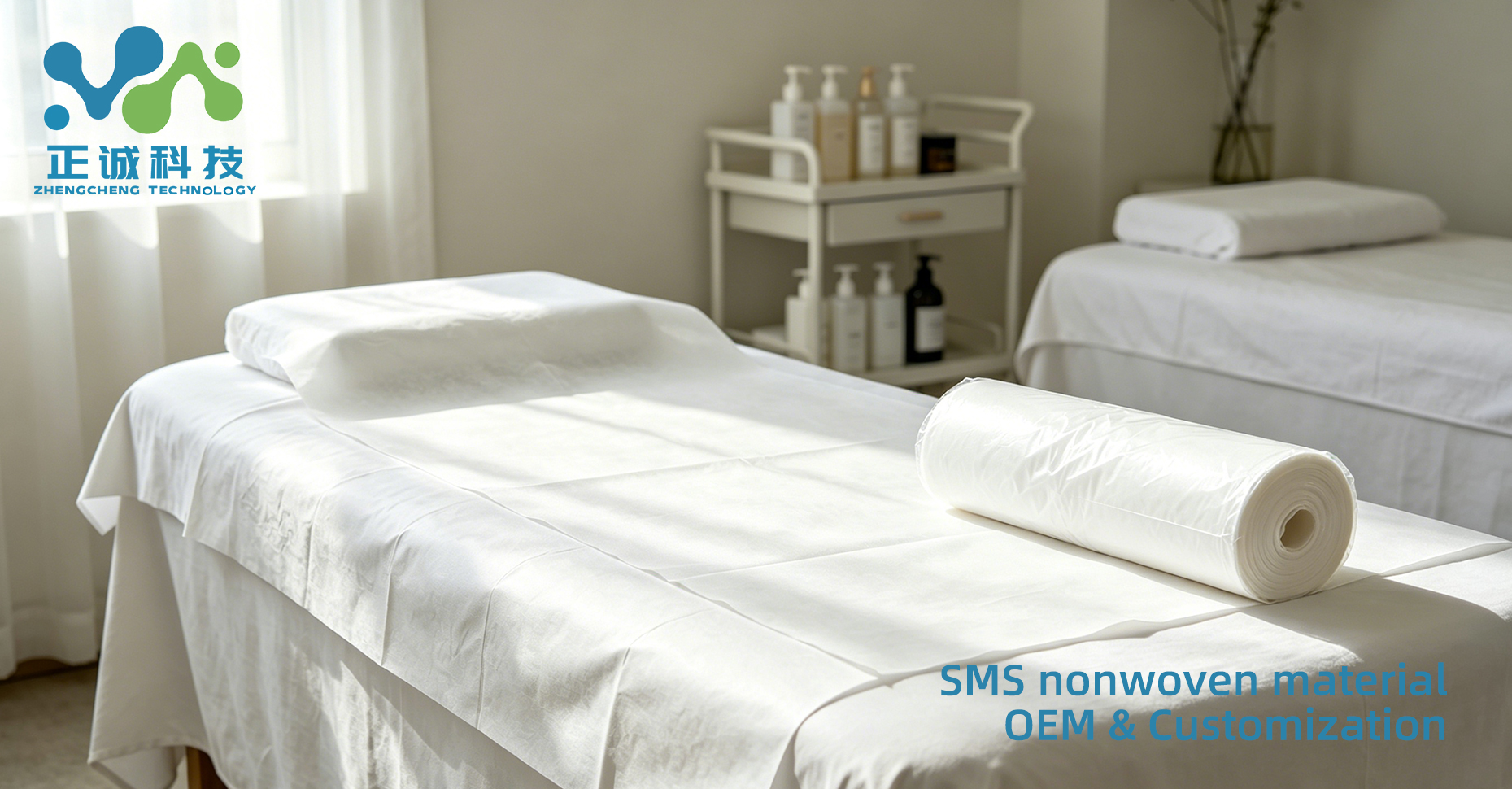
What Is Breathable Nonwoven Fabric? The Ultimate Guide to Medical-Grade Breathable Materials
Understanding Breathable Nonwoven Fabric: The Science of Comfort and Protection
In the world of medical textiles, breathable nonwoven fabric represents a significant technological advancement that perfectly balances patient comfort with essential protection. This innovative material has revolutionized healthcare environments by addressing a critical challenge: how to maintain sterile conditions without compromising comfort during prolonged medical procedures.
What Exactly Is Breathable Nonwoven Fabric?
Breathable nonwoven fabric is a specially engineered material that combines the protective qualities of traditional nonwoven fabrics with enhanced air permeability. Unlike conventional waterproof barriers that can cause discomfort through heat buildup, this advanced material allows for natural ventilation while maintaining its protective functions.
The term "breathable" in medical textiles refers to a material's ability to permit the passage of water vapor and air molecules while effectively blocking liquid water, bacteria, and other contaminants. This dual functionality makes it an ideal choice for various medical applications where both hygiene and comfort are paramount.
The Engineering Behind the Innovation
Micro-Structure Design
The secret to breathable nonwoven fabric lies in its precisely engineered micro-structure. Through advanced manufacturing processes, synthetic fibers (typically polypropylene) are bonded together to create a network of microscopic pores with specific characteristics:
• Size-selective filtration: The pores are engineered to be large enough to allow water vapor molecules (sweat) to pass through, yet small enough to block liquid water droplets, bacteria, and other pathogens
• Controlled porosity: The density and distribution of pores are carefully calibrated to optimize both breathability and protective qualities
• Surface tension manipulation: The material's surface properties are designed to repel liquids while attracting and wicking away moisture vapor
Manufacturing Process
The production of medical-grade breathable nonwoven fabric involves several sophisticated steps:
- Fiber extrusion: High-purity polymer resins are melted and extruded into continuous filaments
- Web formation: Fibers are randomly deposited to create a uniform web structure
- Bonding process: Thermal, chemical, or mechanical methods are used to bond fibers at contact points
- Surface treatment: Special coatings or treatments may be applied to enhance specific properties
- Quality control: Rigorous testing ensures consistent performance characteristics
Why Breathability Matters in Healthcare Settings
Patient Comfort and Safety
For patients undergoing extended procedures or requiring prolonged bed rest, the benefits of fluid-resistant breathable fabric are substantial:
• Temperature regulation: Allows body heat to dissipate, preventing overheating and discomfort
• Moisture management: Wicks away sweat, keeping skin dry and reducing the risk of skin breakdown
• Reduced anxiety: Enhanced comfort contributes to lower patient stress levels
• Improved outcomes: Comfortable patients are more likely to remain still and cooperative during procedures
Healthcare Worker Benefits
Medical professionals also reap significant benefits from working with breathable medical barrier materials:
• Enhanced performance: Comfortable staff can maintain focus and precision during long procedures
• Reduced fatigue: Better temperature regulation prevents exhaustion from heat stress
• Increased compliance: Healthcare workers are more likely to consistently use protective equipment when it's comfortable
• Better ergonomics: Flexible, breathable materials allow for greater range of motion
Key Applications in Medical Environments
Surgical Settings
• Surgical gowns and drapes: Provide sterile barriers while allowing surgeons to remain cool and focused
• Patient positioning pads: Offer pressure relief with moisture-wicking capabilities
• Instrument covers: Protect equipment while allowing heat dissipation from electronic components
Diagnostic and Examination Areas
• Examination table covers: Maintain hygiene standards without causing patient discomfort
• Patient gowns: Provide dignity and modesty with enhanced comfort features
• Ultrasound procedure sheets: Allow for equipment access while maintaining patient warmth
Long-term Care and Rehabilitation
• Bed linens and mattress covers: Combine infection control with pressure ulcer prevention
• Wheelchair cushions: Provide support with enhanced airflow
• Wound care dressings: Allow for moisture exchange while protecting from external contaminants
Performance Advantages Over Traditional Materials
Compared to Standard Nonwoven Fabrics
While traditional nonwoven materials offer excellent barrier properties, they often fall short in comfort metrics. Breathable nonwoven fabric addresses these limitations:
• Air permeability: 5-10 times higher than standard nonwovens
• Moisture vapor transmission: Significantly improved, reducing skin maceration risk
• Thermal comfort: Lower surface temperatures during extended use
• User compliance: Higher acceptance rates among patients and staff
Versus Woven Fabrics
Compared to traditional woven textiles, medical breathable nonwoven fabric offers:
• Consistent performance: Uniform properties across the entire material
• Cost-effectiveness: Generally more affordable than high-performance woven alternatives
• Single-use convenience: Eliminates laundering requirements and associated infection risks
• Predictable quality: Batch-to-batch consistency for reliable performance
Quality Standards and Testing
Industry Certifications
High-quality breathable nonwoven fabric must meet rigorous standards:
• ASTM F1930: Standard test method for evaluating thermal protective performance
• ISO 22611: Test method for determination of resistance to dry microbial penetration
• AAMI PB70: Classification of protective apparel and drapes
• ISO 13934-1: Tensile strength testing for textiles
Key Performance Metrics
When evaluating fluid-resistant breathable fabric, consider these critical factors:
• Air permeability: Measured in cubic feet per minute (CFM)
• Moisture vapor transmission rate (MVTR): Grams per square meter per 24 hours
• Hydrostatic pressure resistance: Centimeters of water column
• Bacterial filtration efficiency (BFE): Percentage of particles filtered
• Tensile strength: Force required to break the material
Environmental Considerations
As sustainability becomes increasingly important in healthcare, manufacturers of breathable nonwoven fabric are developing more eco-friendly options:
• Biodegradable formulations: Materials designed to break down more quickly in landfill conditions
• Recyclable components: Use of polymers that can be processed in existing recycling streams
• Reduced material usage: Thinner, more efficient designs that maintain performance
• Energy-efficient production: Manufacturing processes that minimize environmental impact
Future Developments and Innovations
The field of breathable medical barrier materials continues to evolve with exciting advancements:
• Smart textiles: Integration of sensors for real-time patient monitoring
• Antimicrobial enhancements: Built-in pathogen-reducing technologies
• Phase-change materials: Temperature-regulating properties for enhanced comfort
• Nanotechnology applications: Ultra-fine pore structures for improved performance
Choosing the Right Breathable Nonwoven Fabric
When selecting medical-grade breathable nonwoven fabric for your facility, consider:
• Application-specific requirements: Match material properties to intended use
• Regulatory compliance: Ensure adherence to relevant healthcare standards
• Cost-benefit analysis: Balance performance needs with budget constraints
• Supplier reputation: Choose manufacturers with proven quality and reliability
• Environmental impact: Consider sustainability factors in decision-making
Conclusion: The Future of Medical Textiles
Breathable nonwoven fabric represents a significant milestone in the evolution of medical materials, successfully bridging the gap between essential protection and human comfort. As healthcare continues to prioritize patient-centered care, this innovative material will play an increasingly important role in creating safer, more comfortable medical environments.
By understanding the science behind fluid-resistant breathable fabric and its diverse applications, healthcare providers can make informed decisions that enhance both clinical outcomes and patient experiences. As technology continues to advance, we can expect even more sophisticated solutions that further improve the balance between protection, comfort, and sustainability in medical textiles.
What GSM Is Best for Couch Rolls? The Ultimate Buyer's Guide
How Waterproof Layers Work in Medical Rolls: The Science of Protection