How Automatic Machines Improve Product Consistency in Medical Manufacturing
The Automation Revolution in Medical Manufacturing
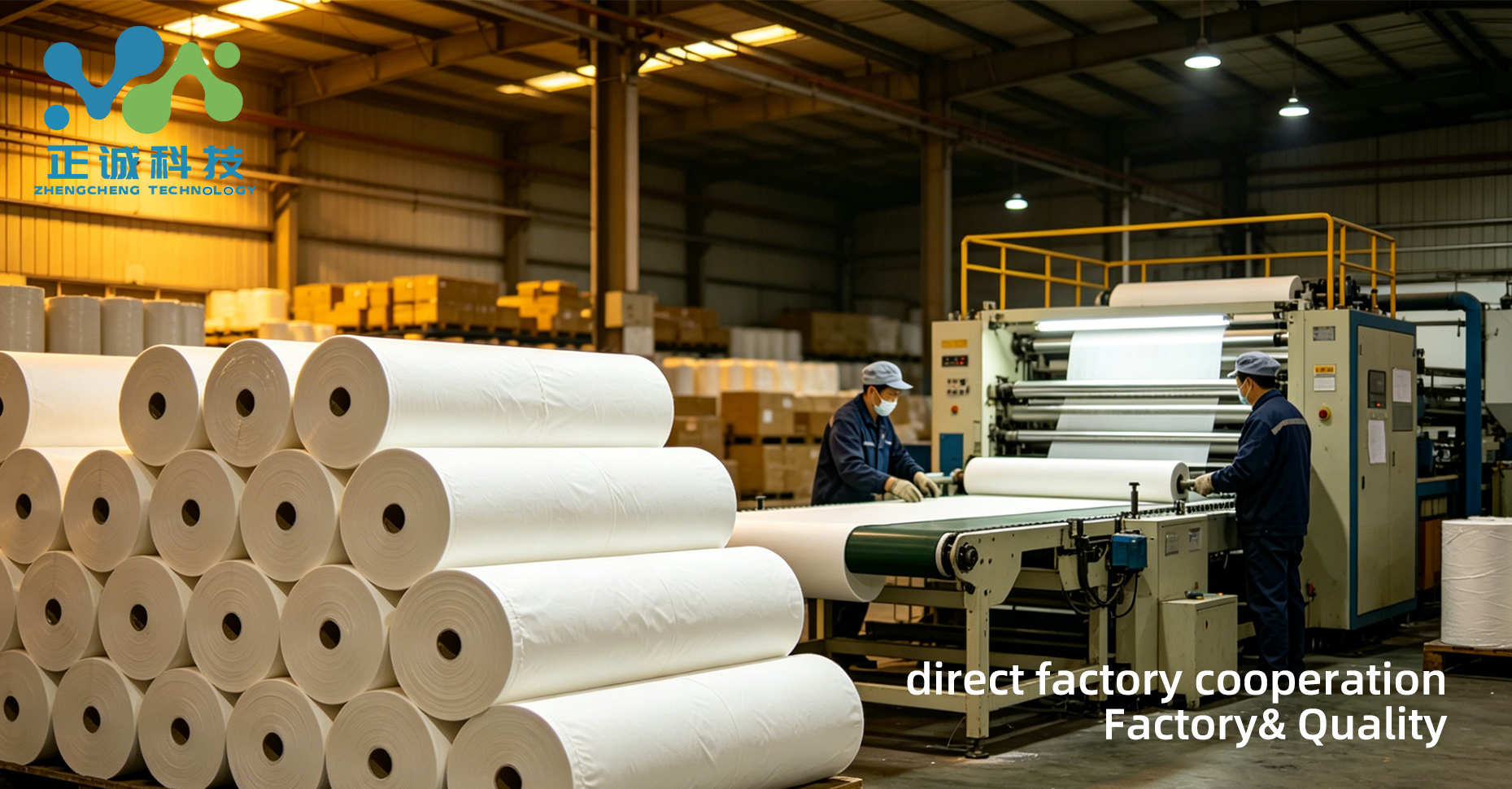
In 2026, the medical consumables industry is experiencing a technological transformation. The shift from traditional manual production to advanced automatic production lines is not just about increasing output - it's about achieving unprecedented levels of product consistency that are critical for medical applications.
Why Consistency Matters in Medical Products
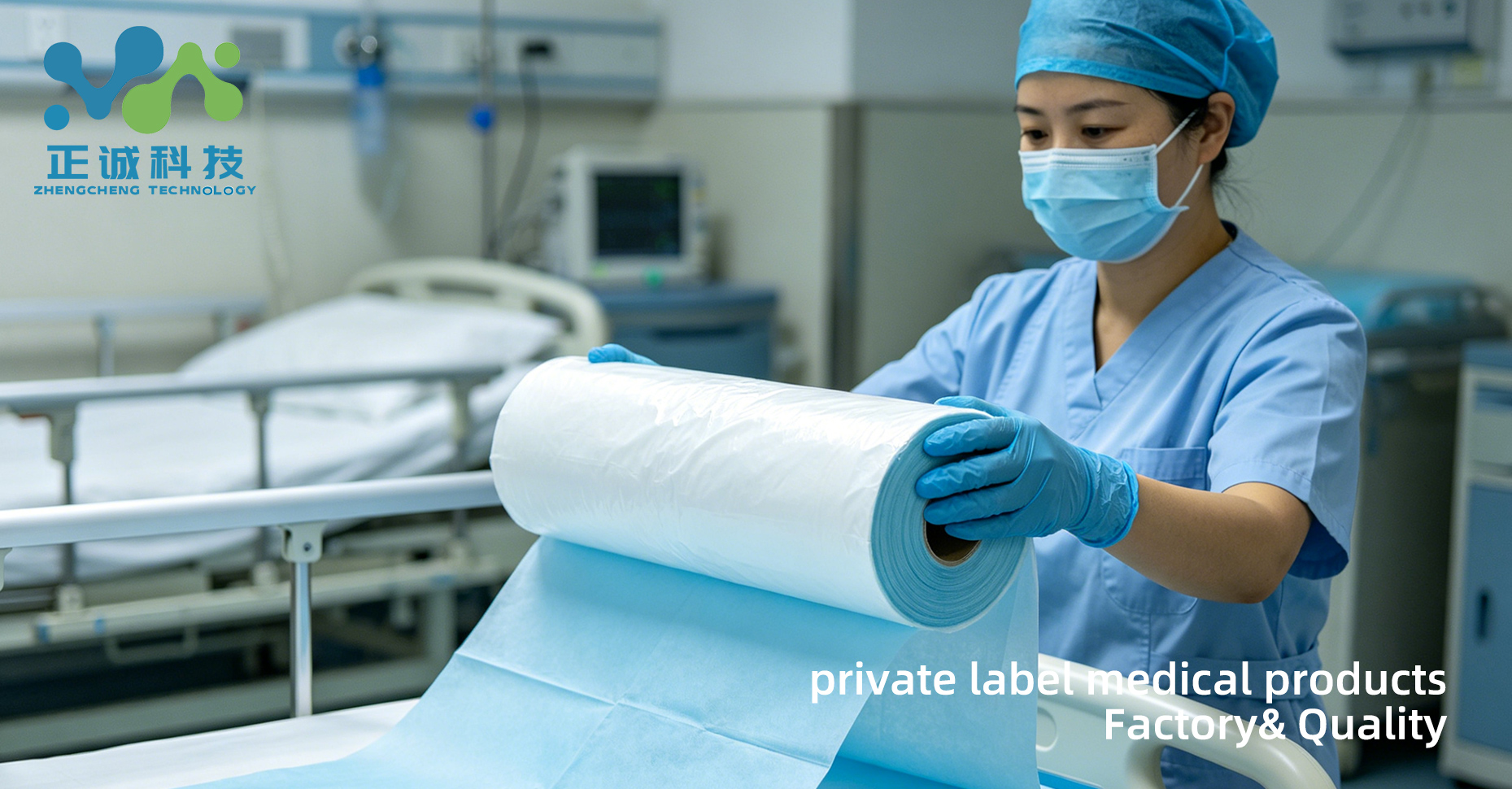
In healthcare settings, consistency isn't just a quality metric - it's a safety imperative. Medical rolls used in clinical environments must perform reliably every single time. Variations in thickness, absorbency, or barrier protection can compromise patient safety and treatment outcomes.
Precision Engineering: The Heart of Automation
Modern automatic production lines utilize sophisticated computer-controlled systems that eliminate the inherent variability of human operation. Here's how they achieve superior consistency:
1. Computer-Controlled Tension Systems
Unlike manual operators who may apply varying pressure, automated systems maintain exact tension levels throughout the production process. This ensures:
- Uniform winding tightness in every roll
- Consistent layer alignment to prevent telescoping
- Identical roll dimensions batch after batch
2. Real-Time Quality Monitoring
Advanced sensor technology integrated into the automatic production line continuously monitors:
- Material thickness and density
- Perforation accuracy
- Embossing pattern uniformity
- Edge smoothness and straightness
Any deviation from specifications triggers immediate corrective actions or halts the production line.
Eliminating Human Variability
Human operators, no matter how skilled, introduce natural variations due to:
- Fatigue and concentration fluctuations
- Differences in technique between operators
- Inconsistent manual adjustments
Automation removes these variables, providing:
3. Sterile Precision Handling
Robotic arms and automated conveyors handle materials with:
- Minimal contamination risk
- Consistent placement accuracy
- Identical pressure application
4. Perfect Repetition
Whether producing the first roll or the ten-thousandth, the automatic production line delivers:
- Identical perforation spacing and strength
- Uniform embossing depth and pattern
- Exact dimensional specifications
- Consistent material properties
Advanced Technologies Driving Consistency
Machine Vision Systems
High-resolution cameras coupled with AI algorithms inspect products at multiple stages:
- Surface defect detection (spots, tears, stains)
- Dimensional verification
- Pattern alignment confirmation
- Color consistency checking
Predictive Maintenance
Sensors monitor equipment health to:
- Prevent machine-induced variations
- Schedule maintenance before quality issues arise
- Ensure optimal operating conditions
Data-Driven Process Control
Real-time data collection allows for:
- Continuous process optimization
- Immediate adjustment to material variations
- Historical quality trend analysis
The Impact on Medical Roll Quality
The implementation of automatic production lines results in tangible quality improvements:
5. Reduced Defect Rates
Automated systems achieve defect rates measured in parts per million, far exceeding manual production capabilities.
6. Enhanced Product Reliability
Clinicians can trust that every roll will perform as expected, with:
- Consistent fluid absorption
- Reliable barrier protection
- Predictable tear strength
7. Improved Regulatory Compliance
Automated documentation and traceability features ensure:
- Complete production records
- Easy audit trails
- Consistent adherence to standards
Cost and Efficiency Benefits
While the primary focus is on product consistency, automation also delivers significant operational advantages:
8. Reduced Waste
Precise material usage and early defect detection minimize:
- Raw material waste
- Energy consumption
- Rework and scrap
9. Higher Throughput
Automated systems operate 24/7 with:
- Faster production speeds
- Minimal downtime
- Consistent output rates
The Future of Medical Manufacturing
As technology continues to evolve, we're seeing even more advanced automation features:
10. Artificial Intelligence Integration
AI systems learn from production data to:
- Predict potential quality issues
- Optimize process parameters
- Adapt to material variations
11. Internet of Things (IoT) Connectivity
Networked equipment enables:
- Remote monitoring and control
- Predictive quality analytics
- Supply chain integration
Conclusion: The Consistency Advantage
For medical facilities and distributors, sourcing products from manufacturers with advanced automatic production lines provides significant benefits:
Guaranteed Quality: Every product meets exact specifications
Enhanced Safety: Reduced risk of product failure in critical applications
Supply Chain Reliability: Consistent availability and performance
Cost Efficiency: Lower total cost of ownership through reduced waste
The investment in automation technology is an investment in patient safety, operational excellence, and long-term business success. As the medical industry continues to prioritize quality and reliability, automatic production lines will remain at the forefront of manufacturing innovation.
By choosing suppliers who leverage these advanced technologies, healthcare providers can ensure they're delivering the highest standard of care with products they can trust completely.
How We Pack Medical Rolls for Export: Safe & Secure
Raw Material Inspection Process Explained: The First Line of Defense