Healthcare Hygiene Trends After COVID: The New Normal
Introduction
The COVID-19 pandemic fundamentally changed how the world views hygiene, creating a paradigm shift in healthcare standards that continues to shape medical practices today. Even as we move further from the pandemic's peak, its impact remains deeply embedded in every aspect of healthcare delivery. Healthcare hygiene trends have evolved towards a "zero tolerance" approach to cross-contamination, making disposable products not just preferable but essential in modern medical facilities.
Key Post-Pandemic Shifts in Healthcare Hygiene
1. Universal Precautions as Standard Practice
One of the most significant changes is the widespread adoption of universal precautions - the assumption that every patient could potentially be a carrier of infectious pathogens. This fundamental shift in mindset has driven increased demand for single-use medical barriers across all healthcare settings.
- Examination table paper is now standard in clinics of all specialties
- Disposable patient gowns have replaced reusable garments in most facilities
- PE-coated underpads are essential for managing bodily fluids
2. Elevated Patient Expectations
Patients today are more educated and demanding than ever regarding cleanliness standards. The pandemic created a new baseline for what patients consider acceptable hygiene practices.
- Visible hygiene measures are now expected, not optional
- Clinics that reuse linens without proper sterilization protocols may be perceived as unsafe
- Disposable medical rolls provide a powerful visual cue of cleanliness
3. Enhanced Focus on Infection Control
The pandemic highlighted the critical importance of robust infection control protocols. Healthcare facilities are now implementing more stringent measures to prevent healthcare-associated infections (HAIs).
- Increased use of medical-grade disposable sheets in high-risk areas
- Implementation of contact precautions for all patients in some facilities
- Greater emphasis on environmental cleaning and surface disinfection
4. Supply Chain Resilience
The pandemic exposed vulnerabilities in global supply chains, particularly for essential medical supplies. This has led to a renewed focus on building resilient supply chains for critical disposable products.
- Diversification of suppliers to reduce dependency
- Strategic stockpiling of essential disposables
- Increased investment in domestic manufacturing capabilities
5. Technological Advancements in Disposable Products
The demand for higher quality disposable products has driven innovation in materials and manufacturing processes.
- Development of more absorbent and fluid-resistant materials
- Improved comfort and durability of disposable patient products
- Eco-friendly options that maintain high hygiene standards
The Role of Disposable Products in Modern Healthcare
Examination and Procedure Rooms
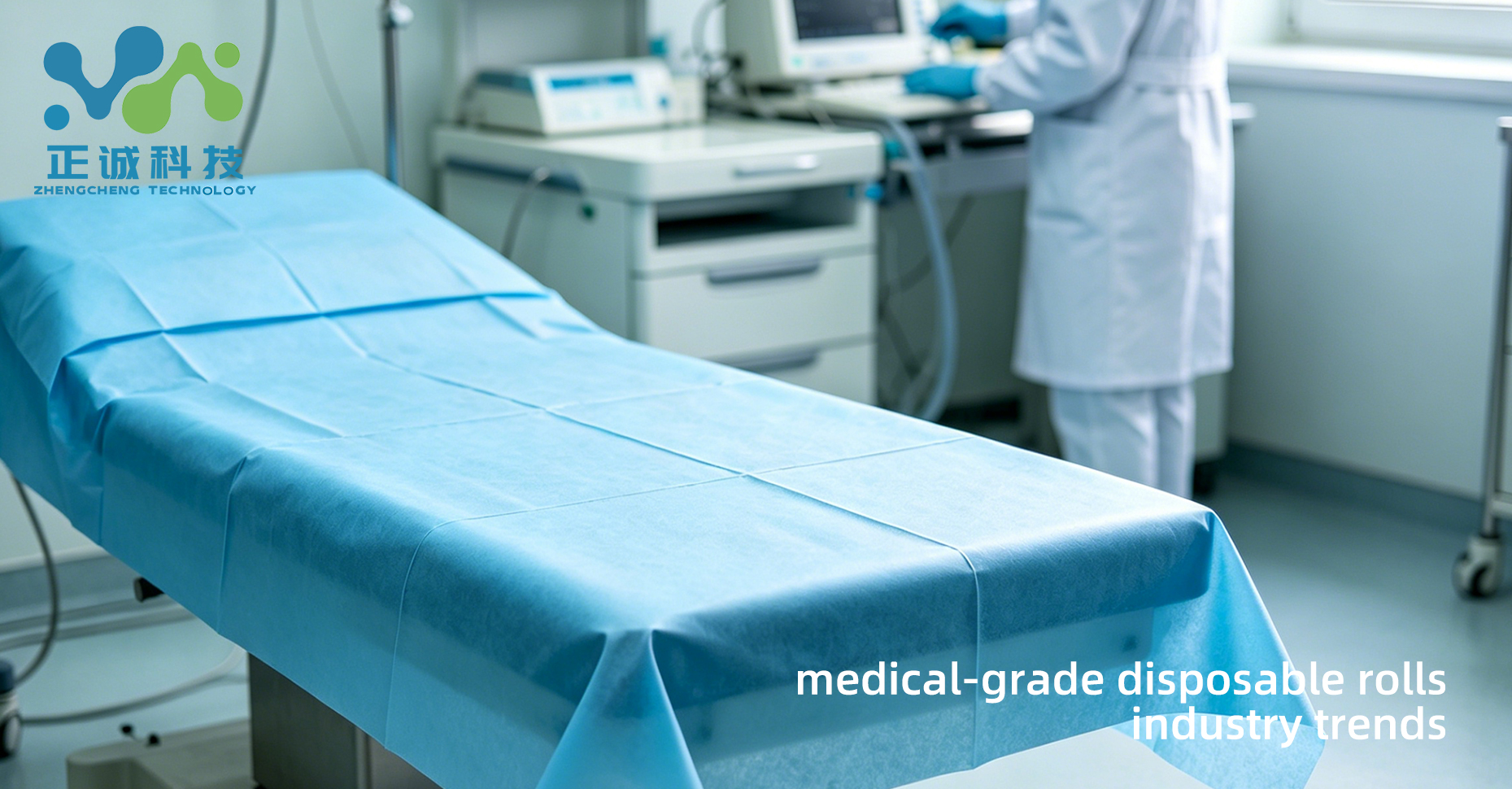
Medical examination table paper has become the gold standard in outpatient clinics, providing a cost-effective solution for maintaining sterile examination surfaces. The ability to quickly replace contaminated surfaces between patients significantly reduces the risk of pathogen transmission.
Surgical and Procedure Areas
In surgical settings, surgical drapes and gowns are essential for creating and maintaining sterile fields. These disposable products prevent bacteria from entering surgical wounds, protecting both patients and surgical teams.
Emergency Departments
Emergency rooms have always been high-risk environments for infection transmission. The pandemic has reinforced the need for highly absorbent disposable underpads and rapid surface turnover protocols to manage the influx of patients safely.
Long-Term Care Facilities
Nursing homes and long-term care facilities are implementing more rigorous hygiene protocols, including the increased use of disposable patient bedding to prevent outbreaks of infectious diseases among vulnerable populations.
Implementation Strategies for Healthcare Facilities
Staff Training and Education
Effective implementation of new hygiene standards requires comprehensive staff training. Healthcare workers need to understand the rationale behind increased use of disposable products and proper procedures for their use.
Cost-Benefit Analysis
While disposable products represent an ongoing cost, facilities must consider the long-term benefits:
- Reduced risk of HAIs and associated treatment costs
- Improved patient satisfaction and trust
- Enhanced reputation and competitive advantage
- Potential reduction in insurance premiums
Environmental Considerations
Healthcare facilities are balancing hygiene needs with environmental responsibilities by:
- Selecting products with sustainable materials when possible
- Implementing recycling programs for appropriate waste streams
- Choosing suppliers with environmentally responsible manufacturing practices
Conclusion
The healthcare hygiene trends born from the pandemic are not temporary measures but represent a permanent evolution in medical standards. Embracing disposable solutions is the most effective way to meet these new expectations and provide the highest level of care to patients.
As we move forward, the integration of advanced disposable products into everyday practice will continue to be a hallmark of quality healthcare delivery. Facilities that adapt to these new standards will not only protect their patients but also position themselves as leaders in patient safety and care quality.
The "new normal" in healthcare hygiene is here to stay, and disposable products are at the forefront of this transformation, ensuring safer environments for both patients and healthcare providers.
Eco-Friendly Disposable Products for Clinics: The Green Future
Disposable Rolls for Travel Clinics: Hygiene for Global Health